Replacing exterior building products is a common part of home renovation projects, particularly as houses age and materials begin to show signs of wear.
From roofing systems worn down by decades of sun and rain to trim pieces cracked by freeze-thaw cycles, the exterior of a house absorbs more punishment than almost any other part of the structure.
A renovation project rarely stays confined to one material either, since damage in one area can sometimes reveal problems hiding nearby.
Homeowners planning a remodel benefit from knowing which components commonly need replacing. This knowledge shapes budgets, timelines, and even the order in which work gets scheduled.
Below is a breakdown of the exterior products contractors commonly replace, along with the reasons those materials wear out faster than others.
Roofing Systems Take the Brunt of Weather Exposure
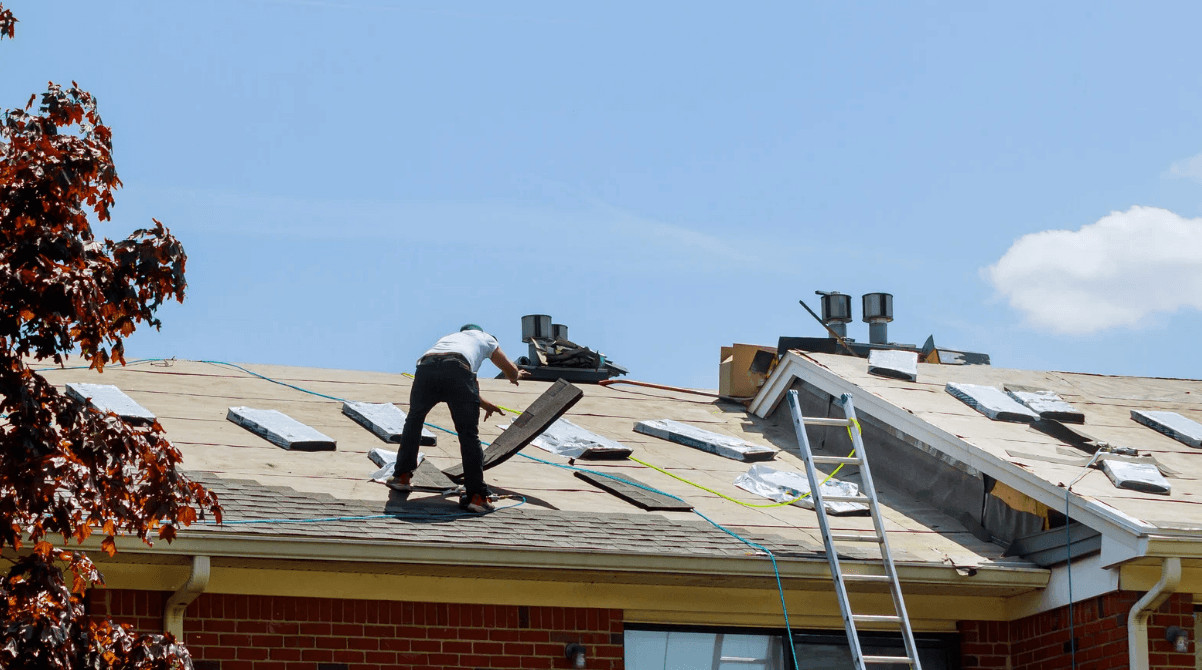
Few exterior components face the punishment that a roof endures. Sun, hail, wind, and standing moisture can shorten the working life of shingles and underlayment well before the rest of the house shows its age.
According to the National Association of Home Builders’ Study of Life Expectancy of Home Components, asphalt shingle roofing typically lasts between twenty and thirty years depending on material grade and climate exposure.
Granule loss, curling shingle edges, and dark streaking are some of the visual cues contractors check for, although not all indicate that replacement is necessary. These signs can point to an aging roof, but they don’t necessarily mean the decking underneath is damaged. A closer inspection can help determine whether repairs or a full replacement are needed.
Rolled roofing has become a practical option for low-slope sections, sheds, and porch overhangs where traditional shingles are not the right fit. Replacing a deteriorating roof before leaks reach the framing can help prevent more extensive repairs to the structure below it.
Entry Doors Show Wear at Every Touchpoint
Doors take a different kind of abuse than roofing. Instead of weather alone, they absorb daily mechanical stress from opening, closing, locking, and slamming, on top of sun exposure that fades finishes and warps panels.
Wood doors swell in humid months and shrink during dry spells, which can loosen hardware and create gaps around the frame. Steel and fiberglass units resist warping better but still suffer from rusted hinges, cracked weatherstripping, and failing seals over time.
Storm doors can experience additional wear in regions with harsh winters or coastal salt air, since the extra layer takes the first hit from wind-driven rain and debris. Contractors may need to replace storm door hardware and glass panels years before the primary entry door needs attention.
Replacing worn weatherstripping or upgrading a poorly sealed entry door can help reduce drafts and improve indoor comfort. However, the energy savings depend on the condition of the existing door and how well the replacement is installed.
Siding Absorbs Moisture and Impact Damage
Siding covers more surface area than any other exterior product, which means it faces a wide range of potential problems.
Cracked panels, faded color, and warped boards are the most visible signs, but moisture can also work its way behind the surface and damage sheathing or framing.
Vinyl siding has become a common replacement choice because it resists rot and insect damage far better than older wood-based options, though even vinyl panels can crack under repeated impact from hail or falling branches.
Homeowners in colder climates may also notice siding that buckles or warps over time. Buckling can result from improper installation, insufficient room for thermal expansion, or moisture problems behind the siding.
Identifying the cause before replacing damaged panels is important. If moisture has reached the wall sheathing, the repair may also need to address the underlying moisture barrier. Skipping that step can lead to the same problems returning.
Flashing Failures Cause the Most Hidden Damage
Flashing doesn’t always get attention until something goes wrong, yet it plays an important role in protecting a house from water intrusion.
Thin metal strips installed around chimneys, roof valleys, window openings, and wall intersections redirect water away from vulnerable seams.
When flashing rusts, separates, or was installed incorrectly the first time, water can find its way behind siding and under roofing, sometimes causing damage that remains unnoticed for months.
Contractors sometimes find failed flashing only after opening up a wall or roof section for an unrelated repair. Rust stains below a window, peeling paint near a roofline, or a musty smell in an upstairs closet can be warning signs of moisture intrusion, although they don’t always point to flashing as the cause.
Because flashing sits at the junction of two different materials, its replacement usually happens alongside roofing or siding work rather than as its own separate job.
Overlooking damaged flashing during a larger renovation can allow water intrusion to continue, even after the surrounding roofing or siding has been replaced.
Timing Replacement Around a Full Renovation
Coordinating these four categories during one renovation, instead of treating them as separate projects spread over several years, can reduce labor costs and disruption to the household when the work overlaps.
Removing siding to install new flashing, for example, is far more efficient when the crew is already on-site for a roofing job.
Doors and windows scheduled around the same timeline also allow contractors to match trim and finishes across the whole exterior rather than patching mismatched sections one at a time.
Climate plays a large part in how quickly these materials wear out, so a home in a humid coastal region may face different maintenance needs than one in a dry, temperate climate.
Regular inspection, at least once a year and after any major storm, can help catch early warning signs before small problems become expensive structural repairs.
Homeowners who track the age and condition of their roofing, doors, siding, and flashing gain a clearer picture of what to budget for and when, rather than reacting to emergency repairs after damage has already spread.
Planning Ahead Reduces Long-Term Costs
Addressing exterior wear before it leads to more extensive damage can help homeowners avoid unnecessary repair costs. Replacing a deteriorating roof before leaks reach the attic, for example, may prevent additional repairs to decking, insulation, and interior finishes. However, the decision should be based on the roof’s actual condition rather than its age alone.
The same logic applies across doors, siding, and flashing: catching wear early makes it easier to plan repairs and avoid unexpected problems.
Anyone weighing a renovation timeline should walk the exterior of the home each spring and fall, checking for the specific warning signs discussed above.
A short list of cracked panels, loose flashing, or a drafty door frame written down today can help homeowners prioritize maintenance and plan future renovations without waiting for an emergency.