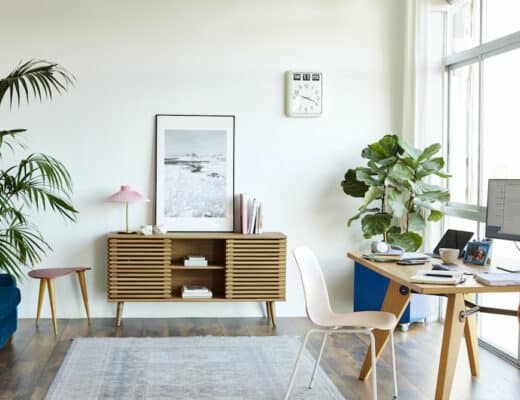
Moving into a new house doesn’t mean it immediately feels like yours. The walls may be a color you’d never choose, the lighting might feel too harsh, and your old furniture may not quite fit the new rooms. Fortunately, you don’t need a major renovation to make the place feel more comfortable. A few well-chosen updates can make a noticeable difference.
From repainting walls to improving lighting and updating window treatments, here are seven ways to make your new house feel more like home.
1. Start With a Fresh Coat of Paint
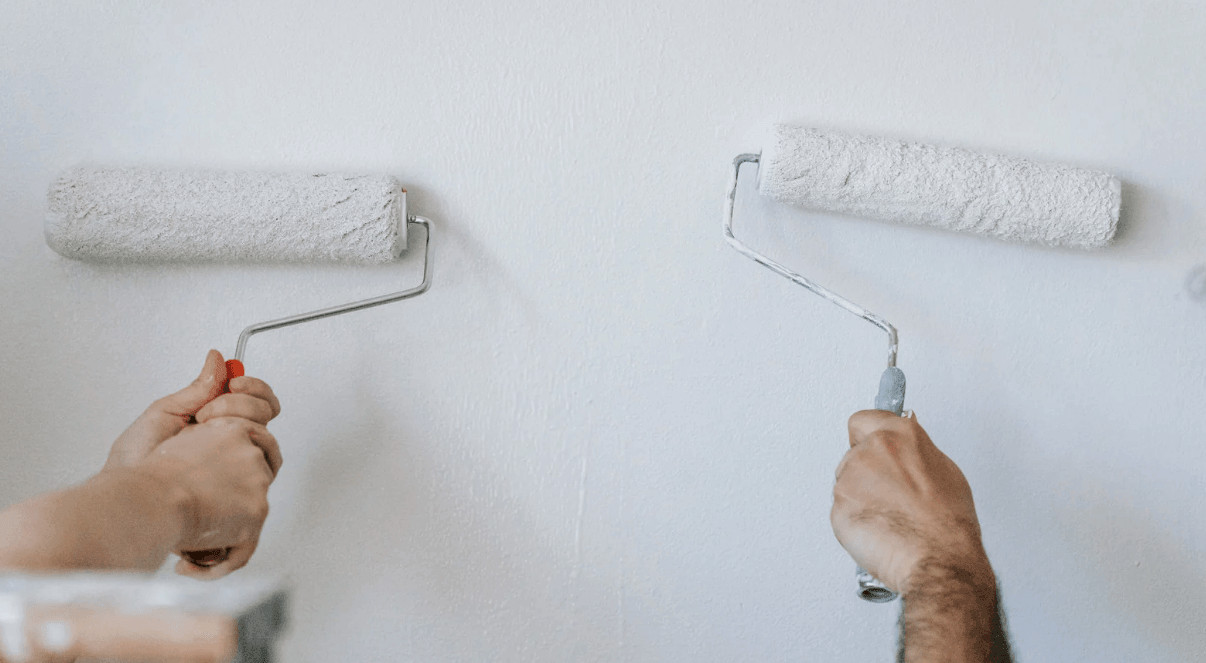
One of the easiest ways to personalize a new home is by repainting the walls. Whether you prefer neutral shades, soft pastels, or bold accent colors, a fresh coat of paint can change how a room looks and feels.
Painting can also conceal minor wall imperfections, brighten a room, and give older spaces a more updated appearance. While many homeowners can handle smaller painting projects themselves, rooms with high ceilings or walls that need extensive preparation may be better left to professionals.
If you’re hiring a painter, ask how they prepare surfaces, repair minor damage, and protect floors and furniture. These considerations apply wherever you live, whether you’re comparing local contractors in the US or researching Winnipeg house painting services in Canada.
Before choosing a color, test a few samples on the wall and look at them throughout the day. Natural light can make the same shade appear warmer or cooler depending on the room and time of day.
2. Give Your Windows an Elegant Finishing Touch
Window treatments do more than dress up a room. They control sunlight, provide privacy, and can make a space feel more finished. The right curtains, blinds, or shades can also complement your wall colors and furniture.
For example, light-colored curtains can make a room feel airy, while darker coverings add contrast and help reduce unwanted light. Blackout shades may work better in bedrooms, while light-filtering blinds can provide privacy without making a living room feel too dark.
Before buying anything, measure your windows carefully and decide how much light and privacy you need. If you’re considering custom window treatments, browsing options from companies such as Blind Ambitions can give you ideas for different styles and materials. Mounting curtain rods slightly above the window frame can also make ceilings appear taller.
Whatever you choose, aim for window treatments that work with your wall colors and furniture rather than competing with the other finishes.
3. Use Lighting to Make Every Room Feel Welcoming
Even a nicely decorated room can feel uncomfortable when the lighting isn’t right. A single overhead fixture may provide enough light to see, but it doesn’t always create the atmosphere you want.
Instead of relying on one ceiling light, try combining a few different sources. A floor lamp beside the sofa makes evening reading easier, while a table lamp can soften the lighting in a bedroom. Under-cabinet lights are another practical addition, especially in kitchens where countertops need better visibility.
You can also experiment with warmer bulbs in living rooms and bedrooms to create a more relaxed atmosphere. Brighter, task-focused lighting often works better in kitchens, home offices, and workspaces.
For a simple DIY update, consider replacing outdated lampshades or adding plug-in lighting before committing to new fixtures that require electrical work.
4. Choose Furniture That Fits Your Everyday Life
It’s tempting to fill every room as soon as you move in, but buying furniture too quickly can leave you with pieces that don’t quite fit the space.
Start by thinking about how you’ll actually use each room. A large sectional might work well in a family living room, but it could overwhelm a smaller space. Likewise, a compact dining table may be more practical than a full-size set if you rarely host large gatherings.
Measure the room before shopping, including doorways and the space needed to walk around furniture. Painter’s tape can help you mark out the dimensions of a sofa, dining table, or cabinet on the floor so you can see how much room it will occupy.
You don’t need to purchase everything at once. Start with the essentials and add pieces as you get a better feel for the house and your daily routines.
5. Upgrade Your Floors for Lasting Style and Comfort
Flooring has a big impact on how a home looks, but appearance shouldn’t be the only consideration. Think about how much foot traffic each room gets, how easy the material is to clean, and whether it can handle everyday wear.
Hardwood remains a popular choice for living areas and bedrooms, while laminate and luxury vinyl offer alternatives with different maintenance requirements. Tile works well in bathrooms, entryways, and kitchens where moisture and spills are more common.
Before replacing the floors, check what’s already there. Older hardwood may only need refinishing, while worn flooring in one room might be worth replacing without updating the entire house.
If you’re planning a DIY flooring project, make sure the subfloor is level, dry, and suitable for the material you’ve chosen. Uneven surfaces or moisture problems can cause trouble later, even when the new flooring looks good immediately after installation.
For a less expensive update, an area rug can add warmth and help define a seating area without changing the existing floor.
6. Add Personal Touches That Tell Your Story
A house starts to feel more familiar once you surround yourself with things that matter to you. Family photographs, artwork collected during travels, favorite books, and meaningful keepsakes can make a room feel more personal.
You don’t need to cover every wall or fill every shelf. Start with a few pieces you genuinely like and build around them.
A gallery wall of family photos can make a hallway more interesting, while a favorite piece of artwork may be enough to give a living room a focal point. Indoor plants, throw pillows, and rugs can also add color and texture without requiring permanent changes.
If you’re unsure where to begin, focus on the rooms where you spend the most time. You’ll get a better sense of what works once you’ve lived with the arrangement for a while.
7. Make Your Outdoor Space Just as Inviting
Your outdoor space doesn’t need to be large to be useful. Even a small patio, porch, or balcony can become a comfortable place to enjoy a morning coffee or spend time with family.
Start with practical additions such as outdoor seating and weather-resistant furniture. A few potted plants can soften a bare patio, while string lights or solar path lights can make the space more inviting in the evening.
If you have a backyard, think about how you want to use it before making major changes. You might prefer a small dining area for weekend meals, a shaded spot for reading, or an open section of lawn where children can play.
Simple DIY projects, such as repainting outdoor furniture, adding planters, or refreshing a garden bed, can make a noticeable difference without a large budget.
Choose materials that can handle your local weather, and remember that outdoor improvements need occasional maintenance to stay in good condition.
Turn Your New House Into a Place You Love
You don’t have to finish every room before your new house starts feeling like home. Start with the spaces you use most, whether that means repainting the living room, replacing outdated blinds, or adding better lighting to the kitchen.
Once you’ve lived in the house for a while, you’ll have a clearer idea of what else needs changing. Sometimes the smaller projects make the biggest difference.