Complex rooflines with valleys and skylights channel heavy rain into vulnerable seams. Learn how proper step-flashing and certified installation prevent leaks.
Homes with multiple gables, dormers, and skylights bring wonderful character to your street, yet those exact intersections concentrate rainwater runoff, and steep roof angles require extra flashing care to keep it out of your walls. When wind-driven storms hit your roof, water looks for the smallest gap around overlapping planes and wall joints.
Paying close attention to flashing details and hiring qualified roofers protects your home from hidden structural damage. You can keep your rooms dry and your framing solid by pairing smart maintenance habits with seasoned craftsmanship.
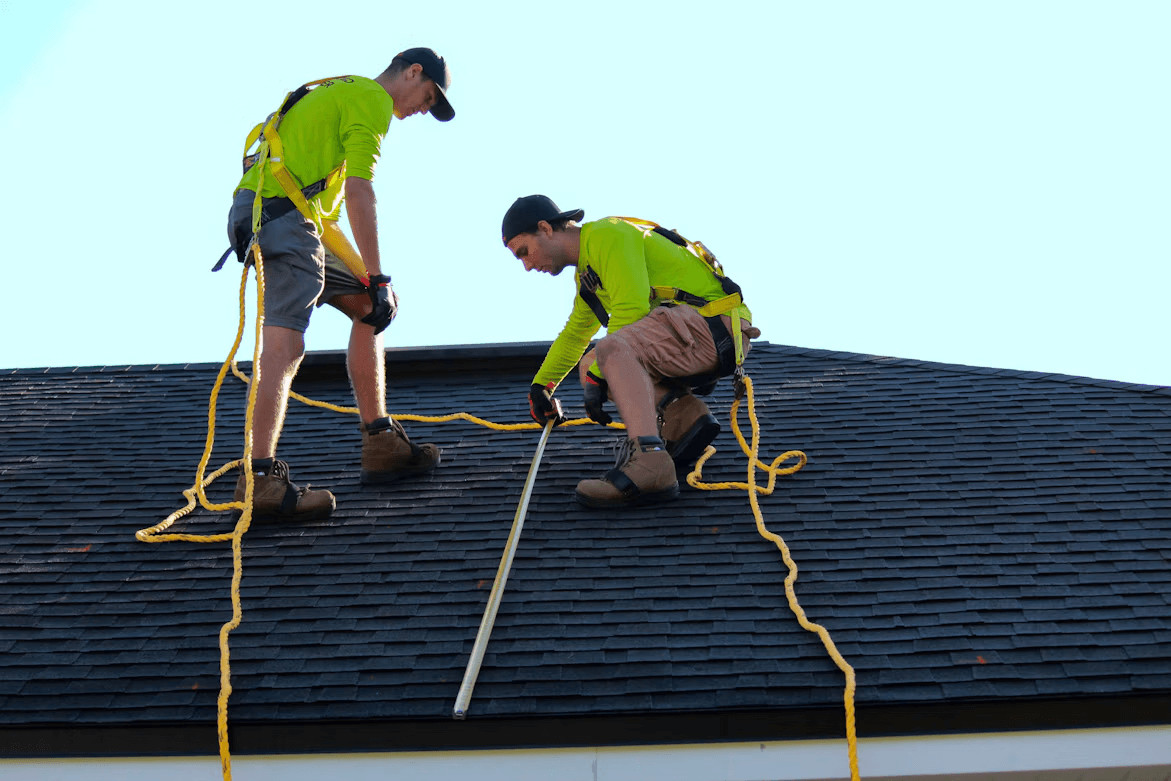
How Do You Spot Early Warning Signs Before Water Reaches Your Ceilings?
Small roof leaks rarely announce themselves with a bucket-sized drip right away. Working with local pros who specialize in roofing in Davidson, NC helps you catch subtle trouble spots early and handle storm restoration smoothly when severe weather strikes. A quick visual check from the ground and inside your attic often reveals clues weeks before drywall stains appear.
Shingles that curl at the edges or lose heavy amounts of granules signal aging or heat stress that weakens storm resistance. Moss buildup holds dampness right against the roof surface, slowing drying times after rain and lifting shingle edges. Inside the attic, dark streaks on rafters, damp insulation, or pinpricks of daylight around flashing mean moisture is already testing your roof system.
Tracking Subtle Shifts in Roof Decking
- Watch for dips: Scan roof planes from across the yard for soft sags or wavy lines that point to damp decking.
- Check attic beams: Shine a bright flashlight across roof sheathing and framing after rain to spot fresh darkening or water trails.
- Test insulation loft: Feel near eaves and dormers for matted, soggy insulation that loses its thermal value when wet.
How Does Poor Attic Ventilation Speed Up Shingle and Flashing Wear?
Trapped heat and damp air inside your attic bake roof shingles from below and cut years off their lifespan. Without balanced soffit and ridge vents, summer attic heat can pass 140 degrees and make shingle tabs brittle.
Winter moisture on cold wood decking causes the same rot around dormers and skylights as a slow roof leak. To see how the same moisture problem shows up in winter, read about hidden roof and attic leaks in cold weather.
Why Do Valleys, Chimneys, and Skylights on Steep Roofs Fail First in Wind-Driven Rain?

According to OSHA, as quoted by Roofers Coffee Shop, steep-slope roofs have slopes greater than 4/12, which works out to about 18.5 degrees or more. Pitches in that range shed water quickly, so the real risk sits at the valleys, dormer walls, and skylight curbs, where that fast-moving water meets a seam.
Water travels fast down steep pitches, and intersections slow that flow down just enough for wind to push rain upward. Research from Archway Home Repairs notes that valleys gather runoff from two roof planes simultaneously, creating far heavier water volume there than on a straight slope. Without tough underlayment and clean metal channels, heavy downpours overwhelm shingle overlaps.
Chimneys and dormers create sharp transitions where horizontal roof planes meet vertical walls. When wind drives rain sideways against brick or siding, water slips behind loose sealants or poorly lapped metal pieces. Skylight frames face a similar challenge because their curbs sit proud of the roof surface and catch debris that traps moisture. For a look at how valleys, dormers, and intersecting roof planes affect replacement costs, see this breakdown of complex roof geometry and higher estimates.
Where Step-Flashing and Metal Transitions Break Down
Step-flashing weaves small bent pieces of metal into each course of shingles along a vertical wall. According to GAF, step pieces used with 5-inch shingle exposure should measure at least 10 inches by 7 inches and bend at a 90-degree angle so 5 inches sit on the roof deck and 5 inches rise up the wall assembly. Short or crooked pieces leave gaps where rainwater sneaks under the shingles.
Checking Wall Joints and Skylight Curbs
- Inspect sealant lines: Look closely at counter-flashing and skylight frames for cracked caulk or gaps where wind can lift edges.
- Clear trapped debris: Sweep pine needles, leaves, and twigs out of valleys and away from skylight curbs before major storms arrive.
- Verify overlap direction: Check that upper metal pieces lap cleanly over lower ones so water sheds outward rather than backward.
What Underlayment and Flashing Materials Hold Up Best in Heavy Storms?
Standard felt paper tears easily under heavy foot traffic and leaves nail holes open when wind lifts a shingle edge. Self-sealing ice-and-water barrier sheets wrap tightly around roofing nails and line valleys, eaves, and skylight openings with a tight rubber seal. Pairing that barrier with heavy-gauge galvanized steel or aluminum flashing keeps wall joints dry for 30 years or more.
How Do Gutter Blockages Force Water Under Roof Edges and Fascia Boards?
Multiple roof valleys dump hundreds of gallons of rainwater into short runs of gutter during a single summer storm. When leaves or pine needles clog downspouts, backed-up water pools behind the metal drip edge and soaks into fascia boards and soffits. Cleaning gutters at least 2 times a year keeps runoff moving away from roof edges and protects lower walls.
What Makes Manufacturer-Certified Contractors Better for Warranties and Storm Claims?
Hiring a contractor certified by a major manufacturer gives you access to full system warranties rather than piecemeal coverage. Programs such as GAF Master Elite and CertainTeed Premier require strict training, proper licensing, and insurance before a roofer can offer enhanced non-prorated protection. When a severe storm damages complex valleys and flashing, that backing protects your wallet over the long haul.
Certified roofers also document roof conditions thoroughly before and after bad weather hits. Clear photos, measurements, and component specs make storm-claim conversations with your insurer far smoother and more accurate. You get clear answers on whether a targeted repair solves the problem or a full slope replacement makes more sense.
Evaluating Credentials and Storm Documentation
Questions to Ask Before Signing a Contract
- Ask about system warranties: Confirm whether the roofer can register a manufacturer-backed non-prorated warranty on your full roof system.
- Request photo documentation: Ask how the crew records flashing conditions, hail or wind impacts, and deck repairs for insurance files.
- Review workmanship terms: Check how long the contractor stands behind labor around valleys, chimneys, and dormers.
When Should You Schedule a Professional Roof Inspection After Severe Weather?
Scheduling a roof check after hail or wind gusts over 50 miles per hour catches granule loss and loose flashing before small gaps turn into $5,000 interior repairs. Spring and fall visits give roofers dry, mild weather to reseal exposed fasteners and clear debris from tight roof joints. Finding storm wear within a few weeks keeps warranty and insurance claim windows open.
Focusing on proper valley membranes, custom flashing, and verified contractor credentials gives your home lasting weather protection through rough seasons. When you stay ahead of small warning signs and choose skilled installers, complex rooflines stay an asset rather than a headache. A little care at every seam goes a long way toward keeping your home dry and comfortable year after year.