The color of shingles seems like a matter of style. The color of the shingles also determines how much heat from the sun is absorbed by the roof during the summer before it gets to the attic space. A charcoal-colored roof will be hot to the touch in the middle of July, while a light gray roof will be cooler.
Color sits right beside style when homeowners compare asphalt shingle roofing options, from basic 3-tab to thicker architectural lines. The right pick balances attic comfort with the look of the house from the curb.
Dark Shingles Absorb a Bigger Share of the Sun
All shingles send back some of the sunlight. The other light is converted to heat. There is a name for that reflected light – it is called solar reflectance and tells how much sunlight reflects from the surface.
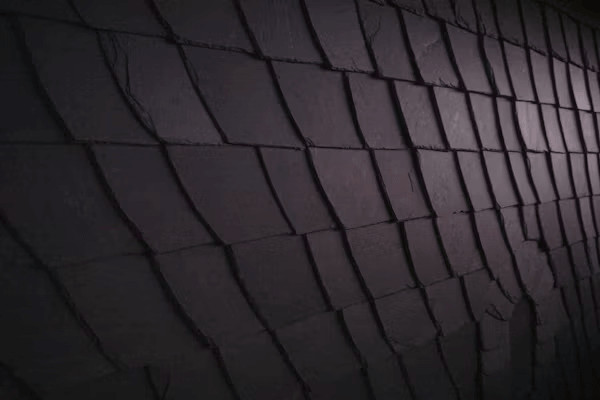
Very little light is reflected by dark or very dark brown shingles. Lighter colors – light gray, tan or white reflect more and help keep the deck of your roof cooler. There are also cool asphalt shingles, which are included in guidelines developed by the Department of Energy on cool roofs, using specially-coated granules to reflect more sunlight. Among such shingles are darker shingles.
Limits of Effect of Color Set by Attic Ventilation
Color makes the most difference during summer. A light roof reduces heat in an attic in a sunny afternoon, thus reducing work for air conditioners. In cold northern areas, the situation changes slightly because a reflective roof also helps to heat homes a bit in winter.
The process of ventilation accounts for most of the hard work regardless. The vents that take in air from the outside are located in the soffits, while the vents that allow the hot air to exit are placed near the ridge. The insulation that covers the attic floor is responsible for slowing down the heat.
Shingle Colors at a Glance
| Color Family | Heat Behavior | Curb Appeal Fit |
| Black or charcoal | Absorbs the most sun | Crisp contrast with white or light siding |
| Dark brown | High heat gain | Warm match for red brick or wood tones |
| Weathered wood blends | Moderate heat gain | Natural look with stone or earth-tone siding |
| Medium gray | Moderate heat gain | Neutral pairing with most siding colors |
| Light gray or tan | Lower heat gain | Soft look on cottages or ranch homes |
| Cool-rated dark shades | Reduced heat gain for the color | Deep tone with less summer heat |
Blended architectural shingles mix several shades in one bundle, which adds depth from the street.
Color Choices That Fit the House
The curb appeal begins with whatever is permanent on the house. As brick, stone, or vinyl siding does not change, the roof color needs to complement those permanent colors. The gray shades go well with cool colored siding, while browns complement warm bricks.
Darker stains become more visible on light roofs; thus, the majority of shingles come with algae-resistant granules. Restrictions on the colors may be imposed by the homeowners association, so checking the restrictions will prevent another decision later.
Signs Attic Heat Needs Attention
- The upstairs rooms remain several degrees warmer during summertime in the evenings.
- The AC works almost round the clock in the afternoon when the sun is shining bright.
- The shingles appear curled or blistered on the slopes getting the maximum sun exposure.
- The roof vents seem blocked or missing on the ridge.
- The attic seems extremely hot almost immediately upon entry.
- Just one single warm bedroom might require clearing up a vent.
What a Roofing Contractor Checks Before a Color Decision
The time to address attic heat is when the roof is being replaced because the deck will be open anyway. The contractor who is licensed will look at the existing venting, insulation depth, and moisture in the decking. Contractors who show homeowners the asphalt shingle roofing options can take physical samples for them to compare to the siding during the day. The brands of GAF or Malarkey offer a variety of shingles. That way, the homeowner will have no problem picking a color confidently, while the attic plans are done.
Will dark-colored shingles make the attic hot?
Dark-colored shingles absorb more sunlight, which means that attic temperatures will rise during summer. Good ventilation solves the problem.
Are there any cool asphalt shingles in dark colors?
There are some manufacturers who provide dark-colored shingles with reflective granules. Those shingles will reflect extra sunlight for their shade.
Does shingle color impact resale value?
A color that goes well with the house will definitely improve the curb appeal. Gray or weathered wood colors suit many houses.
Shingle color shapes how much heat reaches the attic as well as how the house looks from the street. The best step is to pair a color that suits the siding with a solid ventilation plan. That combination may help the upstairs stay comfortable while the home looks finished for years.