Keeping your home furnace in good shape might seem hard, but it can be simple with the right steps. Your furnace keeps your home warm during cold months, and regular maintenance can help you save money on energy bills and make your unit last longer. Knowing the basics of furnace care can prevent unexpected breakdowns and keep your family warm when it matters most.
Be proactive about furnace maintenance. With a few simple tasks, you can keep your furnace running all season smoothly. Here’s how to maintain your furnace effectively.
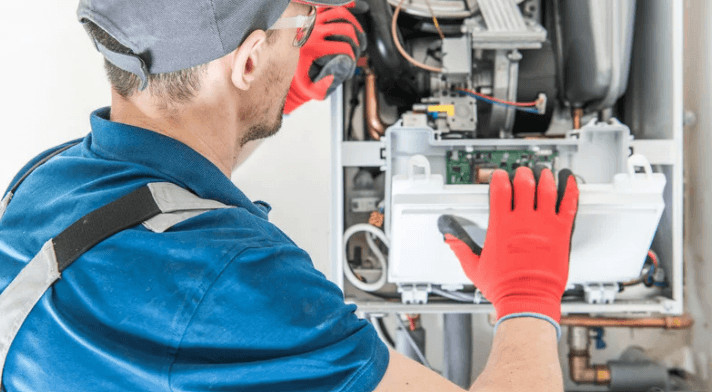
Change Filters Regularly
Changing your air filters is one of the easiest yet most important parts of furnace maintenance. Clean filters catch dust, dirt, and allergens, which keeps them from circulating in your home. A clean filter helps your furnace run more efficiently, improving air quality and lowering energy costs.
Check your filters every month and replace them at least every three months. If you have pets or a lot of dust, you might need to change them more often. When you replace the filter, pay attention to the airflow direction for proper installation. This small task can greatly improve your furnace’s performance.
Furnace Repair
Furnace problems are easier to deal with when you catch them early. Strange noises, uneven heating, frequent cycling, or an unexpected rise in energy use can all signal that the system needs attention. A qualified HVAC technician can identify the cause and determine whether a repair or a larger fix makes sense.
The basic approach applies wherever you live, but heating needs and service options vary by region. Homeowners in colder climates may rely on their furnaces more heavily and have different local service considerations. For example, someone researching furnace repair in Calgary will face a different winter climate than a homeowner in California or Texas. In either case, choosing a qualified local technician and addressing small problems early can help reduce the risk of a breakdown when the heating system is needed most.
Check Thermostat Settings
Your thermostat controls your heating system, so it’s crucial to keep it in good condition. Programmable thermostats allow you to control your heating schedule. You can lower the temperature when you are away or overnight to save on energy costs.
Take a few moments to check that your thermostat is working properly. If it’s not, consider replacing it with a newer model for better furnace performance. Many new models come with smart features that let you control them from your smartphone, adding convenience and making it easier to manage your heating.
Routine Inspections
Scheduling annual inspections with a licensed technician is a smart way to keep your furnace in good condition. A thorough inspection checks key parts like the heat exchanger, burners, and blower motor. Technicians can catch potential problems before they become major issues, saving you money on later repairs.
While professionals should handle these inspections, you can also watch for unusual sounds, smells, or changes in how your furnace works. If you notice anything odd, call a technician. Quick action helps keep your heating system safe and efficient.
Ventilation Considerations
Good ventilation helps your furnace work well by safely removing exhaust gases from your home. Blocked vents can waste energy and cause dangerous issues like carbon monoxide buildup. Check vent pipes and ducts regularly as part of your maintenance routine.
Make sure nothing blocks the outside vent. Keep the area clear of snow, leaves, or debris that could block airflow. If you see any problems with the venting system, talk to your technician during the annual inspection. They can offer advice and solutions for your situation.
Seasonal Preparation
As the seasons change, so do your furnace’s needs. Before winter arrives, prepare your system for cold weather. A pre-season check can include cleaning and inspecting key parts, making sure the thermostat works, and confirming that your furnace can handle the season.
If you use your furnace more than usual, watch for changes in performance during winter. Watch your energy bills for spikes that could signal a problem. Staying alert helps you catch issues early, keeping your home warm without high costs.
Maintaining your home furnace doesn’t have to be overwhelming. By following these simple strategies, you can improve your furnace’s performance and lifespan. Regular filter changes, careful thermostat settings, and expert inspections will help keep your home comfortable and safe. These easy steps build your confidence in managing your furnace so you can enjoy a warm and inviting home when you need it most.