A successful exterior paint project begins long before the first brush or roller touches the surface. Homeowners who take time to understand important details such as paint cure time can better plan their projects and avoid common setbacks, since reliable guidance explains how weather, temperature, and drying conditions affect long-lasting results. Investing extra effort in preparation helps ensure a smoother painting process, a more attractive finish, and better protection for the home over the years.
Skipping Proper Surface Preparation
One of the most common mistakes homeowners make is assuming that fresh paint can cover every flaw. Dirt, mildew, peeling paint, and loose debris prevent new coatings from bonding correctly, often causing premature peeling or blistering.
Cleaning exterior surfaces thoroughly before painting creates a stable foundation for the new finish. Washing away contaminants and removing damaged paint allows primer and paint to adhere evenly, resulting in a cleaner appearance and improved durability.
Surface repairs are equally important before any paint is applied. Small cracks, damaged siding, or deteriorated caulking may seem minor at first, but they can allow moisture to enter the structure and shorten the life of the finished paint job.
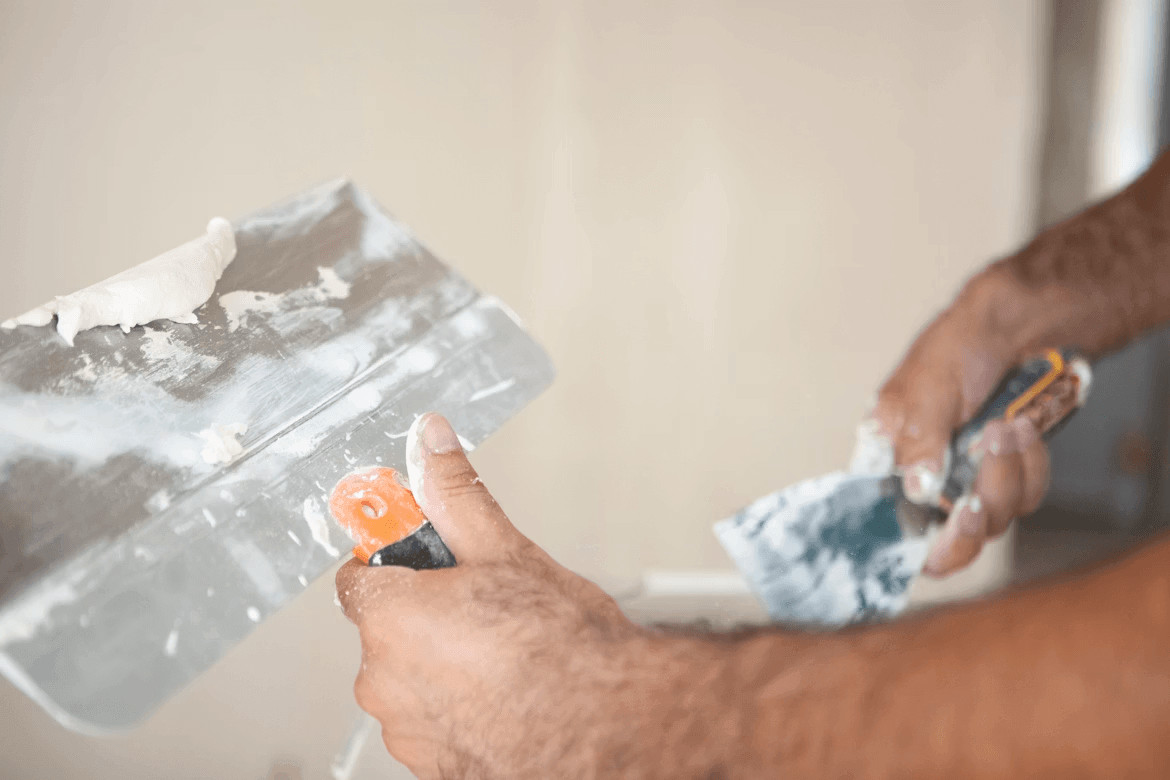
Addressing these issues beforehand creates a smoother surface while protecting the home from future weather-related damage. A little extra preparation often saves homeowners from much larger repair costs later.
Ignoring Weather Conditions
Weather has a significant impact on every stage of exterior painting. Temperature, humidity, sunlight, and wind all influence how paint dries and cures after application.
Many homeowners focus only on choosing a sunny day without considering overnight temperatures or changing weather forecasts. Unexpected rain or excessive humidity can interfere with proper drying and reduce the quality of the final finish.
Painting during unsuitable weather may also cause uneven color, visible lap marks, or reduced adhesion. These problems are often difficult to correct without additional sanding and repainting.
Planning around favorable weather conditions gives each coat the opportunity to perform as intended. Taking the forecast seriously is one of the simplest ways to achieve professional-looking results.
Choosing the Wrong Products
Not every paint is designed for every surface or climate. Selecting products based only on price or color can lead to disappointing performance if the coating is not suitable for the material being painted.
Different exterior materials require different formulations to provide proper adhesion, flexibility, and moisture resistance. Reading manufacturer recommendations helps homeowners choose products that match the specific needs of their project.
Primer selection is another area that is often overlooked. Some surfaces require specialized primers to seal porous materials, cover stains, or improve adhesion before the finish coat is applied.
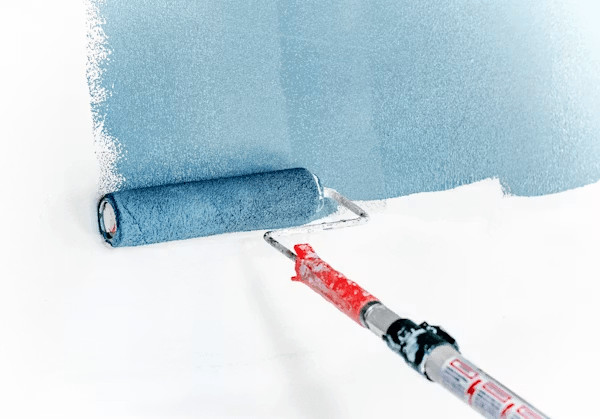
Using compatible primers and paints creates a stronger protective system rather than relying on the finish coat alone. The right combination contributes to longer-lasting color and better resistance to weather exposure.
Rushing the Painting Process
Many homeowners try to complete an exterior painting project as quickly as possible. Unfortunately, rushing often leads to skipped steps that reduce the overall quality and lifespan of the finished work.
Applying additional coats before previous layers have adequately dried can trap moisture beneath the surface. This may cause blistering, peeling, or uneven textures that become visible after the paint has fully cured.
Patience also matters when masking windows, protecting landscaping, and allowing repaired areas to dry completely. Taking shortcuts during preparation usually creates more work after the project is finished.
Following recommended drying intervals between coats allows the paint system to develop properly. Careful timing contributes to a stronger, more attractive finish that withstands changing outdoor conditions.
Underestimating Long-Term Maintenance
Painting is not a one-time task that guarantees permanent protection. Even high-quality coatings benefit from regular inspections and routine maintenance throughout the year.
Checking for cracked caulk, damaged trim, or early signs of peeling allows homeowners to address small problems before they become major repairs. Preventive maintenance extends the life of the paint while protecting the underlying building materials.
Keeping gutters clean and directing water away from exterior walls also helps preserve painted surfaces. Moisture is one of the most common causes of premature paint failure, making drainage an important part of overall home maintenance.
A well-maintained exterior continues to perform better and maintain its appearance for many years. Consistent care protects both the investment in the paint job and the value of the property.
Conclusion
A successful home exterior paint project depends far more on preparation than many homeowners realize. Proper cleaning, thoughtful product selection, careful attention to weather conditions, and patience throughout the process all contribute to a finish that looks better and lasts longer. By avoiding these common mistakes before the first coat is applied, homeowners can achieve professional-quality results while protecting their homes from the elements for years to come.