Core aeration vs liquid aeration is the first concept homeowners need to understand. They are essential for clay soil maintenance. If you live in North Texas, you are likely dealing with clay soil.
Looking for lawn aeration services? Contact CitiTurf, North Dallas, TX, for quick, effective local solutions.
What Is Core Aeration and How Does It Work
Core aeration is considered a mechanical process. It requires the physical removal of small plugs of soil from your lawns. It directly addresses the soil compaction issue by removing a chunk of it.
How it works
A machine will pull out soil cores. It can go as deep as 3 inches. It will physically remove the soil for air penetration. Nutrients can get to the roots more easily as well. After the treatment, you will see soil plugs across your lawn. They are temporary but very beneficial.
Key benefits
It offers instant relief from soil compaction. You will notice improved drainage and better root growth. It enhances fertilizer effectiveness as well.
What Is Liquid Aeration and How It Works
Liquid aeration is very different from traditional aeration methods. It involves using a spray solution on the target area. The solution often includes surfactants or organic compounds.
How it works
The spray solution will break the surface tension in the soil, creating gaps and cracks for air penetration. It creates microscopic channels to facilitate overall health. It is important to note that liquid aeration does not provide instant results. You will see gradual improvements.
Key benefits
The main liquid aeration benefits include the ease of application and minimal disruption to the lawn. There are no visible holes that disrupt plant placements.
Core Aeration vs. Liquid Aeration: Direct Comparison for Clay Soil
Here is a core aeration vs liquid aeration comparison. Keep in mind these key differences when making your decisions.
Speed
Core aeration delivers immediate improvement. For liquid aeration, the results may take weeks to surface.
Effectiveness
For highly compacted soil, core aeration tends to be more effective. It involves physically removing the soil, which gives instant relief. Liquid aeration is usually cheaper and more effective for less-dense soil.
Popularity
They are both popular treatments that are used in different situations. Homeowners with a serious soil compaction issue will have to go for the core aeration method. On the other hand, liquid aeration is good for regular maintenance and smaller issues.
What Actually Works Best for North Dallas Clay Soil
North Dallas presents a unique challenge for clay soil. Its hot climate makes soil compaction problems common and severe. In this situation, the clear winter is core aeration.
Winner: core aeration
Core aeration breaks up dense clay layers immediately. You don’t have to wait around to see the results. It improves the oxygen flow to solve drainage issues. It is the most effective strategy for Texas homes.
Alternative: liquid aeration
It does not target severe issues. You should only use liquid aeration for light maintenance and water penetration enhancement. It does not effectively solve any issues you have. It is not a full replacement for proper aeration techniques. It should be supplementary or optional at best.
Best Timing and Frequency for Aeration in North Dallas
Timing matters a lot. You should aim to aerate your lawn at least annually. For heavily compacted soil, aerating twice a year may be necessary.
The best seasons for aeration are:
- Spring
You can make space for the grass to prepare for the searing summer heat. The grass needs enough nutrients and water. When the heat comes, cracked soil can make the work more difficult. - Early fall
It promotes recovery and root growth after a hot summer. It helps fertilizers reach the grass roots.
Signs Your Lawn Needs Aeration in North Dallas
If you notice these signs, you need to aerate your lawn. And sometimes, DIY methods aren’t that effective. Choosing professional lawn aeration services can be much more budget-friendly and efficient.
Serious drainage problems
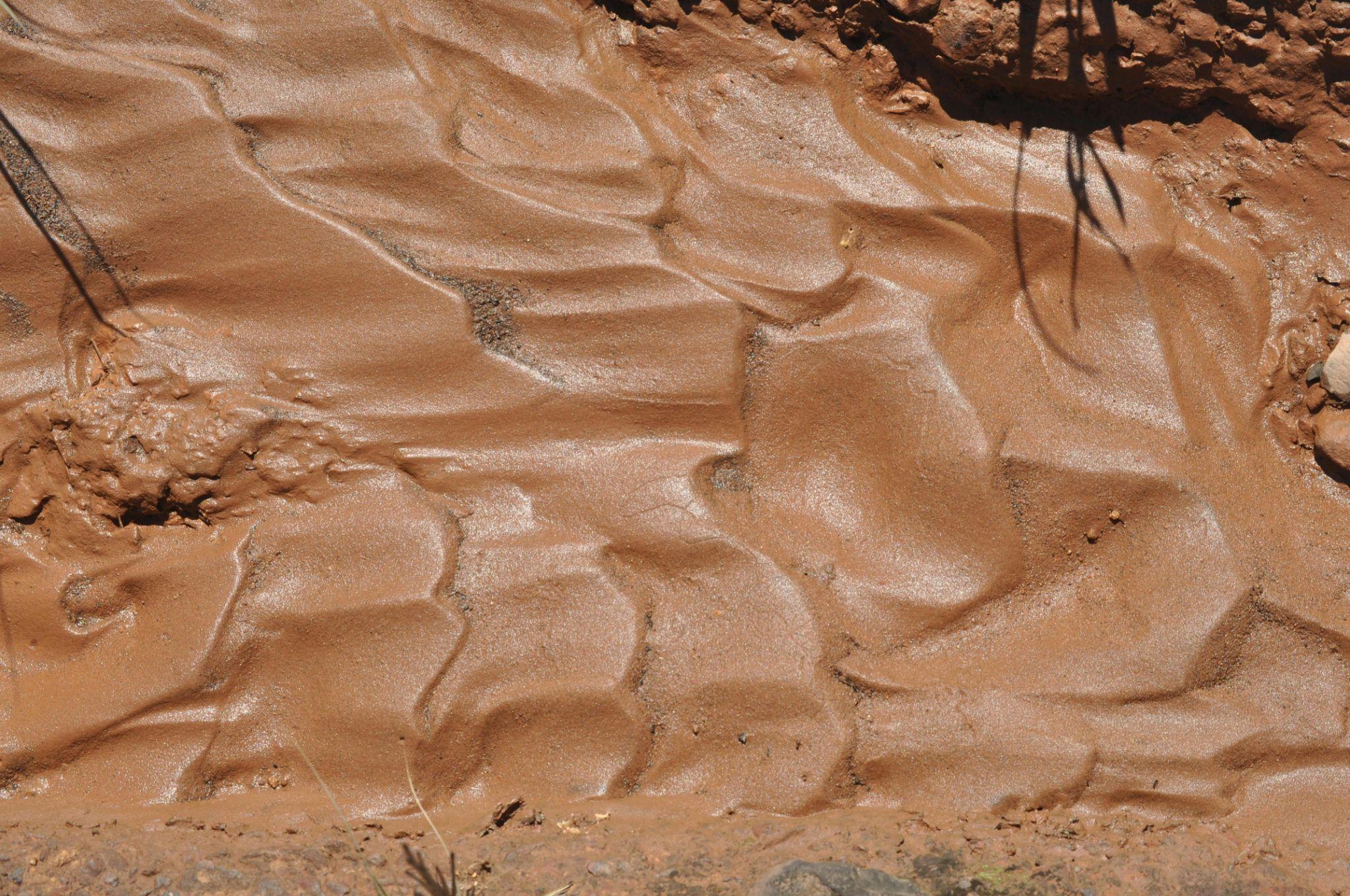
There is water above the soil after heavy rain. The water is not leaving through the soil at all. It can cause flooding to your property.
Yellowing grass
Patchy yellowing grass suggests weakened health. You should get a licensed expert for a thorough examination.
Heavy foot traffic
Constant foot traffic can compact the soil further. It makes the recovery process slow and challenging. Cordon off the problematic areas so they can recover without further damage.
In conclusion
Core aeration should be your go-to strategy to ensure a fully aerated, healthy lawn. Liquid aeration can be a helpful, affordable solution for milder problems. If you are in doubt, look for local lawn aeration services to choose the best approach.