Every homeowner who enjoys a good DIY project eventually hits the same crossroads: can I actually handle this myself, or is it time to bring in a professional? Getting that call right matters more than it might seem.
Take on too much, and you risk turning a manageable project into a costly mistake; hand off something you could’ve done yourself, and you’re paying more than necessary. Knowing where that line sits, and having a plan for when it’s time to call a pro, makes for smarter, less stressful home projects overall.
What Usually Belongs in the DIY Column
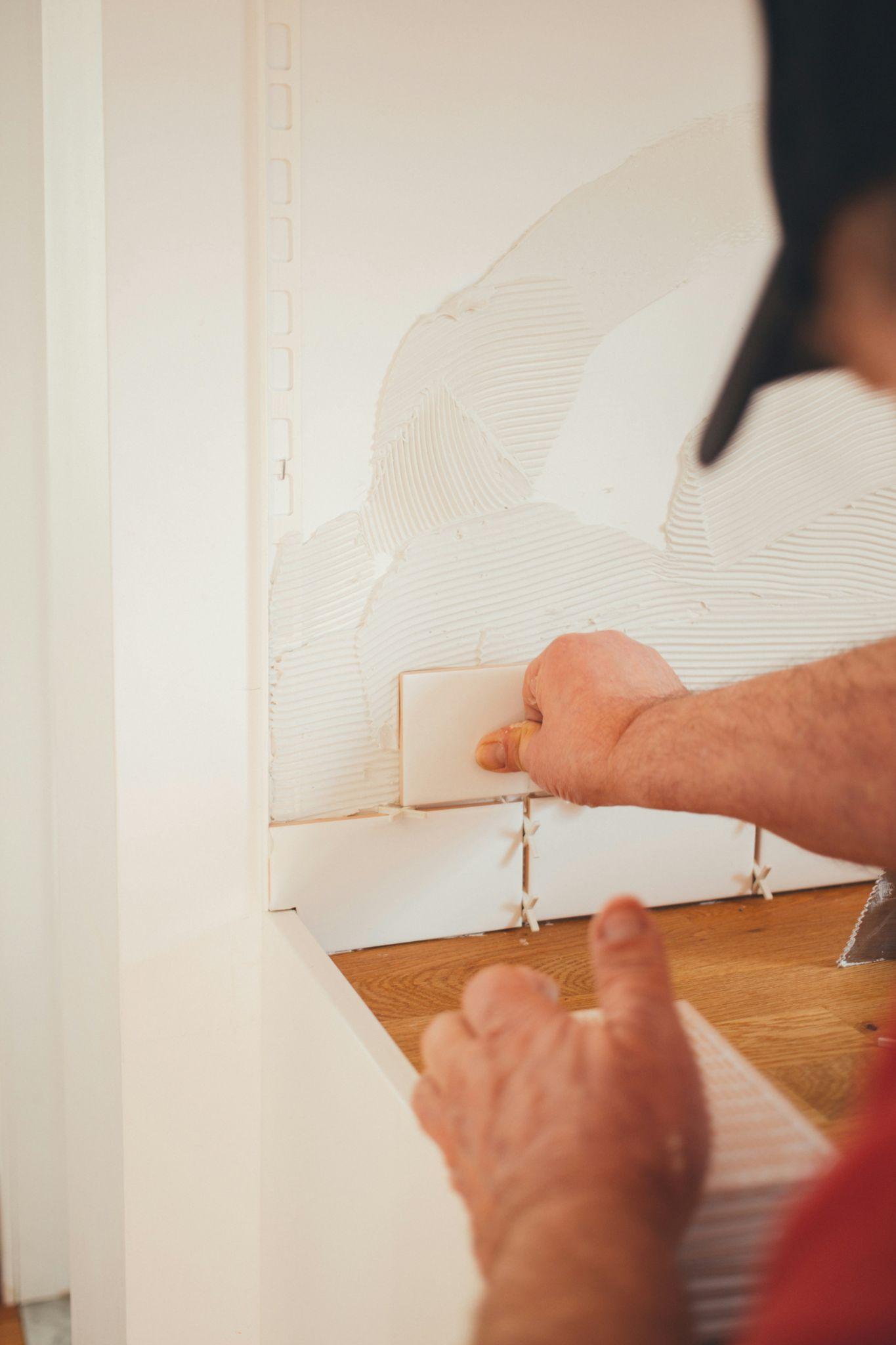
Plenty of home improvement projects are genuinely well-suited to a motivated DIYer: painting, landscaping refreshes, basic fixture upgrades, small repairs, and most cosmetic outdoor living projects fall into this category. These jobs typically have forgiving margins for error, don’t require specialized licensing, and a mistake usually costs time rather than serious money or safety risk. If you enjoy the process and have reasonable patience for research and trial runs, these are excellent places to build skills and save on labor costs.
What these projects share is reversibility. A paint color you end up hating is a weekend and a second gallon. A shelf hung slightly crooked can come down. Nothing behind a wall is affected, no permit is involved, and no future buyer’s inspector is going to flag it. That’s the practical test for the DIY column: if the worst realistic outcome is doing it again, the risk is mostly your own time.
The Projects That Could Go Either Way
Between the clear DIY jobs and the clear professional ones sits a large middle: tile work, flooring installation, drywall repair, deck refinishing, swapping a faucet or toilet, building a fence. These are learnable, and plenty of homeowners do them well. They’re also where most DIY projects go sideways, because the skill required is higher than it looks and the mistakes are more visible and harder to undo than a coat of paint.
The honest question with middle-ground projects usually isn’t whether you can do it. It’s whether you can afford the timeline if it goes badly. A bathroom floor you’re retiling is a bathroom that’s out of service, and if week one turns into week four, that’s a real cost to the household even if it never shows up on a receipt. First-timers are often better off starting with these in a low-stakes room rather than the one everyone uses.
Where It’s Usually Time to Call a Professional
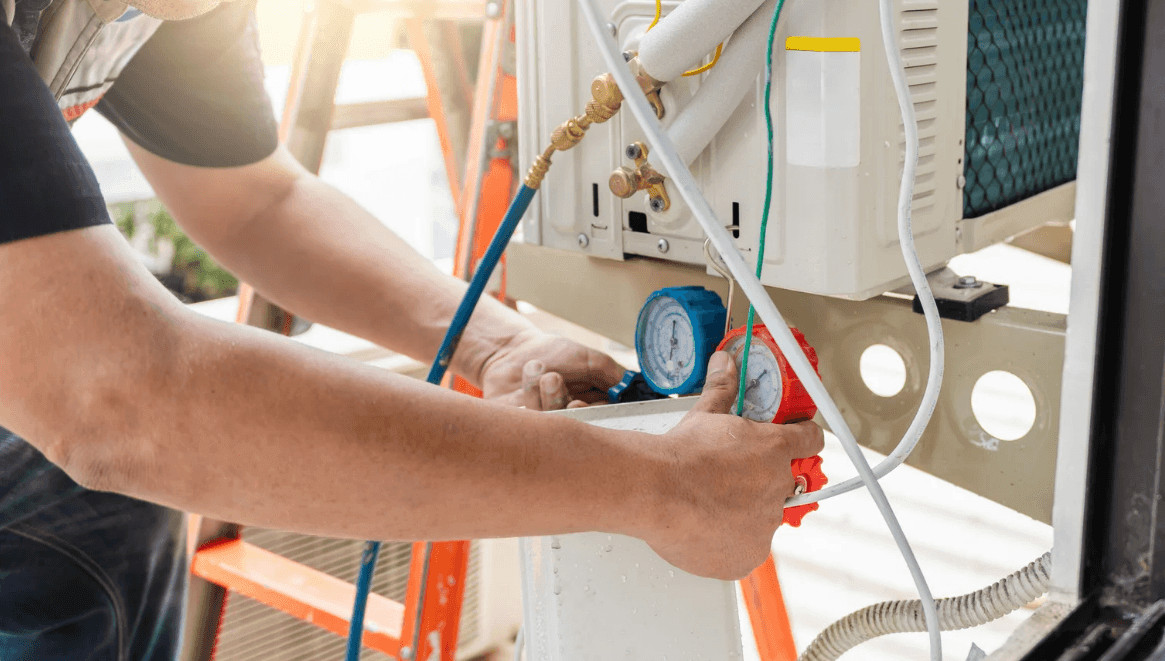
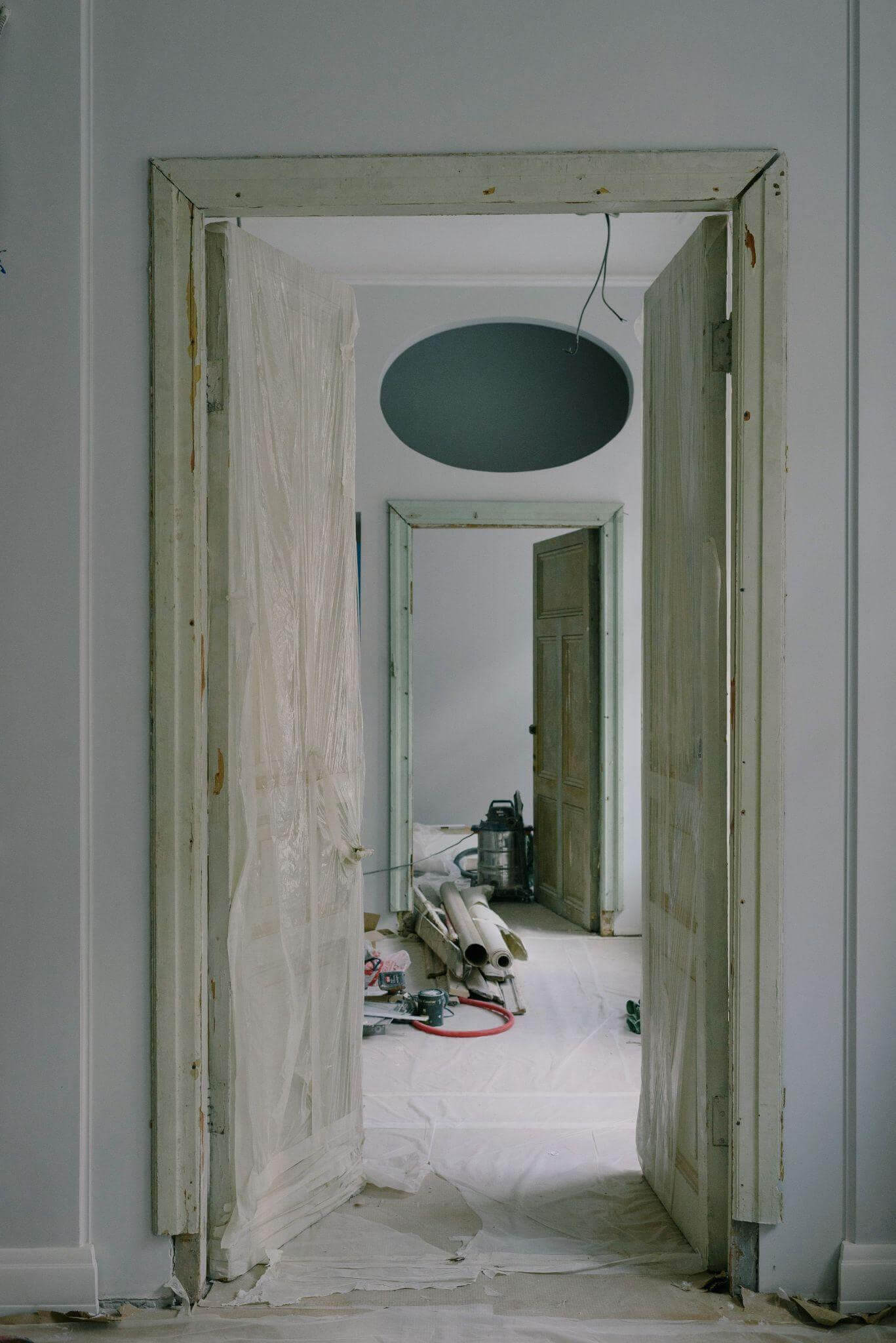
The calculation changes with projects tied to a home’s major systems or structural integrity: roofing, HVAC, electrical work, window replacement, and significant remodeling like bathroom renovations. These jobs typically require permits, carry real safety risk if done incorrectly, and mistakes can be expensive to reverse or, worse, invisible until they cause damage down the line. A poorly installed roof or a DIY HVAC job gone wrong isn’t just a redo. It can mean water damage, energy inefficiency, or safety hazards that cost far more than hiring it out correctly the first time would have.
There are also consequences that have nothing to do with whether the work turns out well. Unpermitted work can complicate a sale, since it often has to be disclosed and can give a buyer leverage or stall a closing outright. DIY installation can void a manufacturer’s warranty on equipment like furnaces and water heaters. And if something fails and causes damage, an insurer may look closely at who did the work. None of that shows up while the project is going well, which is exactly what makes it easy to overlook.
Four Questions Worth Asking Before You Decide
Rather than memorizing a list of projects, most homeowners do better with a few consistent questions:
Does it require a permit? If yes, that’s usually a signal the work carries enough risk that a jurisdiction wants it inspected. It doesn’t automatically mean hire out, but it raises the bar considerably.
What happens if it fails at 2 a.m.? Some failures are inconvenient. Others flood a basement or take out heat in January. The severity of the failure mode matters more than the difficulty of the install.
Is it hidden once finished? Work that ends up behind drywall, under flooring, or on a roof is work nobody inspects again for years. Mistakes there compound quietly.
What’s your time actually worth? A job that takes a pro one day might take you three weekends. That trade is sometimes worth it and sometimes clearly isn’t, but it should be a deliberate calculation, not an afterthought.
Making the Hand-Off Easier
Once a project crosses into “call a professional” territory, the next challenge is finding the right one at a fair price. This is where a lot of homeowners lose the DIY-adjacent savings they were hoping to keep by accepting the first quote they get without comparison. A resource like Trusted Home Quotes makes that step easier, letting homeowners compare free quotes from vetted local contractors for roofing, HVAC, windows, gutters, remodeling, and other major projects, so the decision to hire out doesn’t mean losing all the cost-consciousness that made DIY appealing in the first place.
It also helps to compare quotes on more than the bottom-line number. Two estimates for the same roof can differ by thousands because one includes tear-off, disposal, and underlayment while the other doesn’t. Ask what’s included, what the warranty covers, and who handles permits, and the cheapest quote sometimes turns out not to be the cheapest job.
The Real Skill Is Knowing the Difference
The homeowners who get the most value out of a mixed DIY-and-pro approach aren’t the ones who do everything themselves or hire out everything without a second thought. They’re the ones who’ve learned to sort projects accurately by risk and complexity, save their own labor for the jobs suited to it, and compare their options carefully whenever a project genuinely calls for a professional.
That sorting ability improves with experience, and it tends to move in both directions. Homeowners who take on a few projects usually discover some jobs are more approachable than expected, and others deserve far more respect than they assumed. That balance is really what makes a home improvement strategy sustainable over the long run, both for the house and the budget.