Most people don’t spend much time looking at the outside of their own home. You see it every day, which means you stop really seeing it. Something fades or chips or starts to look a little dated, and for a while it registers, then it doesn’t. Life moves on, and the front of the house just sits there.
Changes tend to happen the same way. Not all at once, not from a plan. Someone fixes a broken shingle and realizes the whole roof looks tired. A front door gets repainted and suddenly the trim looks worse by comparison. It builds slowly, one thing pointing to another.
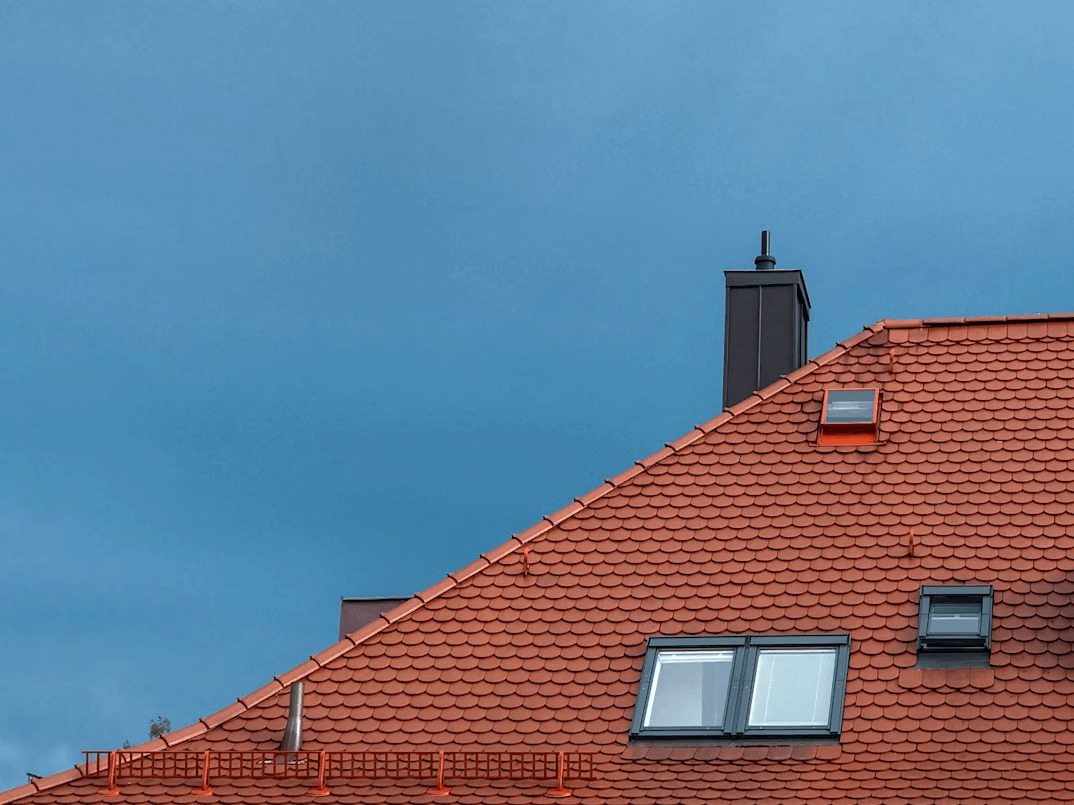
Upgrading Your Roof for Style and Function
The roof is one of those parts of a house that fades into the background until it doesn’t.
Usually, it takes something small to bring it back into focus. A leak that wasn’t there before. A section that looks uneven from a distance. Even just the way it starts to age compared to the rest of the house. That’s when people start looking into repairs with a professional roofing company. All you need to do for that is look up roofers near me and you will easily find trusted professionals in your area who can help you with whatever upgrades or repairs you need to get done on your roof.
What’s easy to overlook is how much of an impact it has once it’s done. Even without touching anything else, the house can feel more put together. Not in a dramatic way, but in a way that’s noticeable over time. Newer materials and color options help with that, making it easier to choose something that fits without standing out too much.
Clean Lines and Simple Design Choices
A lot of homes are shedding detail that was never doing much work. Extra trim, layered molding, decorative features that peel and warp and need repainting every couple of years. At some point the upkeep starts to outweigh whatever they were adding visually.
What’s left tends to look cleaner and sit better. Straight lines, smoother finishes, less for the eye to catch on unnecessarily. It’s not about chasing a particular style. It’s more about removing things that stopped making sense.
Outdoor Lighting That Feels Natural
Outdoor lighting is easy to get wrong and easy to overlook. Most homes either have too much of the wrong kind or not quite enough in the right places. A harsh floodlight over the garage, a dark stretch along the path, a front door that disappears after sunset.
When it’s done well, it doesn’t draw much attention to itself. A soft light near the entry, something low along a walkway, a fixture or two under the roofline. The house feels more settled at night, more complete. It’s a small thing that changes more than it seems like it should.
Mixing Materials Without Overthinking It
Some of the most interesting homes from the street are that way almost by accident. Something got repaired in stone. A section was clad in wood at some point. A wall got rendered while the rest stayed brick. Even a custom deck can introduce a different material or texture that gradually becomes part of the home’s character. None of it was planned as a design statement, but over time it gave the house some depth.
That’s usually the better approach. A deliberate material mix can look forced if it’s trying too hard. When it develops naturally, or when a small intentional change is introduced without overloading the rest, it tends to work better. Enough contrast to add interest, not so much that it becomes the only thing you notice.
Garage Doors Becoming Part of the Design
On most houses, the garage door takes up more of the front elevation than anything else. It’s also the part that tends to get chosen last and updated least. An outdated door in a faded finish pulls down the look of everything around it, even when the rest of the house is in decent shape.
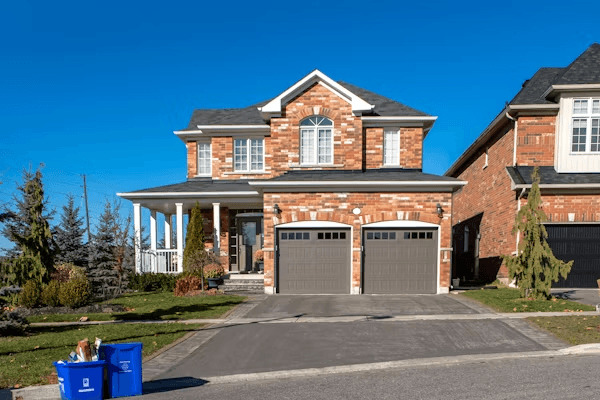
Newer designs sit more naturally within the facade. Cleaner profiles, better finishes, colors that actually relate to the rest of the house rather than just defaulting to whatever was standard at the time. It’s not a complicated upgrade, but it tends to make a visible difference.
Landscaping That Grows with Time
Front gardens rarely get overhauled. They shift. A plant gets replaced, a bed gets tidied, something that was dying finally gets removed and something better goes in. Over a few years, those small changes add up and start to shape how the whole property reads from the street.
There’s also been a move away from high-maintenance layouts that look good in spring and become a project by midsummer. Simpler planting, tougher species, less that needs constant attention. The result tends to stay neater across the year without requiring much effort to keep it that way.
Energy-Efficient Features That Blend In
Energy upgrades don’t always start as an aesthetic decision. Usually it’s the bills, or a system that’s reaching the end of its life, or a renovation that opens up the opportunity. Solar panels, better insulation, improved glazing.
What’s changed is how these things look once they’re in place. They integrate more naturally than they used to. Panels sit lower and closer to the roof. Windows match the existing frames without standing out. The house doesn’t end up looking like it’s been retrofitted. It just looks like itself, slightly updated.
Smart Features That Stay in the Background
Cameras, smart locks, video doorbells — these have become common enough that most people don’t notice them anymore, which is roughly the point. Early versions were bulky and obvious. Newer ones are smaller, better finished, and easier to position without them dominating whatever wall or frame they’re mounted on.
When they’re placed well, they don’t interrupt the look of the house. They’re just there, doing what they’re supposed to do without asking for attention.
The outside of a home changes the way most things do — gradually, through small decisions that don’t feel significant on their own. A repair leads to an upgrade. An upgrade makes something else look out of place. That thing gets addressed, and slowly the house starts to look more like it was thought about.
No single trend shapes that. It’s more about the accumulation of choices that fit the house rather than fighting against it.