Hidden HVAC problems can leave a home with a perfectly functioning heating and cooling system still struggling to maintain comfortable temperatures throughout the year. The living room might feel pleasant while an upstairs bedroom remains uncomfortably warm. A basement could stay cold even when the thermostat indicates that the house has reached its target temperature.
These differences are common in both older properties and relatively new homes. While homeowners often assume their heating or cooling equipment is responsible, the actual problem may involve airflow restrictions, insulation gaps, poorly positioned thermostats, or overlooked design limitations.
Understanding what causes uneven indoor temperatures can help homeowners make better decisions about repairs, maintenance, and future upgrades. In many cases, improving comfort requires looking beyond the equipment itself and considering how the entire home manages heat and airflow.
1. Poor Airflow Can Leave Certain Rooms Behind
One of the most common causes of uneven temperatures is inadequate airflow. Central heating and cooling systems depend on properly distributed air to maintain comfortable conditions throughout a building.
When airflow becomes restricted, some rooms receive less conditioned air than others. A bedroom at the end of a long duct run might remain noticeably warmer or colder than spaces closer to the equipment.
Several factors can interfere with airflow, including dirty filters, blocked registers, damaged ducts, and poorly balanced distribution systems. Furniture positioned over floor vents can also prevent conditioned air from circulating effectively.
Homeowners should begin by checking that supply registers are open and unobstructed. Replacing a dirty air filter according to the manufacturer’s recommendations may also help restore normal circulation.
However, persistent airflow problems often require professional assessment. Simply opening every register or increasing fan speed will not necessarily correct an improperly designed distribution system.
2. Thermostat Placement Can Misrepresent Indoor Comfort
A thermostat measures temperature at its installed location, not throughout the entire house. This limitation can create problems when the surrounding area does not accurately represent conditions in other rooms.
For example, a thermostat installed near a sunny window may detect additional warmth during the afternoon. As a result, the cooling system could operate longer than necessary, leaving shaded rooms uncomfortably cold.
The opposite can happen when a thermostat is positioned near a drafty doorway or exterior wall. It may register a lower temperature than the rest of the home, causing unnecessary heating.
Heat-producing appliances, nearby vents, and direct sunlight can also influence temperature readings.
A thermostat should generally be positioned on an interior wall, away from direct sunlight, drafts, and major heat sources. Homeowners experiencing inconsistent temperatures may benefit from having its location evaluated.
Modern controls with compatible remote temperature sensors can sometimes improve comfort by considering readings from multiple areas rather than relying on one location.
3. Insulation Gaps Create Temperature Differences
Even a properly sized heating and cooling system can struggle when certain rooms lose or gain heat faster than others.
Insulation helps slow heat transfer through walls, ceilings, and floors. When insulation coverage is inconsistent, some spaces become more vulnerable to outdoor temperature changes.
An upstairs bedroom beneath a poorly insulated attic may become excessively warm during summer. During winter, a room above an unheated garage might remain cold despite adequate airflow.
Insulation problems are not always obvious. Small gaps around attic hatches, recessed fixtures, and wall penetrations can contribute to uncomfortable conditions.
Homeowners should also consider air leakage. Conditioned indoor air escaping through openings can make temperature regulation more difficult, while outdoor air entering the building can create localized drafts.
Professional energy assessments, including appropriate thermal imaging and air-leakage testing, can help identify areas requiring improvement.
Addressing these weaknesses may improve comfort without increasing heating or cooling capacity.
4. Hidden Ductwork Problems Often Go Unnoticed
Air ducts are responsible for delivering conditioned air throughout many residential buildings. Unfortunately, they are frequently concealed behind walls, ceilings, or floors, making problems difficult to detect.
Leaks, disconnected sections, crushed flexible ducts, and inadequate insulation can significantly affect performance.
A leaking supply duct may release heated or cooled air into an attic, crawl space, or other unfinished area instead of delivering it to the intended room. This wastes energy and reduces the amount of conditioned air reaching occupied spaces.
Poor duct design can create similar problems. Long duct runs, excessive bends, and undersized passages increase resistance to airflow.
Some homeowners attempt to compensate by closing vents in comfortable rooms to force more air toward uncomfortable areas. However, excessive register closure can increase static pressure and interfere with system performance.
A qualified HVAC technician can measure airflow, inspect duct connections, and determine whether repairs or balancing adjustments are needed. Correcting distribution problems is often more effective than replacing equipment that is otherwise operating properly.
A gradual rise in energy bills, with no change in weather or household habits, is another sign that something is wrong out of sight. Duct leaks, restricted airflow, and a system that runs longer to make up the difference can all increase consumption while comfort stays the same or gets worse. Comparing monthly bills with the same period in previous years can help show whether the increase is unusual.
5. Upstairs Rooms Naturally Experience Different Conditions
Multi-storey homes frequently experience temperature differences between floors.
Warm air tends to rise through the building, while cooler air may settle in lower areas. This movement, combined with differences in solar exposure and insulation, can make upper floors difficult to cool during summer.
Bedrooms near the roof are particularly vulnerable because attic heat can transfer through ceilings when insulation or ventilation is inadequate.
Meanwhile, lower-level rooms often remain cooler because they receive less direct sunlight and may be partially surrounded by earth.
A single thermostat controlling the entire house cannot always respond effectively to these different conditions.
Homeowners may benefit from improved attic insulation, air sealing, balanced airflow, or professionally designed zoning solutions.
The most appropriate approach depends on the building’s layout, existing HVAC equipment, and the severity of the temperature differences.
6. Oversized Heating and Cooling Equipment Can Reduce Comfort
It might seem reasonable to assume that larger heating and cooling equipment will provide better comfort. In reality, equipment that is too large for a home’s needs can create additional problems.
Oversized systems may reach the thermostat’s target temperature quickly and shut off before air has circulated evenly throughout the building.
This repeated starting and stopping, known as short cycling, can contribute to inconsistent temperatures and unnecessary equipment wear.
During cooling season, short operating cycles may also reduce moisture removal, leaving indoor air feeling humid even when the temperature appears acceptable.
Undersized equipment presents a different challenge. It may operate for extended periods without maintaining the desired temperature during extreme outdoor conditions.
Correct equipment sizing requires more than considering floor area. A proper load calculation accounts for insulation, windows, air leakage, orientation, occupancy, and other building characteristics.
When replacing HVAC equipment, homeowners should ask whether a room-by-room heating and cooling load assessment has been completed.
Selecting appropriate equipment is an important part of achieving consistent comfort.
7. Windows Can Create Unexpected Hot and Cold Spots
Windows influence indoor comfort in ways that extend beyond their visible appearance.
Large windows exposed to direct sunlight can introduce substantial heat during warmer months. Rooms with extensive glazing may become uncomfortable even when neighbouring spaces remain cool.
During colder weather, poorly insulated windows can create cold surfaces that make occupants feel chilly despite an acceptable air temperature.
Air leakage around window frames can further contribute to drafts and uneven conditions.
Window orientation, glazing type, shading, and installation quality all influence how much heat enters or escapes a room.
Homeowners can sometimes improve comfort through appropriate window coverings, exterior shading, weatherstripping, or targeted sealing work.
In more severe cases, upgrading inefficient windows may be worth considering alongside other building improvements.
Before making expensive changes, however, it is important to determine whether the discomfort comes from solar heat gain, air leakage, inadequate insulation, or another issue.
8. Some Homes Need More Flexible Temperature Control
Traditional central systems distribute conditioned air through connected ductwork. This arrangement works well in many homes, but certain layouts make uniform temperature control difficult.
Room additions, converted attics, finished basements, and spaces located far from the main equipment may have heating and cooling requirements that differ from the rest of the building.
Extending existing ducts is not always practical, especially when structural limitations restrict available space.
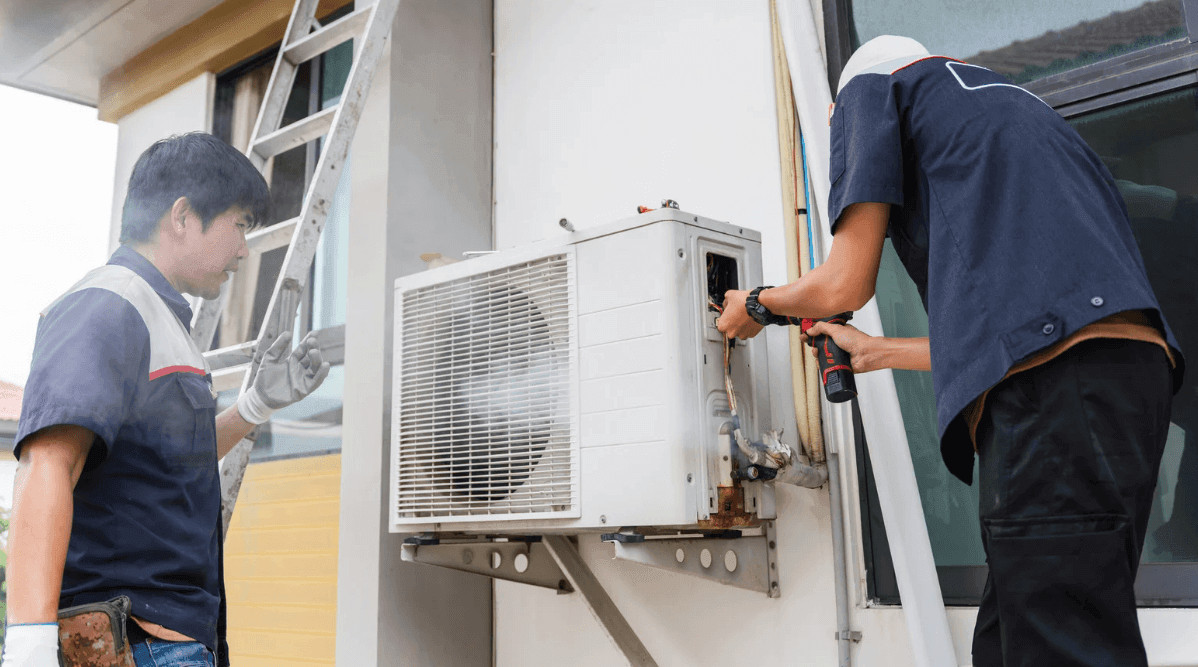
In these situations, ductless heating and cooling systems can provide an alternative approach. These systems typically use individual indoor units connected to outdoor equipment, allowing conditioned air to be delivered directly to selected spaces without conventional duct runs.
Depending on the equipment configuration, separate zones can be controlled according to their individual comfort requirements.
This flexibility can be useful when one area consistently experiences different conditions from the rest of the home.
However, ductless equipment is not automatically the correct solution for every uneven-temperature problem. Proper sizing, indoor unit placement, condensate drainage, and installation quality remain essential.
Homeowners should first determine whether existing airflow, insulation, or ductwork problems can be corrected before investing in additional equipment.
9. Humidity Can Make Comfortable Temperatures Feel Uncomfortable
Temperature is only one part of indoor comfort. Humidity also influences how warm or cool a room feels.
During humid weather, excess moisture can make indoor air feel sticky and uncomfortable. Even when a thermostat displays a reasonable temperature, occupants may feel warmer because perspiration evaporates less effectively.
During colder months, excessively dry air can cause discomfort, including dry skin and irritation.
Humidity levels may vary throughout a home due to ventilation differences, moisture sources, and air circulation patterns.
Bathrooms, kitchens, laundry areas, and basements can introduce additional moisture when ventilation is inadequate.
Homeowners should investigate persistent condensation, musty odours, or unusually humid rooms rather than simply lowering the thermostat setting.
A hygrometer can provide useful information about indoor relative humidity. Depending on the findings, improvements may involve ventilation, moisture control, air sealing, or adjustments to cooling equipment.
Maintaining appropriate moisture levels helps create a more comfortable indoor environment.
10. Return Air Problems Can Disrupt Circulation
Supply vents deliver conditioned air into rooms, but return air pathways are equally important.
In a typical forced-air system, air must circulate back toward the heating or cooling equipment. When return pathways are inadequate, airflow can become restricted.
This problem may become particularly noticeable in bedrooms with closed doors.
If a room receives supply air but lacks a suitable return path, pressure differences can interfere with circulation and reduce comfort.
Some homes include dedicated return registers in multiple rooms. Others rely on transfer grilles, door undercuts, or other approved air pathways.
Improving return airflow requires understanding the entire system rather than making isolated changes.
Homeowners should avoid cutting openings into doors or modifying ventilation pathways without considering building requirements, fire safety, and system design.
An HVAC professional can assess pressure differences and recommend appropriate adjustments.
Balanced supply and return airflow can improve temperature distribution while supporting efficient equipment operation.
11. Room Additions Can Overload Existing Systems
Adding usable living space changes a home’s heating and cooling requirements.
A finished basement, enclosed porch, converted garage, or new bedroom may increase the amount of conditioned space without corresponding improvements to HVAC capacity or distribution.
Homeowners sometimes assume that extending an existing duct will provide sufficient heating and cooling. However, the original system may not have been designed to serve the additional area.
New spaces can also have different insulation levels, window exposure, and occupancy patterns.
For example, a converted garage may have different heat-loss characteristics from the main building. Similarly, an enclosed sunroom with extensive glazing may experience significant temperature fluctuations.
Before connecting a new space to an existing system, homeowners should evaluate its heating and cooling loads.
Depending on the findings, solutions may include insulation improvements, duct modifications, equipment adjustments, or a separate temperature-control system.
Planning these details during renovation is generally easier than correcting comfort problems after construction is complete.
12. Maintenance Issues Can Gradually Reduce Performance
Heating and cooling performance can deteriorate gradually when routine maintenance is neglected. Dirty filters, obstructed coils, malfunctioning fans, and control problems may reduce the system’s ability to distribute conditioned air effectively.
Because these changes often occur slowly, homeowners may not immediately recognize the connection between maintenance and uneven temperatures. One room might begin taking longer to warm up, while another becomes increasingly uncomfortable during hot weather.
Routine maintenance helps identify developing issues before they become more serious. Homeowners can perform basic tasks such as keeping accessible registers unobstructed, replacing filters as recommended, and maintaining clear space around outdoor equipment.
More technical work, including refrigerant-related service, electrical testing, and internal equipment inspections, should be handled by qualified professionals. It is also important to recognize that maintenance cannot correct every comfort problem. Equipment servicing may restore normal performance, but deficiencies involving duct design or building insulation require different solutions.
Unusual sounds and smells are among the easiest signs to dismiss. Rattling, squealing, or banging from the equipment or ductwork can point to loose components, worn motors, or airflow obstructions, while musty or burning odours may indicate moisture, dust buildup, or electrical overheating.
When a noise appears alongside a room that has stopped heating or cooling properly, mention both to a technician, since they may share one cause. A burning smell should be treated as urgent: switch the system off and call a qualified professional.
13. How Homeowners Can Find Hidden HVAC Problems
When one or more rooms remain uncomfortable, replacing the heating and cooling system should not be the automatic first step. A structured investigation can help narrow down the underlying cause.
Start by observing when temperature differences occur. A room that becomes warm only during sunny afternoons may have a solar heat-gain problem, while a bedroom that stays uncomfortable throughout the day may have inadequate airflow.
Next, check accessible supply and return registers for obstructions. Review filter condition and make sure windows and exterior doors are properly closed. It can also help to record temperature readings in several rooms at similar times over multiple days. These observations may reveal patterns related to weather, sunlight, occupancy, or equipment operation.
If discomfort continues, a professional assessment may include airflow measurements, duct inspections, temperature comparisons, equipment diagnostics, and building-envelope evaluation.
The goal should be to identify the actual restriction or imbalance rather than treating symptoms with unnecessary equipment changes.
14. Improving Comfort Often Requires Several Small Changes
There is rarely one universal solution to uneven indoor temperatures.
In some homes, improving insulation and sealing air leaks can make a noticeable difference. In others, correcting damaged ductwork or balancing airflow may be the most effective approach.
Certain buildings benefit from updated temperature controls, zoning modifications, or equipment designed to serve spaces with different heating and cooling needs.
The best results often come from combining improvements rather than relying on a single upgrade. For example, installing additional cooling equipment in a poorly insulated room may reduce discomfort, but it does not address the underlying heat gain. Improving insulation first could reduce the amount of cooling required.
Similarly, replacing an aging furnace may improve reliability without correcting inadequate airflow to a distant bedroom.
Evaluating the building and its mechanical systems together helps homeowners prioritize improvements that address the actual causes of discomfort.
Final Thoughts
Uneven temperatures are frustrating, but they do not necessarily mean a home’s heating and cooling equipment is failing. Poor airflow, duct leakage, insulation gaps, thermostat placement, window exposure, humidity, and building layout are all hidden HVAC problems that can influence how comfortable individual rooms feel.
The most effective approach begins with understanding why certain spaces behave differently from others. Simple maintenance and airflow improvements may resolve some issues, while more persistent problems can require professional evaluation or targeted upgrades.
Rather than assuming that larger equipment will solve every comfort concern, homeowners should consider how heating, cooling, ventilation, and the building itself work together.
A comfortable home depends not simply on producing enough warm or cool air, but on delivering and retaining it where it is needed most.