As pets get older, everyday activities that once seemed effortless can become more challenging. Stairs, slippery floors, high furniture, and difficult-to-reach food bowls may create unnecessary obstacles. Fortunately, a few thoughtful home improvements can make the space safer, more comfortable, and easier for an aging dog or cat to navigate.
Improve Flooring for Better Stability
Older pets often have less strength and mobility than they did when they were younger. Smooth floors such as hardwood, tile, and laminate can become particularly difficult to navigate when a pet has stiff joints or weakened legs.
Adding nonslip runners or area rugs to frequently used pathways can provide additional traction. Focus on areas where your pet walks most often, such as hallways, around food and water bowls, and near favorite resting spots. Make sure rugs have secure backing so they do not slide when stepped on.
If you are already planning a flooring renovation, consider materials with a little more grip. Keeping floors clean and dry can also reduce the risk of slips.
Make Stairs and Entryways Easier to Navigate
Stairs can become a major obstacle for senior pets, especially those with arthritis or reduced mobility. If your pet struggles with stairs, consider adding a secure ramp where practical or limiting access to areas that require frequent climbing.
Entryways deserve attention as well. A low-profile mat can provide traction when pets come inside, while good lighting helps make steps and changes in flooring easier to see. Keeping shoes, bags, and other clutter away from walkways also gives an older pet more room to move safely.
For pets with serious mobility limitations, some owners may eventually need to rethink how much of the home the animal needs to access. Creating a comfortable living area on one floor can reduce unnecessary trips up and down stairs.
Create a Comfortable Resting Area
Older pets often spend more time resting, so their sleeping area deserves some thought. A supportive bed placed in a quiet part of the home can give your pet a comfortable place to relax without being isolated from the household.
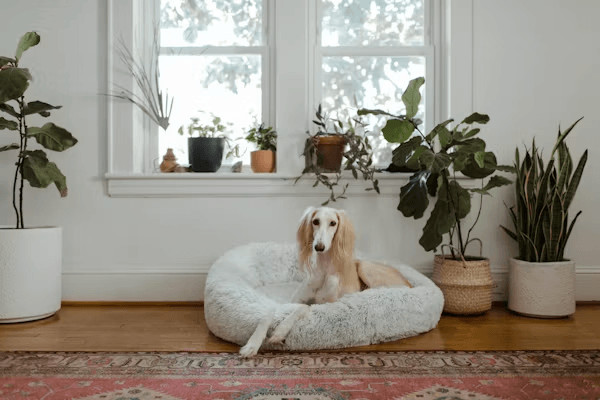
Position the bed away from cold drafts, direct heat, and busy walkways. It should also be easy for your pet to reach without climbing over furniture or navigating slippery surfaces.
If your pet’s needs are changing significantly, it can also help to prepare the home for different stages of aging. Having a calm, familiar space available can make difficult transitions more manageable. For families facing end-of-life decisions, services such as in-home pet euthanasia in Orange County can allow a pet to remain in a familiar environment rather than making a stressful trip elsewhere.
Adjust Food and Water Stations
Bending down to eat or drink may become uncomfortable for some older pets. Raising food and water bowls slightly can make meals easier, although the appropriate height depends on the individual animal.
The bowls should also be placed somewhere with stable flooring. Water spills can create slippery spots, particularly on hardwood or tile, so a waterproof mat underneath the bowls can help protect the floor while improving traction.
Keep food and water in an area that is easy to reach without requiring your pet to climb stairs or squeeze through narrow spaces. Small layout changes can make daily routines much easier.
Improve Lighting Around the Home
Older pets may have changes in vision that make dim areas more difficult to navigate. Better lighting can help make pathways, steps, and furniture easier to distinguish.
Consider brighter fixtures in hallways, stairways, and entry points. Night lights can also be useful near your pet’s bed, food and water stations, or the route to the door.
You do not necessarily need a major electrical project. Plug-in night lights and motion-activated fixtures can provide additional visibility with minimal installation.
Keep Outdoor Areas Safe
Aging pets can still benefit from spending time outside, but yards may contain hazards that become more difficult to handle with reduced mobility. Check walkways for cracks, loose pavers, exposed roots, and other uneven surfaces.
A secure fence is important for pets that may move more slowly or become disoriented. Keep water available outdoors and provide a shaded place where your pet can rest.
If your pet uses a porch or deck, check that stairs have secure surfaces and that railings are stable. Regular maintenance can prevent small problems from becoming larger safety concerns.
Plan Improvements Around Your Pet’s Needs
The best home improvements for an older pet do not have to involve a major renovation. Start by watching how your pet moves through the house. Notice where they hesitate, slip, struggle to climb, or have difficulty reaching something they use every day.
From there, prioritize simple changes such as better flooring traction, easier access to essential areas, comfortable resting spaces, and improved lighting. As your pet’s needs change, the home can change with them.
A few practical adjustments can make everyday routines more comfortable while helping an aging pet continue enjoying familiar surroundings. By planning ahead, homeowners can create a space that supports their pets through the later stages of life.