Every homeowner community has its version of the aging-in-place conversation, and it usually starts the same way: a parent has a close call, a near fall on the stairs or a slip getting out of the tub, and suddenly the family is scrambling to retrofit a house that was never designed with those risks in mind. The better version of this story starts earlier, before the close call, with a walkthrough of the home and an honest list of what needs to change.
The physical modifications get most of the attention, and they matter. But they work best paired with actual caregiving support rather than as a standalone fix. A well-run HHA services New York provider can help families figure out which modifications matter most for a specific person’s needs, since a caregiver who has seen dozens of homes knows which hazards actually cause falls versus which ones just look risky on paper.
The Modifications Worth Prioritizing
Grab bars near the toilet and inside the shower are the single highest-value change most homes can make, and they cost almost nothing compared to a full bathroom remodel. A curbless or low-threshold shower entry removes one of the most common tripping hazards in the house. Lever-style door handles replace round knobs that become harder to grip as arthritis sets in, and they cost about the same to install.
Lighting deserves more attention than it usually gets. Motion-sensor night lights along the path from bedroom to bathroom prevent the classic middle-of-the-night fall, and brighter, more even lighting throughout the house reduces the shadows and glare that make depth perception harder for older eyes. None of these changes require a contractor with specialized training, which is part of why they get overlooked in favor of bigger, more visible renovation projects.
Why the Yard Matters Just as Much as the House
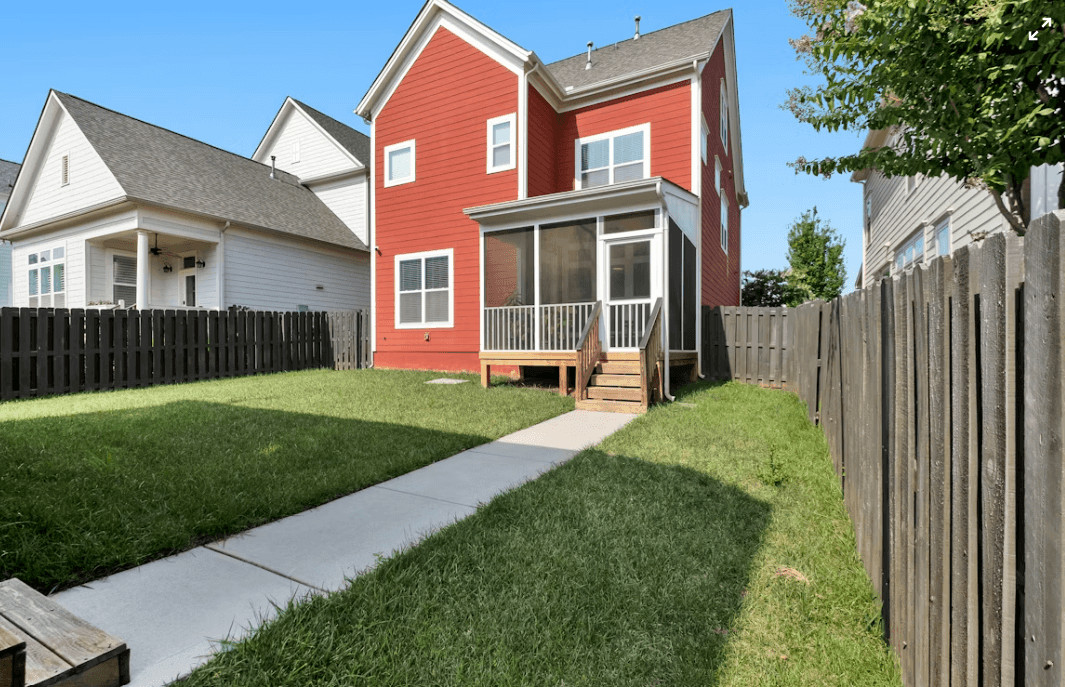
Homeowners planning modifications tend to focus entirely on the interior and forget that outdoor spaces carry real risk too. Uneven walkways, steps without handrails, and garden beds that require awkward bending all become genuine hazards as mobility changes. For a deeper look at exactly this, our guide to creating a safer backyard for aging in place walks through the specific landscape features worth addressing before they become a problem, from walkway surfaces to raised garden beds that reduce the need to kneel or bend.
Why the Demand for This Work Keeps Growing
Home modification is only half the equation, and the workforce data on the caregiving side shows why. Home health and personal care aides are now the largest single occupation in the United States, and demand keeps climbing as more families choose to modify and stay rather than relocate to assisted living.
| Metric | Figure |
| Home health and personal care aides, current US workforce | ~4.3 million |
| Projected growth rate (2024 to 2034) | 17% |
| New home care jobs projected this decade | 681,000+ |
| Caregiver turnover rate (2024) | 75% |
That last figure is worth remembering when a family is choosing between a home modification budget and a caregiving budget. In practice, most families end up needing both, and the caregiver piece is where turnover can quietly undo a lot of the stability a well-modified home is supposed to provide.
Sequencing the Work
Families tackling this project tend to do better when they sequence it deliberately rather than trying to fix everything at once. Start with the highest-risk, lowest-cost items, grab bars, lighting, and clearing walkway clutter, before moving on to bigger projects like a bathroom remodel or a stairlift. That approach gets the most dangerous hazards addressed quickly while the bigger, more expensive changes get planned properly instead of rushed.
It is also worth having the caregiving conversation alongside the renovation planning rather than after it wraps up. A caregiver who is involved early can flag modifications a family might not think to prioritize, like rearranging kitchen storage so frequently used items sit at an easier reach height, something a contractor would never think to suggest.
A House That Actually Works for the Long Run
The goal of all this work is not a home that looks different. It is a home that quietly removes the small daily risks that add up over time, paired with the human support that catches whatever the modifications alone cannot. Families who plan for both pieces together, rather than treating home upgrades and caregiving as separate projects, tend to get more years of genuine independence out of the arrangement.