The call came on a Tuesday. My dad had slipped getting out of the tub. He was okay, just bruised and embarrassed, but my mom’s voice was shaking. That weekend I drove up, walked through their house, and saw it with new eyes. The loose hallway rug. The dim stairs. The shampoo bottles on the tub floor. Things they’d lived with for decades suddenly looked like traps.
Here’s how we approached home safety for an aging parent, room by room.
First, a practical note. Projects like this take time, and so do the doctor visits and setbacks that often come with them. I ended up missing a couple of workdays that month. If your job asks for proof when you’re out, MyTrustMedical can provide a doctors note online for simple, short absences, reviewed by a licensed clinician. They also help with longer leave, like FMLA, if caring for a parent turns into something bigger. Check your employer’s rules first, but it’s one less thing to stress about.

Bathroom safety: the riskiest room for an aging parent
Start here. It’s where my dad fell, and wet floors and hard surfaces make it the riskiest room in most homes.
We put grab bars by the toilet and inside the shower. If you’re remodeling anyway, add blocking behind the walls now so grab bars have solid backing later.
Not towel bars. Real grab bars, screwed into studs, because a towel bar will pull right out of the wall if someone leans on it. We added a nonslip mat inside the tub and a rubber-backed rug outside it.
A shower chair and a handheld showerhead changed everything for my dad. He can sit while he washes, so there’s no balancing on one foot. A raised toilet seat helped too, since getting up from low seats had gotten hard for him.
And we moved the shampoo to a shelf at chest height. No more bending down in a slippery tub.
The stairs
If your parent’s home has stairs, make sure there’s a sturdy handrail on both sides. My parents only had one, and my mom always held the wall going down.
Lighting matters a lot here. We added a light switch at the top and bottom, so nobody walks the stairs in the dark. Bright tape on the edge of each step helps tired eyes see where one step ends.
Keep the stairs totally clear. No baskets of laundry waiting to go up. No shoes on the bottom step.
The bedroom
Think about the trip from bed to bathroom at night. That’s when a lot of falls happen, when someone’s groggy and the house is dark.
We plugged in motion lights along the path. They glow softly when you walk by and turn off on their own. We also put a lamp within reach of the bed, plus a phone or a way to call for help.
Check the bed height, too. A bed that’s too low makes getting up hard. If your parent lives alone, think about how they would call for help after a fall. A cordless phone kept within reach, or a medical alert button worn on the wrist or neck, is worth setting up alongside the physical changes. Ask your parent which one they would actually wear.
The kitchen
My mom loves to cook, and I didn’t want to take that away. So we made it easier instead.
We moved the dishes and pots she uses most to shelves between her waist and shoulders. No more step stools. If your parent still reaches for high shelves, get a sturdy step stool with a handle, and ask them to use it when someone’s home.
And check that the smoke detector works. Ours didn’t.
The living room and halls
Rugs were the first thing to go. Throw rugs slide and bunch up, and they catch toes and walkers. If your parent loves a rug, use a rubber pad and tape the edges down.
Clear the walking paths. Move cords out of the way. Rearrange furniture so there’s a wide, open path from the chair to the kitchen to the bathroom.
Swap round doorknobs for lever handles if hands are getting stiff. It’s a small change that makes daily life easier.
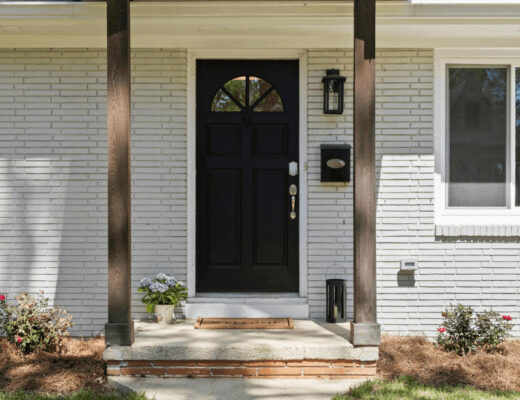
Don’t forget the entrance. Check that the front steps are even, that there’s a sturdy railing, and that the porch light works. A small bench by the door gives your parent a place to sit while taking off shoes, and a clear path from the driveway keeps wet leaves and packages from becoming a hazard.
Talk with your parent, not at them
This was the hardest part for me. My dad didn’t want grab bars. He said they made the place look like a hospital. So we picked ones that looked like nice bathroom hardware, and we let him choose.
Your parent’s home is still theirs. Ask what feels hard. Changes stick better when they help pick them.
Get a home safety check for your aging parent
If you’re not sure where to start, ask their doctor about a home safety check. An occupational therapist can walk through the house and spot risks you’d never notice.
My parents still live in that house. Dad showers sitting down, Mom cooks without climbing on chairs, and I sleep a little easier. Start with the bathroom and work through your aging parent’s home one room at a time. You don’t have to fix everything in a weekend.