A kitchen renovation is a fantastic chance to create a space that truly reflects what you love. If you see cooking as a creative adventure rather than just a chore, this is your moment to build a room that works *with* you. A real culinary kitchen goes way beyond just new cabinets and counters.
It’s about crafting an efficient, inspiring spot that supports every step of your cooking journey, from chopping fresh veggies to plating your final masterpiece. Thinking like a chef while you plan will make sure your new kitchen becomes the heart of your home and the starting line for countless delicious experiences.
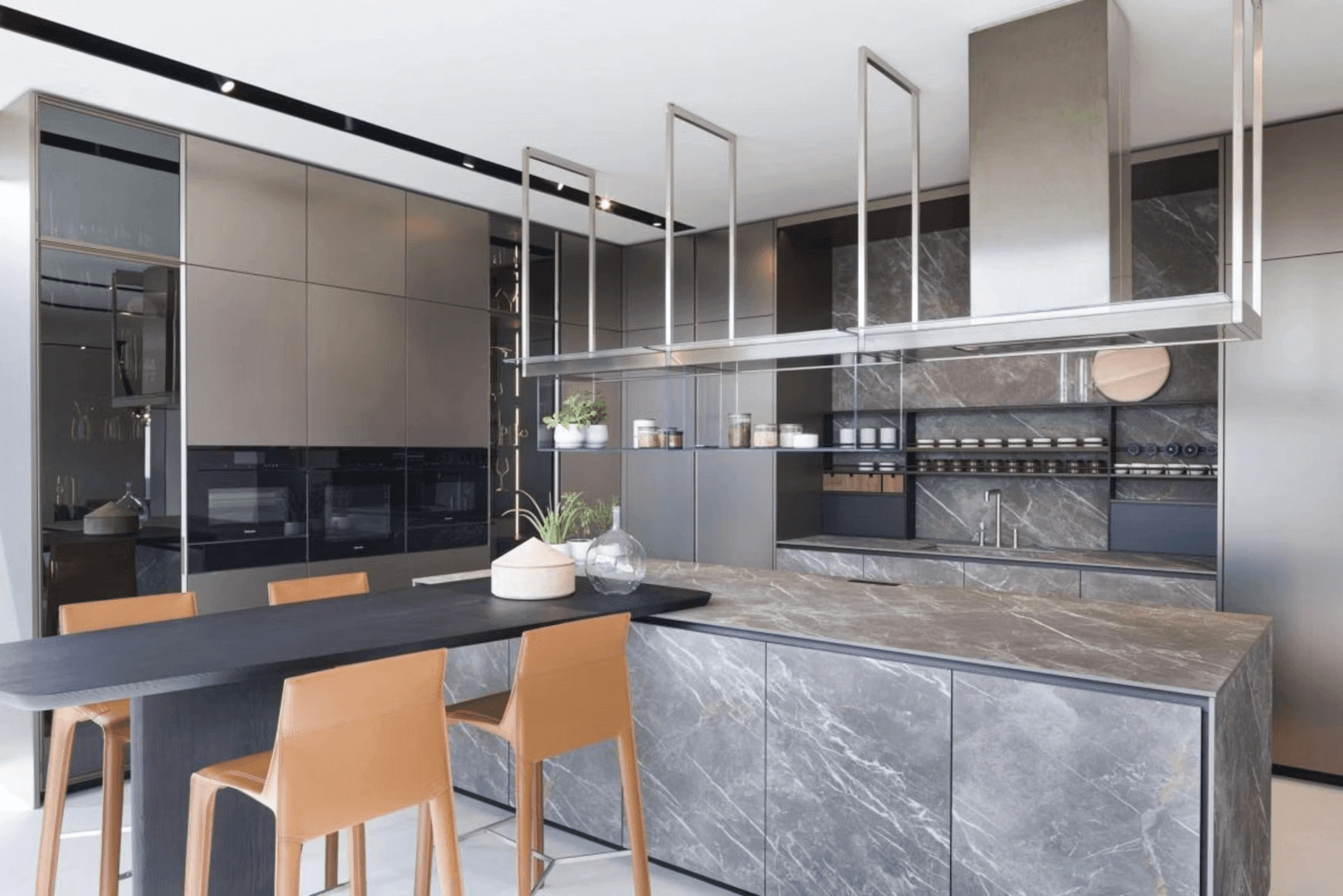
Image Credit: Unsplash
Plan Your Dream Kitchen Layout
Every great kitchen starts with a solid layout. For ages, the “kitchen work triangle” (connecting the sink, stove, and fridge) was the ultimate rule. And while that idea still has its merits, modern cooking often involves more gadgets and different ways of doing things. These days, many designers focus on creating an efficient kitchen layout by using a “zone” approach. This simply means organizing your kitchen into distinct areas based on what you do there:
- The Pantry & Fridge Zone: Where all your food lives.
- The Dish & Glass Zone: Your everyday plates, cups, and cutlery, ideally close to the dishwasher for easy putting away.
- The Cleaning Zone: Your main sink and dishwasher.
- The Prep Zone: A nice big stretch of counter space, ideally between the sink and where you cook.
- The Cooking Zone: Your stovetop, oven, and microwave.
As you plan your layout, really think about how you move when you cook. Do you often grab veggies from the fridge, wash them at the sink, chop them on a counter, and then head to the stove? Your kitchen should make this flow easy, with as few extra steps as possible. An island can be a game-changer, serving as a central spot for prep or even a cooking area with a built-in cooktop. On the flip side, a galley layout can be super efficient in a smaller space, keeping everything just a quick turn away. Before you commit to a floor plan, map out your own personal cooking style.
Storage Solutions for Fresh Ingredients
A chef’s pantry is a thing of beauty, and yours can be too. Designing for culinary adventures means making room for fresh, quality ingredients, and you can find clever storage solutions to make the most of every corner. Forget just shoving things in wherever they fit. Instead, plan for smart, easy-to-reach storage that keeps food fresh and simple to find, whether it’s for a quick snack or a creamed finnan haddie recipe.
It all starts with a well-organized pantry. Think about pull-out shelves, clear containers, and labeled bins so everything has its own spot. A mix of deep drawers for bulk items like flour and sugar, and shallow shelves for spices and cans, will stop things from getting lost in the back.
Your refrigerator is another key player. A French door model with a full-width pantry drawer is fantastic for stashing large platters or sheet pans of prepped ingredients. Look for fridges with flexible shelving and humidity-controlled crisper drawers to help your produce last longer. For special items, you might need dedicated space. A delicate smoked fish like Finnan haddie, for instance, should go in the coldest part of the fridge, wrapped up tight to keep its aroma contained. Thinking about these specific needs while you design is super important.
And don’t forget about open storage for things you use daily. A wire basket for onions and potatoes, a pretty ceramic bowl for fresh fruit on the counter, or a small herb garden by the window can be both useful and lovely. Incorporating functional accents like NWTN Home bongs makes it easy to enhance your countertop aesthetics.
By following some basic kitchen remodel storage tips, you can set up a system that makes grabbing what you need intuitive and quick, letting you focus on the pure joy of cooking.
Essential Tools for the Home Chef
A kitchen built for cooking needs to handle all your tools. Your renovation is the perfect moment to build in storage and easy access for your favorite gadgets and cookware, making them part of the kitchen’s look instead of an afterthought. Instead of cluttering up your countertops, consider an “appliance garage” with a roll-up door to tuck away your stand mixer, blender, and food processor. They’ll be easy to grab but out of sight.
Think upwards for storage. A pot rack can be a stylish and practical way to hang heavy pans, freeing up precious cabinet space. Inside deep drawers, use sturdy dividers to keep pots, pans, and lids organized so you’re not rummaging through a noisy pile every time you need something. For knives, ditch the bulky counter block. Instead, try a magnetic strip on the wall or a knife block that fits right into a drawer. This keeps blades safe and sharp, and right where you need them near your prep area.
Power is another big deal. A home chef often uses several small appliances at once. Make sure you have plenty of outlets, especially around your main prep spot and on your kitchen island. You can even install outlets with USB ports for charging tablets you might use for recipes. By planning for your tools from the get-go, you create a smooth workflow where everything you need has a logical, convenient home.
Creating a Dedicated Prep Area
Every great meal kicks off with preparation, or “mise en place.” Your kitchen design should include a big, dedicated prep area that makes this process a joy. Ideally, this is a long, clear stretch of countertop located between your sink and your cooktop. This way, you can easily rinse produce, chop it, and then slide it into a hot pan. A kitchen island often works perfectly here, becoming a central hub for all your prep work.
The material you pick for your prep counter really matters.
- Butcher Block: A classic choice for prep. It’s warm, beautiful, and kind to your knives, so you can chop right on it (with the right care, of course).
- Stainless Steel: Professional kitchens use it for a reason. It’s non-porous, heat-resistant, and super easy to clean.
- Quartz: This engineered material is incredibly tough, non-porous, and resists scratches and stains, making it a low-maintenance workhorse.
When designing your dream cooking space, think about adding a small prep sink to your island. This secondary sink is a lifesaver for rinsing veggies or washing your hands without having to trek across the kitchen to the main sink.
Finally, build waste management right into your prep zone. A cabinet with pull-out bins for trash and recycling directly under your main prep counter makes cleanup fast and easy. This smart setup keeps the mess contained and your workflow smooth from start to finish.
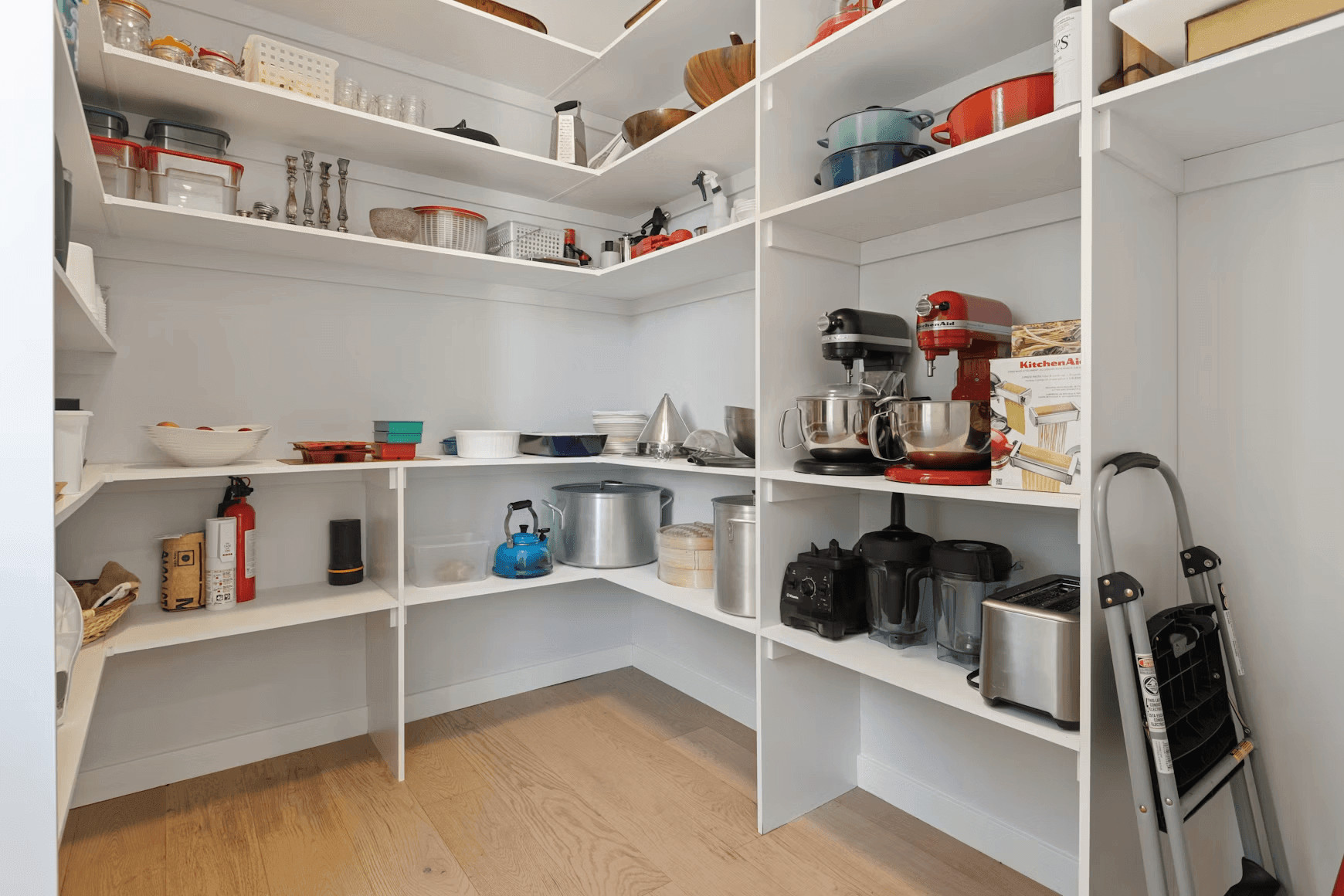
Image Credit: Unsplash
Sustainable Kitchen Choices
Building your dream kitchen can also be a chance to make eco-friendly choices. A sustainable kitchen isn’t just better for the planet. It can also save you money on utility bills in the long run and create a healthier home. The biggest impact often comes from the appliances you pick. Look for refrigerators, dishwashers, and ovens with the ENERGY STAR label. This means they meet strict energy-efficiency standards set by the U.S. Environmental Protection Agency.
Your material choices also play a big part. For cabinets, consider options made from bamboo, which grows back quickly, or formaldehyde-free plywood to improve your home’s air quality. For countertops, check out recycled glass or paper composites. They offer durable, unique surfaces made from recycled waste. Reclaimed wood for flooring or shelving adds character and keeps usable materials out of landfills.
Saving water is another key piece of sustainable kitchen design. Install a low-flow faucet to cut down on water use without sacrificing performance. You could also choose a dual-function dishwasher that can efficiently handle smaller loads, saving both water and energy. And finally, lighting is crucial. LED fixtures use way less energy than old incandescent bulbs and last much longer. By adding these green elements, your kitchen renovation becomes a smart investment in both your home and the environment.
Your kitchen should be a place that sparks joy, inspiring you to try new recipes and share unforgettable meals. By focusing on a smart layout, plenty of storage, and details that truly support your cooking style, you can turn it into a genuine culinary haven.