Buying a house in a competitive city can feel like stepping into a game where the rules were explained to everyone else a week earlier, because the best listings seem to appear overnight, attract a crowd by breakfast, and disappear before ordinary buyers have even decided whether the kitchen cabinets are charming or unforgivable. In a market like that, hesitation becomes expensive, but speed without judgment becomes dangerous, which means the real skill is learning how to move quickly without letting pressure make the decision for you.
The buyers who win in fast-moving markets are not always the loudest, richest, or most aggressive; they are usually the ones who have already done the quiet work before the right house appears. They know their budget, they know their preferred neighborhoods, they know which flaws they can live with, and they know the difference between a house that is genuinely undervalued and a house that merely looks exciting because everyone else wants it.
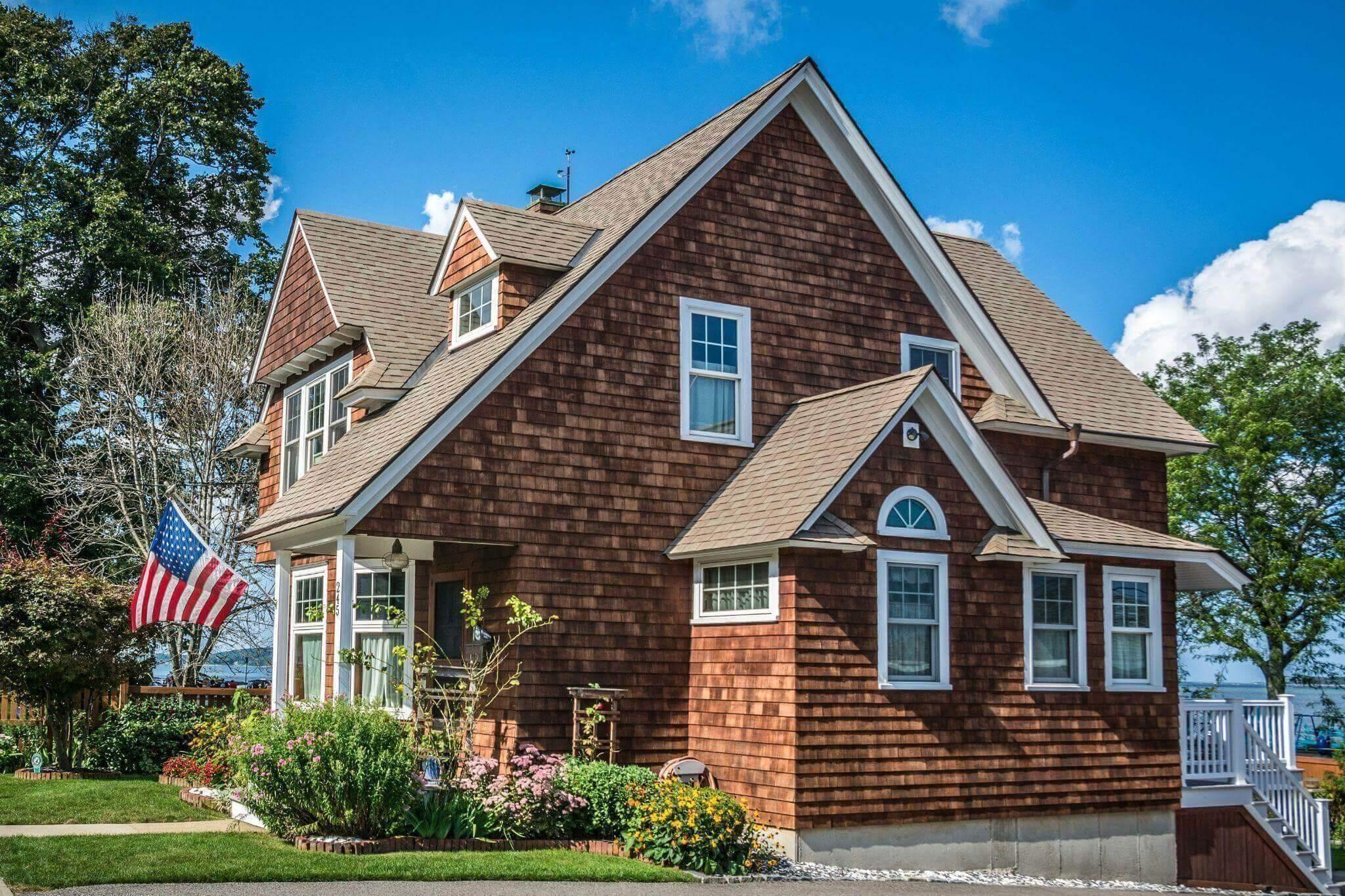
Photo by Nikolay Loubet on Unsplash
Start With the City, Not the Listing
In Portland, Oregon, buyers often compare areas such as Beaverton, Hillsboro, Gresham, Tigard, Lake Oswego, Milwaukie, Oregon City, Happy Valley, and West Linn when deciding how close they want to be to work, schools, parks, restaurants, transit, and the kind of neighborhood rhythm that makes daily life feel manageable rather than exhausting.
Someone trying to buy a house in Portland is not only choosing a property, because they are also choosing whether they want older character near established neighborhoods, more space farther from the center, easier access to major employers, stronger school options, or a lifestyle built around walkability, greenery, and local culture.
That is why a smart home search should begin with the shape of your life rather than the shine of a listing photo. A beautiful house in the wrong pocket of the city can become a daily compromise, while a less dramatic house in the right location can become the kind of purchase that feels smarter every year.
What to study before you tour homes
- Drive through target neighborhoods during commute hours, not just on quiet weekends.
- Visit nearby grocery stores, parks, coffee shops, and main streets to understand daily convenience.
- Compare commute times to work, schools, family, and places you actually visit.
- Notice whether the area feels stable, improving, overpriced, or still underappreciated.
- Decide whether you are buying for lifestyle, investment potential, school access, or long-term roots.
Redefine What a Good Deal Looks Like
A good deal in a fast city is rarely the cheapest house on the market, because the cheapest house may be hiding repairs, awkward floor plans, difficult resale issues, poor natural light, noisy surroundings, or a location that buyers keep rejecting for reasons that are not obvious in photos. A true good deal is a house that still makes sense after the inspection, after the repair estimates, after the monthly payment is calculated, and after the emotional thrill of imagining your furniture in the living room has faded.
The most dangerous buyer is the one who thinks every lower price is an opportunity, because price alone does not create value. Value appears when the house, location, condition, layout, and ownership costs all work together better than the market seems to realize.
Signs a deal is actually strong
- The price is fair compared with recently sold homes nearby.
- The house has fixable cosmetic issues rather than serious structural concerns.
- The layout works for real life without expensive changes.
- The neighborhood has steady demand from future buyers.
- The monthly payment leaves room for repairs, savings, insurance, and taxes.
Get Your Money Ready Before the Market Tests You
Fast markets punish buyers who are still “thinking about financing” after they find a house they love, because serious sellers want confidence, clean paperwork, and buyers who look capable of closing without drama. Before you walk into a competitive showing, you should already know your comfortable monthly payment, your maximum offer range, your down payment position, your closing cost estimate, and how much cash you can keep available after the purchase.
This preparation matters because emotional buyers often stretch beyond reason when they feel competition around them. A strong buyer does not ask, “How high can I go?” in the middle of a bidding situation; a strong buyer already knows the number where the house stops being a smart decision.
Financial steps to complete early
- Get a full pre-approval from a credible lender.
- Know your maximum payment before touring attractive homes.
- Keep proof of funds ready for deposits and closing costs.
- Build a repair reserve, especially when looking at older houses.
- Decide your walk-away number before emotions start negotiating for you.
Learn to Love the Right Kind of Imperfection
In a competitive city, perfect houses are expensive because everyone can understand them immediately. They have clean staging, bright photos, fresh paint, modern kitchens, polished bathrooms, and no obvious reason to hesitate, which means they attract the largest crowd and often sell at the most aggressive price.
The better opportunity may be the house that looks slightly tired but has strong bones, a sensible layout, good light, a useful yard, and a location that buyers will continue to want. Cosmetic flaws can sometimes protect you from competition, because many buyers do not have the imagination to see past old carpet, dated fixtures, dull paint, or landscaping that needs patience.
Imperfections worth considering
- Outdated paint, lighting, flooring, or cabinet hardware.
- Poor listing photos that make the house look less appealing online.
- Empty rooms that feel colder than they would with furniture.
- Basic landscaping that could be improved over time.
- Older finishes in a home with a strong layout and solid structure.
Imperfections to treat carefully
- Foundation movement or major structural concerns.
- Roof, plumbing, or electrical issues without clear repair estimates.
- Water damage, mold, or repeated drainage problems.
- A location problem that no renovation can solve.
- A layout that would require expensive reconstruction to function well.

Build a Fast Decision System
The best way to move quickly without becoming reckless is to create rules before the house appears, because clear rules protect you from panic when other buyers start circling. Your rules should separate must-have features from preferences, acceptable repairs from unacceptable risks, and emotional excitement from financial logic.
A fast decision system does not make you careless; it makes you prepared. It allows you to recognize the right house sooner, make a cleaner offer faster, and avoid wasting time on properties that never truly matched your needs.
Decide these things in advance
- Which neighborhoods are serious options and which are only distractions.
- How many bedrooms, bathrooms, and functional spaces you truly need.
- Which repairs you are willing to handle after closing.
- Which location flaws would bother you every day.
- How much you can offer without weakening your financial security.
Make an Offer Sellers Can Believe In
In a fast market, sellers are not only looking at price, because they are also judging certainty. A seller may prefer an offer that feels organized, realistic, and likely to close over one that looks slightly higher but comes with weak financing, vague terms, or unnecessary complications.
A competitive offer should be serious without being desperate. It should show that you are prepared, respectful of the seller’s timeline, and financially capable, while still protecting you from major surprises that could make the purchase unwise.
Ways to strengthen your offer
- Submit a strong pre-approval letter with the offer.
- Keep your terms clean and easy to understand.
- Offer a closing timeline that works for the seller when possible.
- Avoid asking for minor extras that weaken the offer.
- Use contingencies strategically rather than carelessly removing protection.
Do Not Let Urgency Become Fear
A fast market can make every house feel like the last decent house you will ever see, but that feeling is usually pressure disguised as instinct. There will be other listings, other negotiations, and other chances, while a bad purchase can stay with you for years.
The discipline to walk away is one of the most powerful tools a buyer has, because it keeps the search from becoming a contest of pride. You are not trying to win a bidding war for the sake of winning; you are trying to buy a house that still feels like a sound decision after the keys are in your hand and the first repair bill arrives.
Questions to ask before increasing your offer
- Would I still want this house if there were no other buyers competing for it?
- Am I paying for real value or for the fear of losing?
- Does the location support my daily life and future resale needs?
- Can I afford this house comfortably after repairs and moving costs?
- Would I advise someone else to make this same decision?
Final Thoughts
Buying a house in a city where every good deal disappears fast requires more than speed, because speed only helps when it is backed by preparation, clarity, and local understanding. The strongest buyers know their finances before the search becomes emotional, study neighborhoods before they fall in love with listing photos, recognize useful imperfections, and make offers that are both competitive and controlled.
The goal is not to chase every house that attracts attention. The goal is to become the kind of buyer who can recognize the right opportunity before the crowd fully understands it, act decisively when the numbers make sense, and walk away when the market tries to turn pressure into a mistake.