Your roof affects your home’s durability, curb appeal, energy efficiency, weather protection, and long-term maintenance costs.
With so many roofing materials available today, homeowners often struggle to determine which option is best for their property and climate.
Understanding the differences between popular residential roofing systems can help homeowners make informed decisions based on budget, durability, appearance, and long-term value.
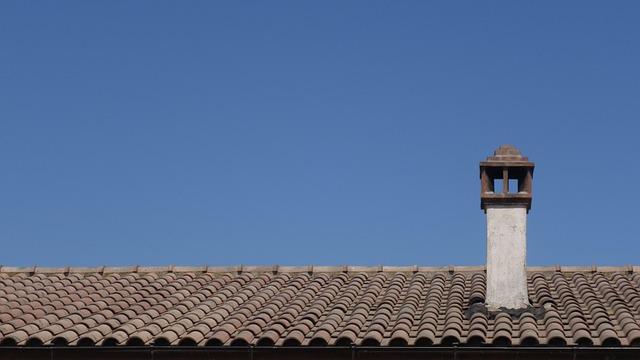
Why Roofing Material Choice Matters
Different roofing materials perform differently depending on weather exposure, home style, maintenance expectations, and lifespan goals.
Roofs Protect Your Entire Home
Your roofing system serves as the primary barrier against rain, wind, storms, snow, heat, and moisture.
Roofing Impacts Energy Efficiency
Some roofing materials reflect heat better and improve insulation performance.
Roofing Affects Home Appearance
The roof is one of the most visible parts of a home’s exterior and significantly impacts curb appeal.
Asphalt Shingle Roofing
Asphalt shingles remain the most popular residential roofing material in the United States.
Why Homeowners Choose Asphalt Shingles
Asphalt shingles offer affordability, versatility, and solid durability.
Architectural Asphalt Shingles
Architectural shingles are thicker and more durable than traditional three-tab shingles.
Benefits of Architectural Shingles
They provide better wind resistance, improved appearance, and longer lifespan.
Average Lifespan of Asphalt Roofs
Most asphalt roofs last between 15 and 30 years, depending on material quality and maintenance.
Metal Roofing
Metal roofing has become increasingly popular among homeowners seeking long-term durability.
Benefits of Metal Roofs
Metal roofing offers excellent resistance to weather, wind, and fire.
Energy Efficiency Advantages
Reflective metal surfaces can help reduce cooling costs during warmer months.
Metal Roof Lifespan
Many metal roofs last between 40 and 70 years.
Cedar Shake Roofing
Cedar shake roofing offers a natural and traditional appearance.
Appearance and Curb Appeal
Many homeowners choose cedar roofing for its rustic and upscale appearance.
Maintenance Requirements
Cedar roofs require regular maintenance to prevent moisture and weather damage.
Average Cedar Roof Lifespan
Most cedar shake roofs last between 20 and 30 years with proper care.
Slate Roofing
Slate is one of the most durable roofing materials available.
Long-Term Durability
Slate roofs can last over 75 years when installed properly.
Premium Appearance
Natural slate provides a distinctive and elegant appearance.
Higher Installation Costs
Slate roofing is significantly more expensive than asphalt or metal systems.
Factors to Consider When Choosing Roofing Materials
Several factors influence which roofing material is best for a home.
Climate and Weather Conditions
Weather exposure plays a major role in roof performance.
Wind Resistance
Areas with frequent storms require stronger roofing systems.
Snow and Ice Considerations
Cold climates may benefit from materials designed for heavy snow loads.
Budget and Long-Term Value
Initial installation cost is important, but homeowners should also consider lifespan and maintenance costs.
Maintenance Expectations
Some roofing systems require more maintenance than others.
Home Style and Appearance
Certain materials complement specific architectural styles better than others.
Energy Efficiency and Roofing
Modern roofing materials can improve home energy performance.
Reflective Roofing Materials
Some roofs reflect sunlight and reduce indoor heat buildup.
Ventilation and Insulation
Proper attic ventilation improves overall roofing efficiency and lifespan.
Signs It May Be Time for Roof Replacement
Older roofs eventually require replacement regardless of material type.
Missing or Damaged Shingles
Visible wear may indicate roofing deterioration.
Roof Leaks
Leaks can lead to interior moisture damage and mold problems.
Sagging Roof Areas
Structural concerns should be inspected immediately by roofing professionals.
Why Professional Roof Installation Matters
Proper installation is critical for roof performance and longevity.
Manufacturer Warranty Requirements
Improper installation may void roofing warranties.
Weather Protection
Experienced roofers help ensure proper flashing, ventilation, and sealing.
Long-Term Durability
Quality workmanship reduces future repair risks.
Choosing the Best Roof for Your Home
The best roofing material depends on your budget, climate, maintenance preferences, and long-term goals.
Many homeowners prioritize affordability, while others focus on durability, energy efficiency, or premium appearance.
Working with an experienced roofing company can help homeowners compare options and choose the right roofing system for their property.