Your mattress quietly controls a huge part of your day. If you wake up stiff, overheated, or weirdly annoyed before breakfast, your bed may be the culprit. Choosing the right mattress is not just about comfort in a showroom for five minutes.
It affects your sleep quality, posture, room design, and even how long your bedroom setup stays functional. If you live in a city with changing temperatures and busy routines, those details matter even more.

Start With How You Actually Sleep
You can skip the fantasy version of yourself here. Don’t shop for the person who plans to sleep perfectly flat, motionless, and on schedule every night. Shop for how you really sleep.
Think about:
– Your usual sleep position
– If you share a bed
– Any back, neck, or shoulder pain
Side sleepers mostly require pressure relief around the shoulders and hips. Back sleepers often do better with balanced support that keeps the spine aligned. Stomach sleeping can be trickier, since a mattress that’s too soft may pull your lower back out of position.
Consider Climate, Room Setup, and Local Shopping Needs
Your bedroom is not a vacuum-sealed sleep lab. Real-world factors shape what will work long-term. If you live in a place with warm summers, chilly winters, or dry indoor heating, temperature regulation becomes a bigger deal than many buyers expect.
Breathable covers, open-cell foams, and coil systems can help reduce heat buildup. That matters if your room gets stuffy or if you naturally sleep warm. Even your bed frame plays a role. Slatted bases can improve airflow, while certain platform setups may trap more heat.
Local access matters too. If you want to test options in person, compare comfort levels, and speak with people who understand regional preferences, it helps to explore stores like Custom Comfort Mattress. That can be especially useful when you’re trying to match a mattress to your room size, climate, and daily routine instead of buying blind and hoping for the best.
Pay Attention to Materials, Not Just Marketing
Mattress shopping comes with a lot of dramatic wording. You’ll see terms like ultra-premium, orthopedic-inspired, and sleep technology that sounds like it came from a spaceship. Strip that away and look at the actual materials.
Common options include:
– Memory foam for contouring and motion isolation
– Latex for responsiveness and durability
– Innerspring for bounce and airflow
– Hybrid builds that combine coils and foam layers
Each one has trade-offs. Memory foam can reduce motion transfer well, which helps if your partner moves around all night. Latex often feels more buoyant and breathable. Hybrids tend to appeal to people who want a mix of cushioning and support.
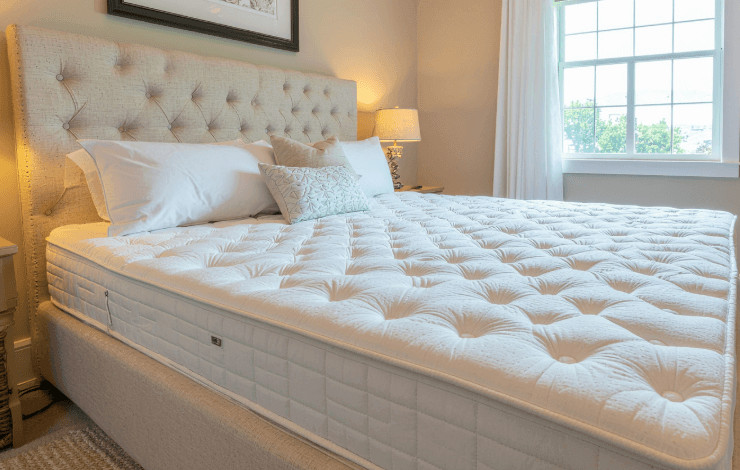
You should also check edge support, cooling features, and build quality. A mattress may feel great in the middle but collapse near the edges after a year. That gets old fast, especially in smaller bedrooms where you use every inch of the bed.
Match Firmness to Support, Not Ego
People get oddly competitive about mattress firmness. Some act like sleeping on the firmest bed possible earns them bonus discipline points. It doesn’t. The best firmness level is the one that supports your body correctly and feels comfortable night after night.
A few practical patterns tend to hold up:
– Soft to medium options often suit lighter sleepers and side sleepers
– Medium to medium-firm works for many combination sleepers
– Medium-firm to firm may help heavier sleepers or some back sleepers
Body weight changes how a mattress feels. A medium mattress can feel soft to one person and firm to another. That’s why online star ratings only tell part of the story.
When testing a mattress, stay on it for more than a few seconds. Lie down in your normal sleep position. Notice whether your hips sink too far or your shoulders feel jammed. Good alignment should feel steady, not strained.
Think Beyond the Mattress Itself
A mattress is the headline act, but the supporting cast matters. If your pillow, frame, and bedding are wrong, even a great mattress can underperform.
Check these elements too:
– Pillow height and support for your sleep position
– Bed frame compatibility and weight limits
– Breathable sheets if heat is an issue
– Mattress protectors that don’t trap moisture
If you’re setting up a guest room, teen bedroom, or condo space, size and function deserve extra attention. A mattress that dominates the room can make the entire layout awkward. In tighter spaces, edge support becomes more important because you may sit on the bed frequently while getting dressed or working with limited furniture.
Durability also belongs in the conversation. If you’re buying for a primary bedroom, paying a bit more for better materials can save money over time. Replacing a sagging mattress early is not exactly a thrilling budget strategy.
Use Trial Periods and Warranties the Smart Way
A trial period sounds reassuring, but you should still read the details. Some returns are easy. Others come with pickup fees, condition requirements, or a mandatory break-in period before you can make a claim.
Before you buy, check:
– Trial length
– Return costs or restocking fees
– Warranty coverage for sagging or defects
– Whether the mattress needs a specific base
– Delivery and setup options
You should also keep expectations realistic. The first night on a new mattress may feel different simply because your body is adjusting. Give it a fair test unless something feels obviously wrong.
If you’re comparing brands, look at transparency. Companies that clearly explain materials, firmness, and warranty terms usually make shopping easier. Vague promises and flashy adjectives are fun for ad copy, less fun when you’re trying to solve actual back pain.
A smart mattress purchase blends comfort, practicality, and fit for your real life. When you focus on how you sleep, what your room needs, and how the mattress is built, you give yourself a much better chance of waking up rested instead of irritated. Your bedroom should help you recover, not test your patience before sunrise.