Image by vladislav_chusov on Magnific
A roof leak in October feels urgent in a way a leak in June doesn’t. Cold weather, snow, ice and short days all make roofing work harder, and a small drip can turn into soaked insulation and a damaged ceiling once winter storms arrive. The big question is simple to ask and harder to answer: do you patch the problem and get through the season, or bite the bullet and replace the roof now?
There’s no single right answer, but there is a sensible way to work through it. Here’s how to weigh the decision before the weather makes it for you.
Find out what’s actually leaking
Before you can choose between repair and replacement, you need to know where the water is coming from. That isn’t always obvious. Water can enter at one spot, run along a rafter and show up as a stain several feet away.
Common leak sources include:
- Damaged or missing shingles after wind
- Worn flashing around chimneys, walls and skylights
- Cracked boots around plumbing vent pipes
- Clogged gutters that push water under the roof edge
- Ice dams in colder climates, where meltwater backs up under shingles
A professional inspection should tell you the source, the extent of the damage and the overall condition of the rest of the roof. A single failed vent boot on a healthy roof is a very different situation from a leak on a roof that’s worn out everywhere.
When a repair usually makes sense
Repair is often the right call when the problem is limited and the rest of the roof still has life left in it. The clearest sign is damage confined to one area, such as a few shingles or a single flashing joint.
Age matters as well. If the roof is relatively young for its material, and the shingles elsewhere lie flat with good granule coverage, a repair is usually the sensible choice. The same goes when the deck underneath is solid, with no soft spots or widespread rot, and when this is the first leak rather than the third or fourth in a few years.
A well-done repair can buy many years on a roof that’s otherwise in good shape. It’s also faster to schedule, which matters when the forecast is turning. For a second take on the trade-offs, this guide on roof repair vs. replacement from a BC roofing contractor walks through the factors that tend to tip the decision, such as roof age, insurance coverage and documentation.
When replacement is the better choice
Sometimes repairs just delay the inevitable and cost more over time. Replacement starts to make more sense when the roof is near the end of its expected life. Asphalt shingles, metal, tile and other materials all age differently, so ask your roofer what’s typical for yours.
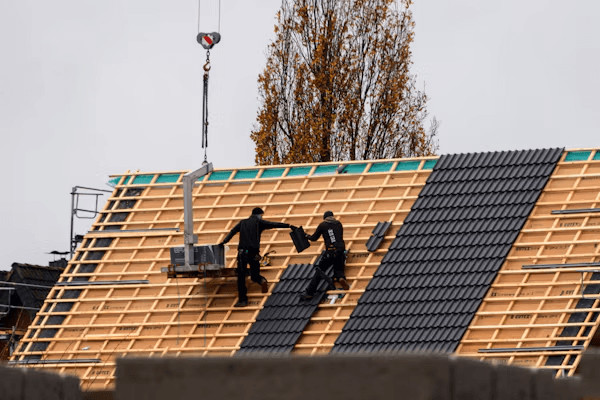
If leaks are showing up in several places, or new ones keep appearing after repairs, the roof as a whole may be failing. Shingles that are curling, cracking or losing granules across large areas tell a similar story. Soft or rotted decking often means water has been getting in for a while, and if you plan to stay in the home for years, a new roof can remove a recurring worry.
Weigh the costs honestly
It’s tempting to compare only the price of a repair against the price of a new roof, but a fuller comparison looks at more.
Start with age. A roof well within its expected life leans toward repair, while one near or past it leans toward replacement. Then look at how much of the roof is affected. One small area points to a repair, but several areas or widespread wear point the other way. The same goes for repair history: one recent repair is fine, but several suggest the roof is wearing out.
If you’re selling soon, a repair may be enough. If you’re staying long term, replacement often pays off. Finally, check the deck. A sound deck supports a repair, while soft or rotted spots usually mean a new roof.
Also think about the cost of doing nothing. A slow leak through a winter can mean wet insulation, mould and drywall repairs, which can add a lot to the final bill.
Factor in insurance and timing
If the leak followed a storm, check your homeowner’s policy before work begins. Insurers look closely at whether damage came from a sudden event or from gradual wear, and that can affect whether they cover a repair, a replacement or neither. Take photos, keep notes and contact your insurer promptly. Your own policy wording is what counts in the end, so read it carefully or ask your agent.
Timing matters too. Many roofers get booked up in the fall, and some materials and sealants don’t perform as well in very cold or wet conditions. If replacement is the right answer, try to schedule it as early as you can.
If you can’t finish before winter
Sometimes the best plan is a two-step one. A roofer can make a solid temporary repair now, such as resealing flashing or replacing a damaged section, to keep water out through the cold months. Then you plan a full replacement in spring, when the weather is better and you’ve had time to compare quotes.
This approach only works if the temporary fix is done properly and checked after big storms. A tarp is an emergency measure, not a winter plan.
Get at least two opinions if the recommendation is a full replacement, and ask each roofer to show you photos of what they found. A trustworthy contractor will explain why they suggest repair or replacement, not just hand you a number. The National Roofing Contractors Association publishes information for homeowners on roof systems and on choosing a qualified contractor, which can help you ask better questions when you’re getting quotes.
The right choice comes down to the roof’s age, the extent of the damage, your budget and how long you’ll stay in the home. Make the call with real information, and make it before the first hard freeze.