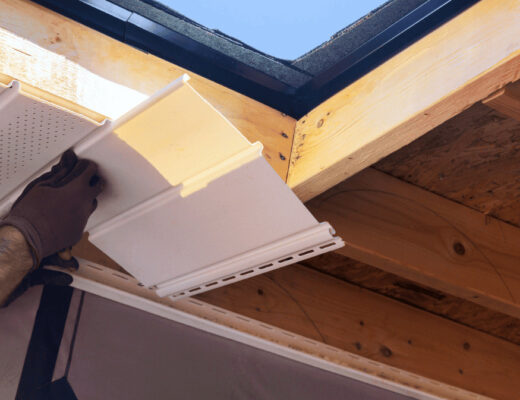
Weather can place constant stress on a home. Heavy rain, strong winds, ice, snow, and extreme heat all have the potential to create problems that become expensive if they go unnoticed. While no property can avoid every weather event, homeowners can take practical steps to reduce the risk of damage and keep repair costs under control.
Preventive maintenance is often the difference between a minor fix and a major restoration project. By paying attention to vulnerable areas and addressing concerns early, homeowners can strengthen their property against changing weather conditions and protect their investment for years to come.
Recognize When a Roof Needs Full Replacement
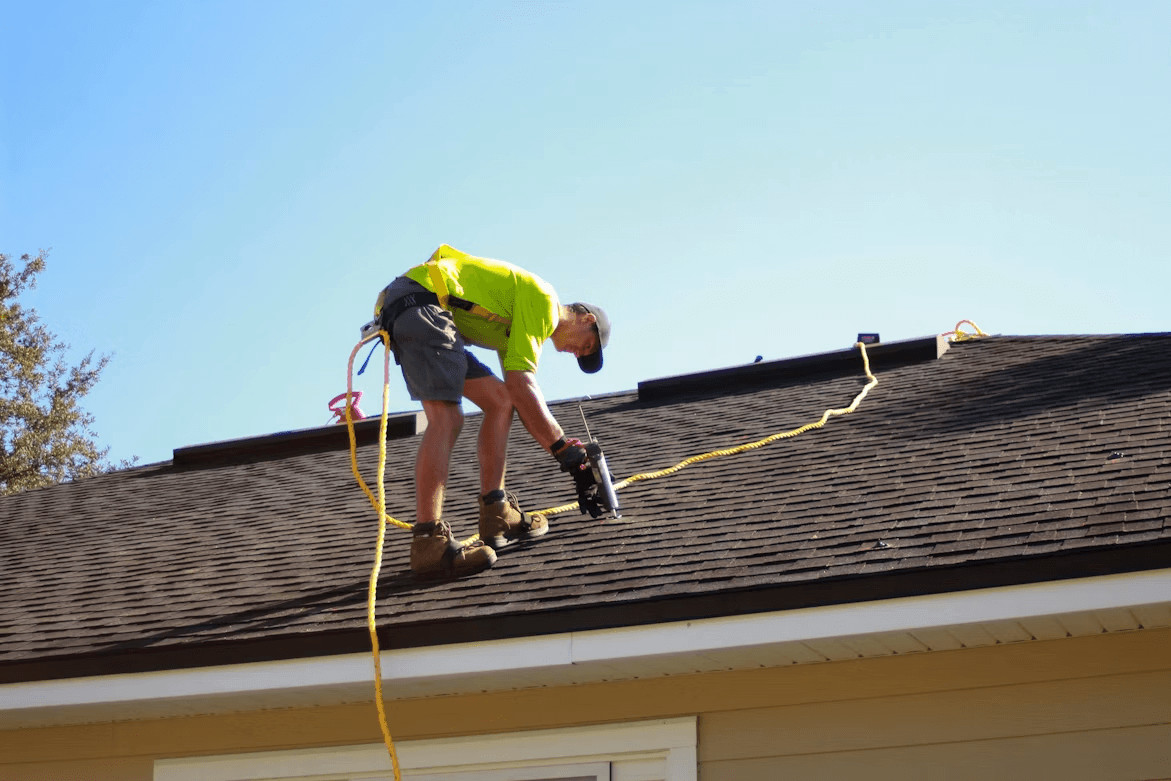
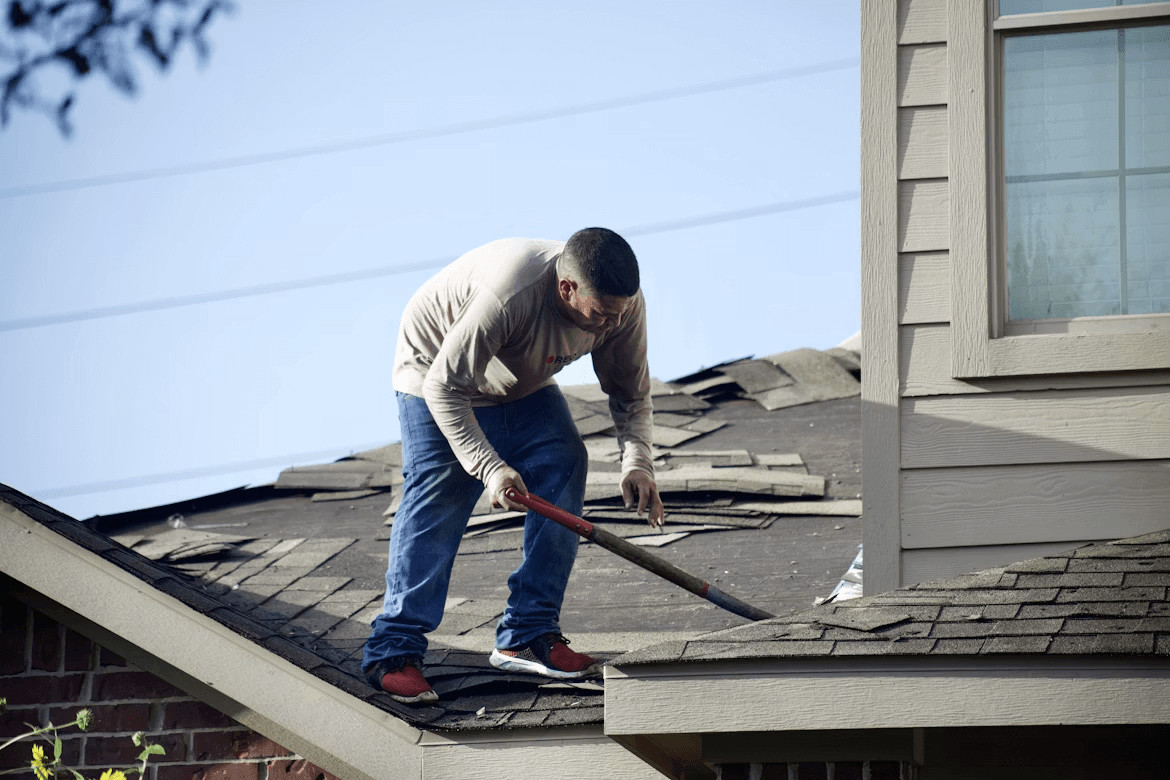
Roof damage can allow water to enter a home through vulnerable areas. Once moisture gets inside, it can affect insulation, interior surfaces, and structural components, leading to increasingly expensive repairs. When a roof has reached the point where widespread deterioration makes repairs impractical, working with a roof replacement contractor can provide a long-term solution.
A professional can remove worn roofing materials, install a new roof system, and restore dependable protection against future weather exposure. Replacing a roof before severe weather arrives can help reduce the risk of leaks and other costly problems.
Keep Water Moving Away from the Property
Water management plays a major role in preventing weather-related damage. When rainwater cannot move efficiently away from a home, it may collect near the foundation, seep into lower levels, or create erosion around the property.
Regularly clean drainage channels and remove leaves, twigs, and debris that can cause blockages. Inspect downspouts to make sure water is directed away from the structure. Areas where water consistently pools should be addressed before they contribute to moisture problems. Property grading also deserves attention. Soil should slope away from the home so that water naturally flows outward rather than collecting against exterior walls.
Seal Openings Around Windows and Doors
Small gaps around windows and doors can allow water and air to enter the home. During storms, these openings may permit moisture intrusion that damages surrounding materials over time. Inspect exterior caulking and weather stripping at least once a year. Cracked, brittle, or missing sealants should be replaced promptly. Proper sealing helps keep moisture outside while also improving energy efficiency. Window frames and door frames should be checked for signs of rot, warping, or deterioration. Addressing these issues early helps prevent more extensive repairs later.
Pay close attention to corners and joints where different materials meet, as these locations often experience the greatest wear. Seasonal temperature changes can gradually weaken sealing materials and create new openings. Replacing worn components helps maintain a consistent barrier around the home.
Trim Trees Before Severe Weather Arrives
Trees can add beauty and shade to a property, but they can also become a source of weather-related damage. Strong winds, ice accumulation, and storms can cause branches to break and fall onto structures, vehicles, or utility lines.
Inspect trees regularly for dead, diseased, or weakened branches. Professional trimming can reduce the likelihood of breakage during severe weather events. Branches that extend close to the home should receive special attention. Healthy trees are generally more resilient during storms, making routine care an important part of weather preparedness.
It is also important to monitor trees for signs of instability, including leaning trunks or exposed roots. Dense growth can increase the amount of stress placed on limbs during adverse weather. Selective pruning helps improve balance throughout the canopy.
Check Exterior Surfaces for Signs of Wear
Exterior surfaces serve as a protective barrier against the elements. Cracks, gaps, and damaged materials can allow moisture to enter areas where it does not belong. Walk around the property periodically and inspect walls, trim, and other exposed surfaces. Look for peeling paint, damaged sections, or areas where materials appear loose.
Prompt repairs can prevent moisture from reaching underlying components. Protective coatings and finishes should be maintained according to manufacturer recommendations. Keeping these surfaces in good condition helps preserve their ability to withstand changing weather conditions.
Prepare for Seasonal Temperature Changes
Temperature fluctuations can cause materials to expand and contract. Over time, this movement may create cracks, separations, and other vulnerabilities throughout a home. Inspect areas where different materials meet, such as joints and transitions. These locations often experience greater stress from changing temperatures.
Maintaining appropriate sealants can help preserve weather resistance. Heating and cooling systems should also be serviced regularly. Efficient operation helps maintain stable indoor conditions and reduces stress on building materials during extreme weather periods.
Protect the Foundation from Moisture Exposure
The foundation supports the entire structure, making moisture control especially important. Excess water around the foundation can contribute to cracks, shifting, and other structural concerns.
Inspect the perimeter of the home after heavy rainfall. Standing water, persistent dampness, or visible soil erosion may indicate drainage problems that require attention. Foundation cracks should be evaluated promptly. Small issues can sometimes become larger concerns if water continues to enter and freeze during colder weather cycles.
Secure Outdoor Features and Equipment
Outdoor items can become hazards during severe weather. High winds may move furniture, decorations, and other loose objects, creating risks for nearby structures. Before storms arrive, secure or store items that could be displaced by strong gusts.
Equipment covers should be properly fastened, and storage areas should remain organized and accessible. Fences, gates, and detached structures should also be inspected periodically. Repairing loose components before severe weather can help prevent additional damage.
Create a Routine Inspection Schedule
One of the most effective ways to protect a home from costly weather damage is to establish a regular inspection routine. Many problems begin as small issues that are easy to overlook until they become expensive repairs.
Seasonal inspections allow homeowners to identify developing concerns before severe weather exposes weaknesses. Creating a checklist can help ensure that important areas receive attention throughout the year. Consistent maintenance, prompt repairs, and proactive planning work together to reduce risk. By staying ahead of potential problems, homeowners can improve their property’s resilience and avoid many of the costly consequences associated with weather-related damage.