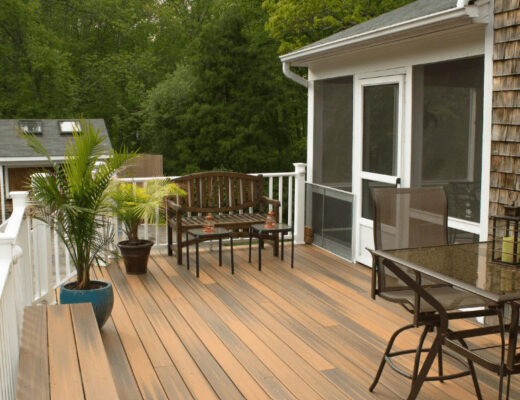
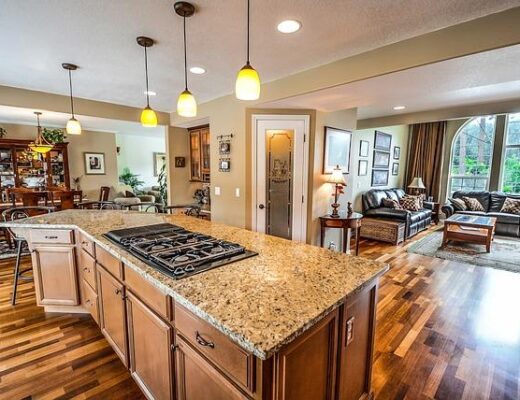
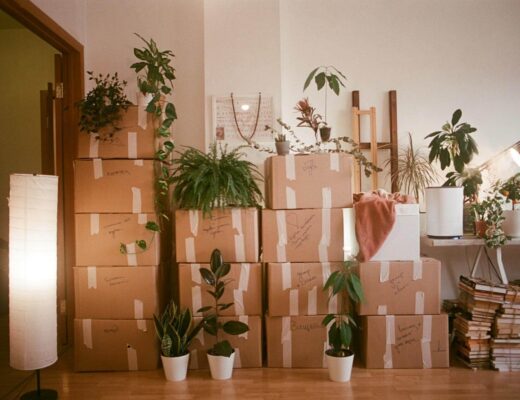
Homes tend to feel more comfortable when they include natural elements. Sunlight across a wood floor, indoor greenery near a window, or soft natural textures can change the mood of a room almost immediately. These details are often called biophilic touchpoints. The concept behind biophilic design is simple. People generally feel calmer and more connected when interior spaces reflect patterns, materials, and features found in nature.
Many homeowners assume this style requires large renovations or expensive upgrades. Smaller changes often create the strongest effect because they fit naturally into daily life. A few thoughtful updates can make a room feel brighter, softer, and easier to enjoy over time.
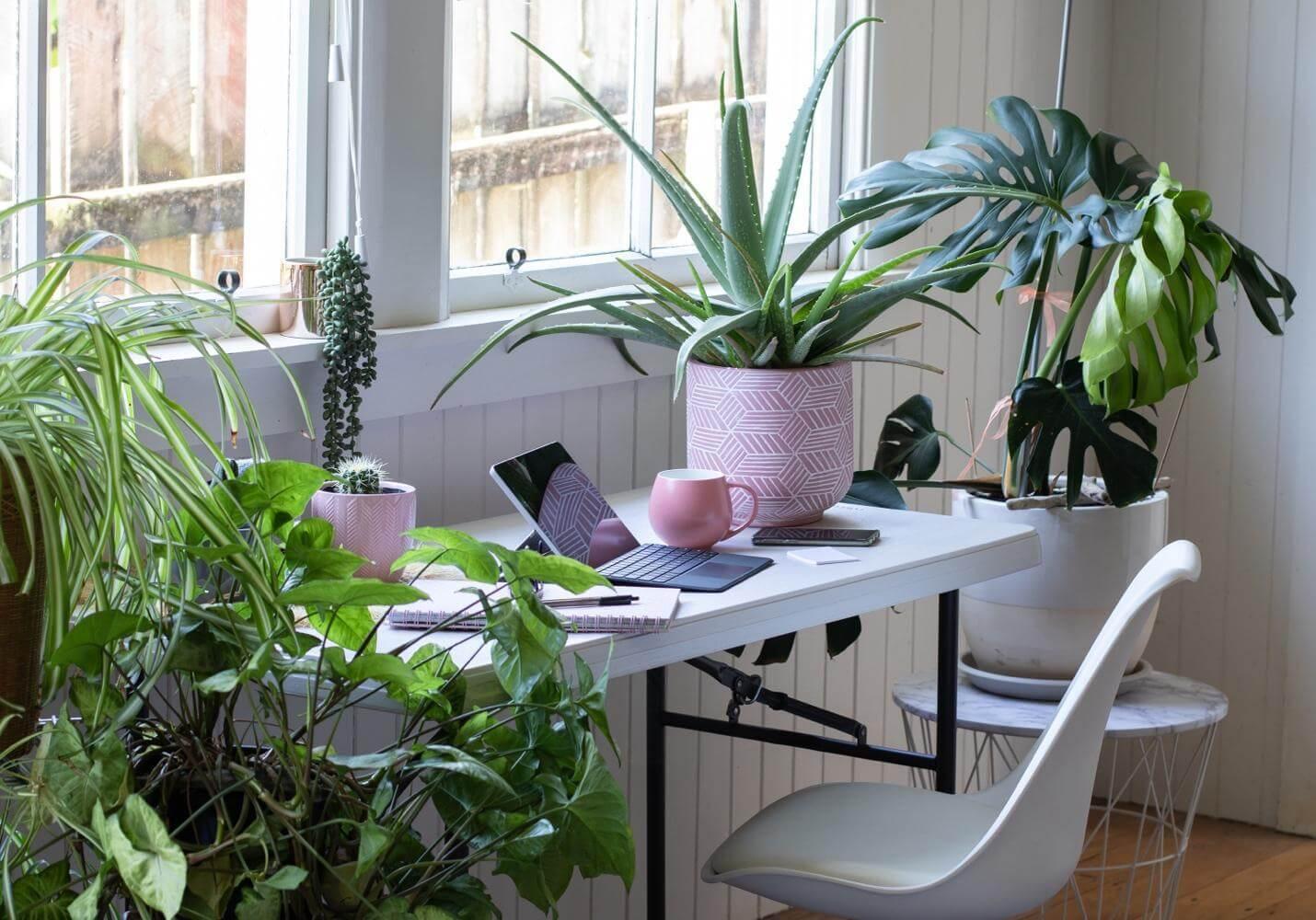
(photo credit: Microsoft Stock Images)
Let Natural Light Shape the Room
Natural light plays a major role in how a home feels throughout the day. Bright spaces often appear cleaner, larger, and more welcoming. Sunlight also creates movement through shifting shadows and changing tones, which prevents rooms from feeling static or flat.
Simple updates can improve natural light without major construction. Sheer curtains allow daylight to spread more evenly, while mirrors placed across from windows help reflect light deeper into the room. Light wall colors and uncluttered window areas also make a noticeable difference.
Rooms used most often during the day should receive the most attention. Kitchens, living rooms, and home offices benefit greatly from stronger daylight exposure because these spaces support daily routines and longer periods of activity.
Use Natural Materials to Add Warmth
Natural materials bring texture and visual balance into interior spaces. Wood, linen, stone, clay, and woven fibers create a softer atmosphere than glossy synthetic finishes. These materials also age naturally, which helps rooms feel lived in instead of overly polished.
Homeowners do not need to redesign an entire room to introduce these details. A wooden bench near the entryway, linen curtains in the bedroom, or woven baskets in a living room can shift the feeling of the space without adding clutter. Smaller changes are often easier to maintain and blend naturally with existing decor.
Combining textures also creates depth throughout a room. Smooth stone paired with soft fabrics or woven materials beside painted walls prevents interiors from feeling too flat or repetitive. These layered surfaces help spaces feel warmer and more relaxed without relying on heavy decoration.
Add Greenery With Intention
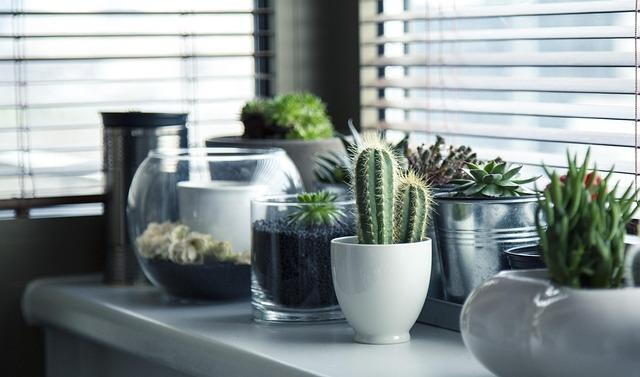
Plants are one of the easiest ways to introduce biophilic design into a home. They add movement, color, and variation while helping rooms feel calmer. Even a small amount of greenery can soften sharp corners and create visual balance throughout a space.
Placement matters just as much as the plants themselves. Instead of scattering tiny pots across every shelf, grouping plants creates a stronger focal point and keeps the room from feeling cluttered. Larger floor plants work well in empty corners, while herbs near kitchen windows add both function and texture.
Choosing low-maintenance plants can also make upkeep easier for busy households. Snake plants, pothos, and peace lilies adapt well to indoor environments and do not require constant attention. This keeps greenery practical rather than stressful for homeowners who want a simple routine.
Strengthen the Connection Between Indoors and Outdoors
Biophilic interiors often work best when outdoor views remain visible and open. Large windows naturally support this idea, though smaller design choices can strengthen the connection, too. Keeping sightlines clear helps natural surroundings feel like part of the room itself.
Nature-inspired colors create a smoother transition between indoor and outdoor spaces. Earth tones, warm greens, muted blues, and sandy neutrals often feel calming because they mirror colors commonly found outside. Landscape artwork or natural photography can support this effect without making the space feel overly themed.
Furniture placement also affects how connected a room feels. Blocking windows with oversized furniture can make interiors appear closed off and darker than necessary. Many custom home builders now include larger windows and covered outdoor spaces because homeowners increasingly want interiors that feel more open and connected to nature.
Introduce Organic Shapes and Natural Patterns
Nature rarely follows perfect symmetry. Organic shapes help soften interiors and make rooms feel more relaxed. Rounded tables, curved chairs, textured rugs, and uneven finishes add subtle variation that feels more comfortable than sharp lines alone.
Patterns inspired by leaves, flowing water, or natural stone can also support this design style. These details work best when used carefully throughout the home. A patterned pillow, textured wallpaper, or curved lamp base can introduce enough contrast to shift the atmosphere of a room without overwhelming the space.
This approach works especially well in modern interiors where straight lines and smooth surfaces sometimes create a colder atmosphere. Softer forms help balance the room and make it feel more welcoming for daily use.
Think Beyond Visual Design
Biophilic design is not limited to appearance alone. Sound, airflow, and scent also affect how comfortable a home feels throughout the day. Fresh air from open windows can reduce the heavy feeling that closed rooms sometimes develop, especially during warmer months.
Natural scents often feel lighter and cleaner than strong artificial fragrances. Cedar, eucalyptus, lavender, and citrus are common choices that create a calm atmosphere without becoming overpowering. Gentle background sounds, such as rainfall through an open window or a small indoor fountain, can also make a room feel quieter and more relaxed.
Practical Ways to Bring Biophilic Design Into Your Home
Biophilic design works best when changes feel natural and manageable. Homeowners do not need a full renovation to create a calmer atmosphere. Starting with one or two updates often leads to the best long-term results because the changes fit more comfortably into daily life.
Improving natural light, adding grouped plants, and replacing synthetic textures with wood or woven materials can noticeably shift the mood of a room. Keeping layouts open and reducing unnecessary clutter also helps natural features stand out more clearly. These smaller choices create a home that feels more balanced, comfortable, and easier to enjoy every day.
Natural design elements have lasting appeal because they connect people to familiar textures, colors, and patterns found outside. When these touchpoints are used thoughtfully, interiors feel softer, brighter, and more welcoming without requiring dramatic changes or expensive renovations. For more information, look over the accompanying infographic below.
Infographic: