A garage door may seem like a simple part of the home, but it operates through a combination of springs, tracks, rollers, seals, cables, sensors, and electrical components. When temperatures change or severe weather arrives, those parts can respond in surprisingly different ways.
Homeowners who need garage door repair in central ohio may discover that the problem is not simply age or daily wear. Heat, cold, moisture, wind, and changing humidity levels can all influence how smoothly and safely a garage door operates.
Understanding these weather-related effects can make it easier to notice developing problems before a door becomes difficult to use. Seasonal maintenance can also help reduce unnecessary strain on components and extend the useful life of the entire system.
Cold Weather Can Make Moving Parts Less Cooperative
Winter temperatures can have a noticeable effect on garage door performance, particularly when the door contains several metal components that must move together with precise alignment.
Metal naturally contracts slightly when temperatures drop. While these changes are usually small, they can affect springs, tracks, hinges, and other components that already have some wear. A door that operated normally during warmer months may suddenly begin moving more slowly, making unusual noises, or requiring additional effort from the opener.
Lubricants can also become thicker in very cold conditions. If the rollers, hinges, or springs are already poorly lubricated, colder temperatures may make their movement even less efficient. This can produce squeaking, grinding, or jerky movement.
Weather seals create another possible problem. Water near the bottom of the door can freeze, causing the rubber seal to stick to the driveway or garage floor. Attempting to force the door open while it is frozen in place can strain the opener or damage the seal.
Before opening a door that appears stuck after freezing weather, it is better to check whether ice is holding it down rather than repeatedly pressing the opener button.
Summer Heat Can Put Different Stress on the System
High temperatures bring their own challenges, particularly when the garage receives direct afternoon sunlight. Materials expand as they warm, and prolonged heat can affect both mechanical and electronic components.
Metal tracks and hardware may expand slightly during extremely hot conditions. A properly installed system usually accommodates normal seasonal movement, but existing alignment problems can become more noticeable when temperatures rise. Rollers may rub against tracks, or the door may seem less smooth than usual.
Heat can also affect the garage door opener. Garages often become significantly warmer than outdoor shaded areas, especially when they have limited ventilation. Electronics operating in consistently high temperatures may experience additional stress.
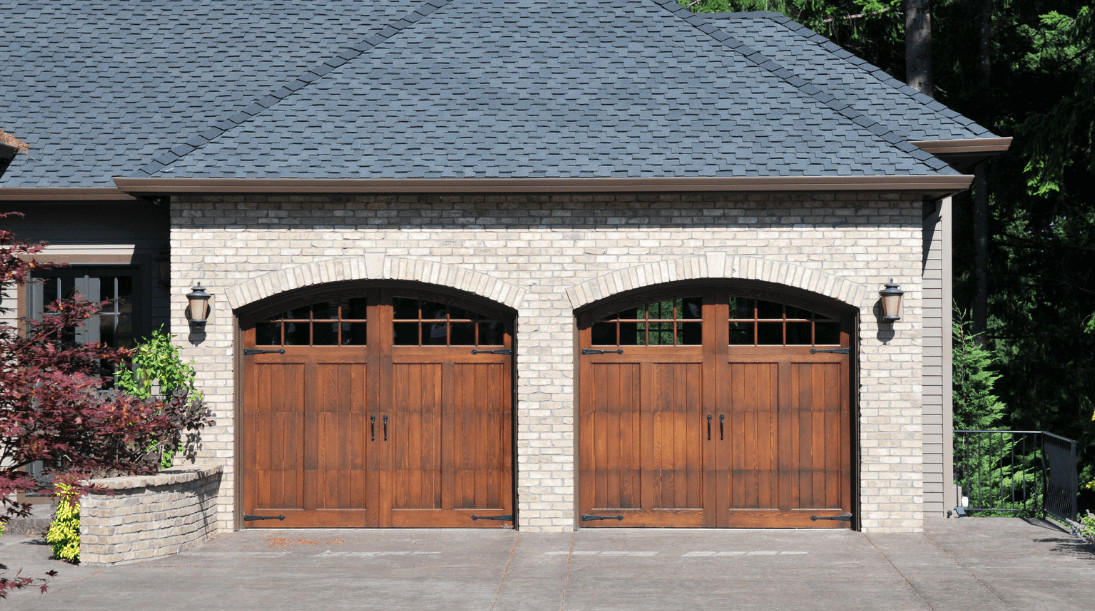
Wood garage doors require particular attention during changing weather. Heat and dryness can contribute to shrinking or cracking, while repeated cycles of moisture and drying may cause sections to warp over time. Maintaining the appropriate finish can help protect the material from these environmental changes.
Even the color of a garage door can influence how much heat it absorbs. Darker surfaces exposed to strong sunlight typically become hotter than lighter ones, which can increase thermal expansion during particularly warm days.
Rain and Humidity Can Encourage Corrosion
Water is one of the most persistent environmental threats to garage door hardware. Occasional rain is expected, but repeated exposure to moisture can gradually affect springs, cables, fasteners, tracks, and other metal parts.
Rust does not necessarily cause an immediate failure. Instead, corrosion often develops slowly. A small rust spot may eventually weaken a component or interfere with smooth movement if it is ignored for long enough.
Humidity can create similar problems even when rain does not directly enter the garage. Damp air can cause condensation on metal components, particularly when indoor and outdoor temperatures differ considerably.
Keeping the garage reasonably dry can reduce these risks. Damaged weather stripping should also be replaced when necessary because seals help prevent wind-driven rain from reaching the interior.
Drainage around the garage is important as well. Standing water near the bottom of the door can damage seals and increase moisture exposure. Over time, this can contribute to deterioration that might otherwise have been avoided.
Strong Winds Can Test the Door’s Structural Strength
Garage doors cover one of the largest openings in many homes, which means strong winds can place substantial pressure on them. The effects become especially important during severe thunderstorms or other high-wind events.
Wind pressure can push against door panels and place additional stress on tracks, brackets, hinges, and supporting hardware. If parts are loose or damaged, extreme weather may expose those weaknesses very quickly.
A door should remain fully closed during severe wind whenever possible. Leaving it partially open can create additional pressure and increase the possibility of damage.
After a major storm, homeowners can visually inspect the exterior for bent panels, loose hardware, damaged seals, or unusual gaps. If the door looks distorted or no longer travels normally, continuing to operate it may make the problem worse.
Storm debris is another concern. Branches, trash containers, outdoor furniture, and other objects can strike the door during strong winds. Even when the resulting dent looks cosmetic, the impact may affect panel alignment or movement.
Rapid Temperature Changes Can Reveal Hidden Problems
Weather does not always need to be extreme to influence a garage door. Sometimes the biggest challenge comes from frequent changes between warm and cold conditions.
Materials expand and contract repeatedly as temperatures fluctuate. Over months and years, this movement can contribute to loose fasteners, worn seals, and changing alignment. Components that are already near the end of their service life may begin showing symptoms during periods of rapidly changing weather.
Homeowners may notice that a door performs differently depending on the time of day. It might operate smoothly in the morning but become noisy after several hours of direct sunlight. During winter, the opposite can happen, with the door becoming more sluggish overnight.
These patterns can provide useful clues. Keeping track of when a problem occurs may help determine whether temperature, moisture, or another environmental factor is contributing to it.
Weather Stripping Plays a Bigger Role Than It Seems
Weather stripping does more than keep leaves and rain out of the garage. It helps create a barrier between outdoor conditions and the interior space.
A damaged bottom seal can allow cold air, hot air, water, dust, and insects into the garage. Side and top seals can also deteriorate after repeated exposure to sunlight and temperature changes.
Inspecting seals several times a year is a simple maintenance habit. Cracks, brittleness, missing sections, or visible daylight around the closed door may indicate that replacement is necessary.
Good sealing can also make temperatures inside the garage somewhat more stable. This is particularly helpful when the garage is attached to the house because extreme temperatures inside the garage can influence nearby living spaces.
Seasonal Maintenance Can Prevent Bigger Surprises
Weather cannot be controlled, but many of its effects on a garage door can be managed. Regular inspections make it easier to identify small changes before they become major mechanical issues.
Homeowners can periodically check rollers, tracks, weather seals, visible hardware, and the general movement of the door. Appropriate garage door lubricant can help certain moving components operate smoothly, while keeping tracks clean prevents debris from interfering with movement.
It is also helpful to listen. New rattling, scraping, popping, or grinding sounds should not be dismissed simply because the door still opens. Unusual noises often provide an early warning that something has changed.
Springs, cables, and other high-tension components require special caution. These parts store significant energy and can cause serious injury if handled incorrectly. Problems involving these components are generally better left to trained technicians.
A Little Weather Awareness Goes a Long Way
Garage doors operate outdoors every day, so seasonal changes inevitably affect them. Cold can stiffen movement, heat can increase expansion, moisture can encourage corrosion, and strong winds can test structural components. Over time, repeated exposure adds up.
Paying attention to how the door behaves during different seasons can help homeowners catch problems sooner. Routine maintenance, healthy weather seals, and timely professional inspections can keep the system operating more reliably regardless of what the forecast brings.
A garage door does not need to operate exactly the same way in every season, but major changes in speed, sound, alignment, or movement deserve attention. Recognizing the connection between weather and performance is one of the simplest ways to protect a door from avoidable wear and unexpected failure.