Your heating and cooling system is the hardest-working appliance in the house, and the one most people ignore until it quits. A little routine care keeps it efficient, quiet, and far less likely to fail on the hottest or coldest day of the year.
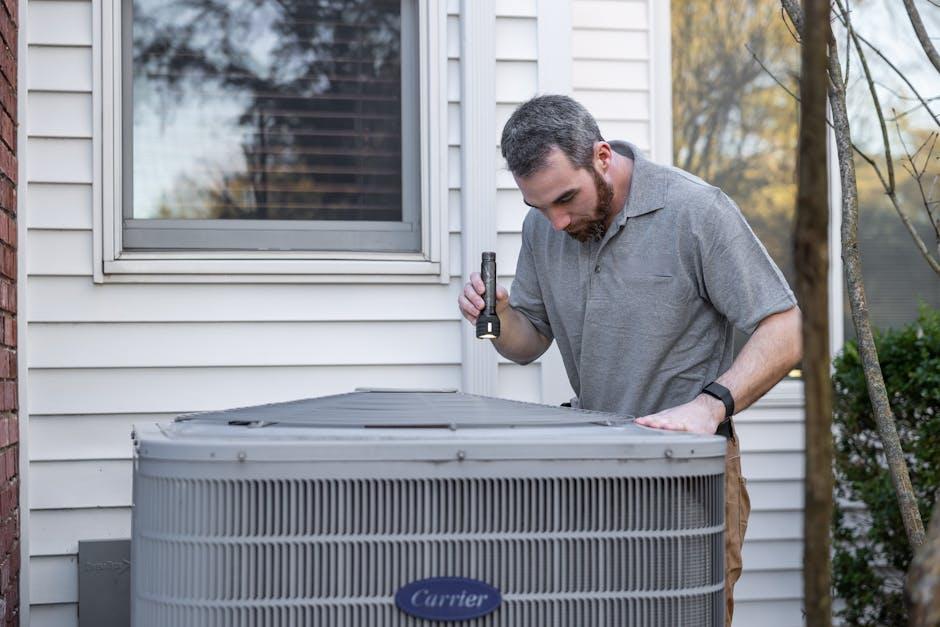
Photo by Kathleen Austin Kuhn on Pexels
Alt text: A technician servicing a home air conditioning unit
The trick is knowing what you can handle and what needs an expert. For the bigger jobs, a licensed contractor such as Origin Heating & Air, which serves the Lancaster area of California, is the safer call. This guide draws the line between the two.
Why Does HVAC Maintenance Matter So Much?
Because neglect is expensive in three different ways. A poorly maintained system runs harder, costs more to operate, and dies sooner than one that gets basic care. All three hit your wallet.
The efficiency loss is the quiet one. A clogged filter or dirty coil forces the system to work harder for the same comfort, quietly inflating energy bills month after month. You rarely notice until you compare the numbers.
Reliability is the loud one. Systems almost always fail under peak load, on the coldest night or the hottest afternoon, exactly when a contractor is busiest and an emergency call costs the most. Maintenance heads that off.
Then there is lifespan. Like any home equipment, an HVAC system that is cleaned and serviced lasts years longer than one left to struggle. Replacing it early is the most expensive outcome of all.
Which HVAC Tasks Are DIY, and Which Need a Pro?
The split is mostly about safety and refrigerant. Plenty of upkeep is genuinely homeowner-friendly, while some jobs are firmly off-limits. Here is the divide:
- Change filters (DIY). The single most valuable task, done monthly.
- Clear the outdoor unit (DIY). Keep leaves and debris well away.
- Check vents and registers (DIY). Make sure nothing blocks airflow.
- Refrigerant work (Pro). Handling refrigerant requires a license.
- Electrical and gas repairs (Pro). Leave these to a qualified tech.
The DIY tasks are about keeping air and space clean, which anyone can manage with basic tools. Having the right tools on hand makes the homeowner side genuinely easy.
The pro side is about safety and code. Refrigerant, gas lines, and electrical work carry real risks and legal requirements, so they belong to a licensed contractor. Official guidance on air conditioning systems shows why that work is regulated. Trying to save a little there can cost a lot.
How Do You Keep Heating and Cooling Costs Down?
By combining smart habits with the maintenance above. Comfort and low bills are not opposites; a few moves deliver both. The numbers make the case:
- Heating and cooling make up roughly 50 percent of a home’s energy bill.
- Replace air filters every 1 to 3 months for best performance.
- A clean filter can cut HVAC energy use by up to 15 percent.
- A well-maintained system commonly lasts 15 to 20 years.
Those gains compound over a year. A clean filter, sealed ducts, and a programmable thermostat together can shave a real chunk off energy costs without sacrificing any comfort.
Habits matter as much as hardware. Setting the thermostat back by 7 to 10 degrees while you are out, and letting a contractor tune the system seasonally, keeps everything running at its efficient best. Small adjustments, steady savings.
When Should You Replace, Not Repair?
When the math stops favoring repairs. Every system reaches a point where pouring money into an old unit no longer makes sense. The table below frames the call.
| Sign | What It Suggests |
| Age over 15 years | Nearing the end of its useful life |
| Rising energy bills | Efficiency is dropping as it ages |
| Frequent repairs | Repair costs are stacking up fast |
| Uneven temperatures | The system can no longer keep up |
| R-22 refrigerant | Older, phased-out and costly to service |
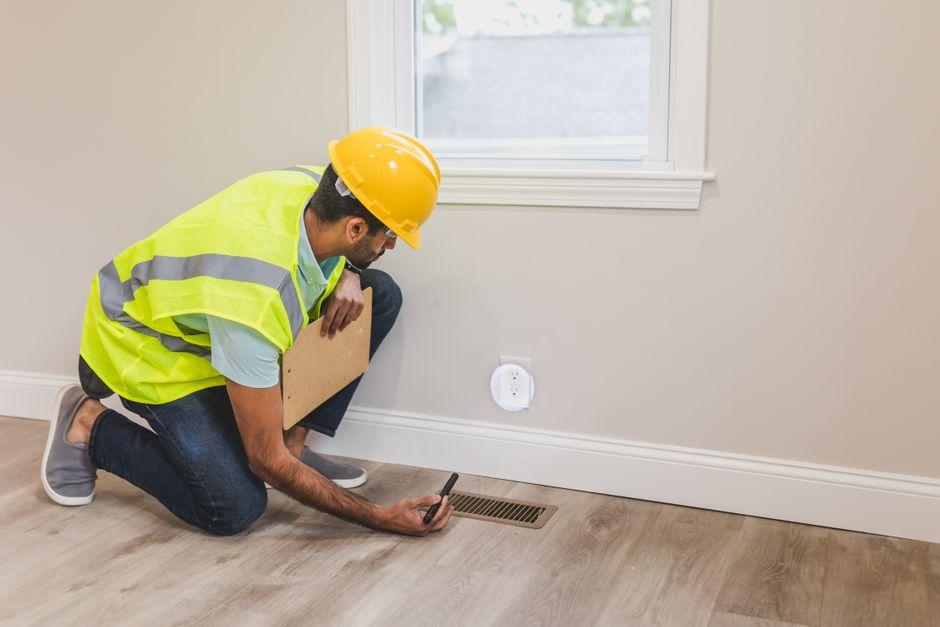
Photo by RDNE Stock project on Pexels
Alt text: A homeowner replacing an HVAC air filter
Any one of these alone may just mean a repair. Several together usually point to replacement, especially once a unit passes the fifteen-year mark and repairs grow frequent.
A trusted contractor can run the numbers honestly, weighing repair costs against a new, efficient system. Government resources on furnaces and boilers help homeowners compare efficient options. That advice is worth seeking before a failing unit forces a rushed, expensive decision in the middle of a heatwave.
Keeping Your System Healthy
- HVAC neglect raises bills, risks breakdowns, and shortens lifespan.
- Filters, airflow, and a clean outdoor unit are easy DIY wins.
- Refrigerant, gas, and electrical work belong to a licensed pro.
- Heating and cooling are about half of a typical energy bill.
- Replace, rather than repair, once a system is old and failing often.
Comfort That Lasts
A little attention goes a long way with heating and cooling. Handle the simple tasks yourself, change those filters, keep the unit clear, and the system rewards you with lower bills and fewer surprises.
Sourcing the right replacement components is easier when you have a reliable supplier for HVAC spare parts that stocks filters, motors, and
other essentials for most major systems.
Leave the refrigerant, gas, and electrical work to a licensed contractor, and call one in for seasonal tune-ups and the big replace-or-repair decisions. That balance is what keeps a home comfortable, and a budget intact, all year round.
Frequently Asked Questions
How Often Should I Service My HVAC System?
Have a professional tune-up once a year, ideally heating in autumn and cooling in spring. Between visits, change the air filter every one to three months and keep the outdoor unit clear. This simple routine catches small issues early and keeps the system running efficiently through peak seasons.
Can I Maintain My HVAC System Myself?
Partly. Homeowners can safely change filters, clear debris from the outdoor unit, and keep vents unblocked. However, anything involving refrigerant, gas lines, or electrical components requires a licensed technician. Sticking to the safe tasks and leaving the rest to a pro is the smart approach.
How Long Does an HVAC System Last?
A well-maintained system typically lasts fifteen to twenty years. Regular servicing, clean filters, and prompt repairs all extend that life, while neglect shortens it. Once a system passes fifteen years and needs frequent repairs, replacing it with an efficient model is often the more economical choice.
How Can I Lower My Heating and Cooling Bills?
Start with a clean filter, sealed ducts, and a programmable thermostat, then add seasonal professional tune-ups. Setting the thermostat back while you are away helps too. Since heating and cooling are about half of most energy bills, these steps deliver noticeable savings without reducing comfort.