In warm, humid climates, an HVAC system can work hard for much of the year. In Safety Harbor, heat, moisture, salt air, and sudden storms can all affect equipment and the comfort of the home. Higher utility bills, uneven temperatures, weak airflow, or unfamiliar noises often point to HVAC problems well before they become breakdowns. Recognizing those clues helps you decide when to arrange maintenance, request a repair assessment, or start considering replacement.
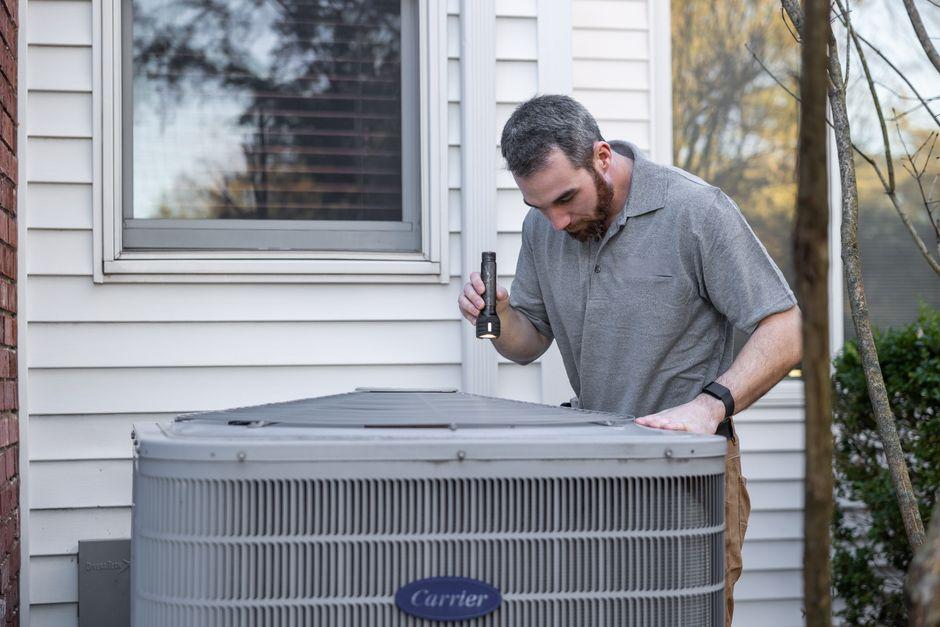
Small HVAC Problems Can Signal Bigger Issues
A system rarely becomes unreliable without giving some warning. One bedroom may stay warmer than the others, an air vent may deliver less air, or the equipment may run longer than it did last season.
Humidity adds another layer. A home can reach the thermostat’s target temperature and still feel sticky if the system is not removing enough moisture. A blocked condensate drain can also cause water to collect near the indoor unit, potentially damaging nearby materials.
Do not assume every symptom means the equipment itself is failing. For more on why some rooms never feel right even when the equipment runs, see this look at hidden HVAC problems homeowners overlook.
Before you call for service, check the simple things first. A thermostat with weak batteries or the wrong settings can make a healthy system seem unreliable, and a tripped breaker can stop the equipment from starting at all. If the breaker trips again after you reset it, do not keep resetting it. Treat that as a reason to call a qualified technician.
Local Conditions Put HVAC Equipment Under Pressure
Leaves, dirt, grass clippings, and other debris can collect around the condenser and reduce its ability to operate effectively. Coastal air may also contribute to corrosion on exposed metal components, depending on the home’s distance from the water and the equipment’s protection.
When comparing HVAC services in Safety Harbor, look for a provider who will diagnose the system rather than recommend replacement based only on age. A useful service assessment should consider airflow, drainage, electrical components, refrigerant performance, and the condition of the ductwork. Ask the technician to explain what was tested, what failed, and which repairs are necessary now.
Decide Between Repair and Replacement Carefully
Age is one factor, not the whole decision. Consider the repair estimate, equipment condition, service history, energy use, refrigerant requirements, and how reliably the system has performed.
Ask whether the fault is isolated or connected to a wider issue. Replacing a capacitor, for example, is different from addressing a compressor problem or extensive coil corrosion.
If replacement is being recommended, request a written explanation of the expected benefits, equipment options, warranty terms, and any ductwork changes. A second opinion can be sensible when the proposed work is expensive or the diagnosis is unclear.
Installation Quality Shapes Everyday Comfort
A new unit cannot compensate for poor system design. Equipment that is too large may cool the house quickly but shut off before removing enough humidity. An undersized system may run for long periods and struggle during peak heat. Incorrect refrigerant charge, poor airflow, or leaky ducts can also undermine performance.
The U.S. Department of Energy explains why proper HVAC system sizing should be based on calculated heating and cooling loads rather than rules of thumb. Ask whether the contractor will assess the home’s size, insulation, windows, duct system, and other factors before selecting equipment.
If a company specializes in a particular manufacturer, product familiarity can be useful, but it should not replace a proper load calculation and commissioning process. Confirm that the proposed model suits the home and that the installer will verify airflow and refrigerant charge after installation.
Maintenance Is More Than Changing a Filter
A maintenance visit may include inspecting electrical connections, checking the thermostat, clearing the condensate drain, examining coils, and assessing blower operation. These checks can identify developing problems before they cause a breakdown.
Homeowners should check filters regularly and replace them according to the manufacturer’s instructions and household conditions. A filter that becomes dirty quickly may indicate heavy dust, pets, construction debris, or an unsuitable filter choice. Do not install a more restrictive filter unless the system is designed to handle it.
ENERGY STAR’s air conditioner maintenance checklist explains what a professional seasonal checkup can include, from drain inspection to coil cleaning and refrigerant checks.
Pay Attention to What Changes at Home
Your observations can help identify problems that are not obvious during a brief inspection. Mention new rattling, buzzing, short cycling, unusual odors, water near the indoor unit, or rooms that no longer reach the set temperature.
If you notice a burning smell, smoke, or signs of an electrical hazard, turn the system off if it is safe to do so and seek qualified help. Do not open electrical compartments or attempt refrigerant work yourself. Refrigerant handling and electrical diagnosis require trained professionals.
Before the appointment, make sure the technician can reach the air handler, outdoor condenser, thermostat, and any accessible ductwork. Clear stored items away from equipment and note recent filter changes. If the system has a maintenance history, share invoices or previous diagnostic reports. Repeated faults may be easier to understand when the technician can compare readings and repairs over time. Ask for measurements, not just a verbal assurance that everything looks fine. Keep the written findings for future service visits.
Choose a Solution That Fits the House
There is no single HVAC answer for every property. The right decision depends on the home’s layout, insulation, duct condition, humidity load, equipment history, budget, and future plans. A targeted repair may restore dependable operation, while repeated failures or poor performance may justify replacement.
Ask clear questions: What failed? What caused it? How was the diagnosis confirmed? What condition is the rest of the system in? Will the proposed work improve reliability, comfort, or efficiency?
Keep Comfort and Reliability in Focus
An HVAC system should do more than switch on. It should distribute air properly, manage indoor humidity, and operate safely without unexplained costs or recurring problems. Pay attention to small changes, keep up with basic maintenance, and arrange a professional assessment when symptoms persist. A careful diagnosis and properly planned solution can help your home stay comfortable through demanding weather.