For many people, the question of whether buying an apartment is better than renting is treated as though it has a single, universal answer. Yet, the truth is more demanding, because the better choice depends on financial discipline, market conditions, lifestyle stability, long-term plans, and the hidden costs that are often ignored when people compare a monthly mortgage payment with a monthly rent payment. Buying can be a powerful wealth-building decision when it is made at the right time, in the right location, with realistic expectations, while renting can be the smarter financial move when flexibility, liquidity, and lower responsibility matter more than ownership.
The Real Difference Between Ownership and Renting
Buying an apartment gives a person control over a physical asset. That control can become financially meaningful because each mortgage payment gradually increases equity in the home. At the same time, the property itself may appreciate over time if the local market remains strong and demand continues to rise. Renting, by contrast, does not build ownership in the property. Still, it offers a level of freedom that should not be underestimated, especially for people whose careers, relationships, income, or preferred city may change in the next few years.
The common argument that rent is simply wasted money is too simplistic, because it fails to account for the value of shelter, convenience, predictability, and freedom from most repair obligations. In contrast, a mortgage payment buys housing and a partial investment that still comes with interest, taxes, insurance, maintenance, transaction costs, and the risk of price decline. A renter may not own the walls, but a renter may also avoid large repair bills, market exposure, and the expensive process of selling a home when life changes unexpectedly.
When Buying Becomes the Better Decision
Buying becomes clearly stronger when the buyer expects to stay in the apartment for several years, has a stable income, has enough savings for the down payment and emergencies, and understands that the purchase price is only one part of the total cost of ownership. A person searching for an apartment for sale should therefore judge the decision not only by whether the monthly mortgage looks affordable, but also by whether the building is well managed, the neighborhood has long-term demand, and the purchase still leaves enough cash available for repairs, fees, and unexpected life events.
Ownership also offers emotional and practical advantages, because buyers can renovate, customize, and settle into a home without worrying that a landlord will sharply increase rent, refuse a lease renewal, or sell the property. Over time, this stability can become one of the strongest reasons to buy, particularly for families, remote workers, retirees, or anyone who values control over their living environment more than the ability to relocate quickly.
The Hidden Costs Buyers Must Respect
The strongest case against buying is rarely the mortgage itself, because the real pressure often comes from the costs that surround ownership and slowly reduce the financial advantage people expected to gain. Property taxes, building maintenance charges, insurance, repairs, furniture, renovations, legal fees, loan fees, and closing costs can significantly increase the real monthly cost of owning an apartment, especially in older buildings or competitive urban markets where buyers may stretch their budgets to secure a desirable property.
Another major issue is liquidity: money put into a down payment cannot be used as easily for investments, education, business opportunities, medical needs, or relocation. When owners need to sell quickly, they may face agent commissions, legal costs, market delays, and the possibility of accepting a lower price, which means buying is usually strongest when the owner has time, patience, and financial resilience.
Why Renting Can Be the Smarter Choice
Renting is often better for people who need mobility, are still building savings, expect a major career change, or live in a market where property prices are extremely high compared with rents. In these situations, renting can preserve cash, reduce stress, and allow a person to invest the difference between the cost of renting and the full cost of owning, which can sometimes produce better long-term financial results than buying an overpriced apartment.
Renting also shifts many operational responsibilities to the landlord, which matters more than many first-time buyers realize. When a heating system fails, a roof leaks, a pipe bursts, or a building needs major work, renters are usually protected from the largest financial burden. At the same time, owners may have to pay directly or through increased building charges, special assessments, or emergency maintenance funds.
The Investment Question
An apartment can be a good investment, but it should not be treated as automatically superior to every alternative, because property returns depend heavily on entry price, financing terms, local demand, building quality, taxes, and future resale conditions. A buyer who purchases carefully in a growing area, avoids excessive debt, and holds the property long enough to overcome transaction costs may benefit from both housing security and capital growth.
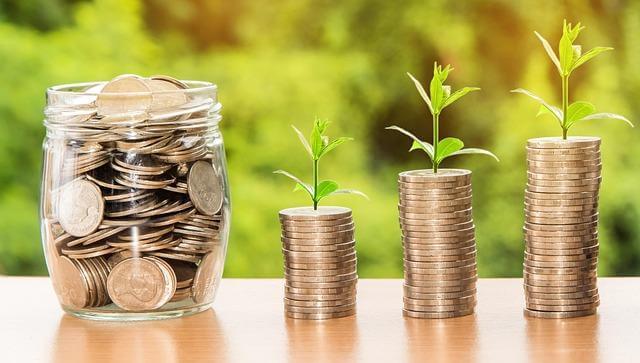
However, buying a home is not the same as buying a liquid investment, because selling property takes time and involves negotiation, documentation, market uncertainty, and meaningful costs. The best buyers understand that the apartment must first work as a home, and only then should it be expected to work as an investment.
The Best Rule for Deciding
The most reliable way to decide is to compare the full cost of owning with the full cost of renting over the period you realistically expect to stay, rather than focusing only on monthly payments. Buyers should include mortgage interest, taxes, insurance, maintenance, service charges, repairs, closing costs, and the opportunity cost of the down payment. In contrast, renters should include rent increases, moving expenses, and the possibility that they may not invest their savings consistently.
Buying is better when stability, equity growth, control, and long-term commitment outweigh flexibility and liquidity. Renting is better when freedom, lower responsibility, and cash preservation are more valuable than ownership.
FAQ: Is Buying an Apartment Actually Better Than Renting?
- Is buying always better than renting?
Buying is not always better than renting, because ownership only becomes clearly advantageous when the buyer can afford the full cost, remain in the property long enough, and avoid being forced to sell during unfavorable market conditions.
- How long should I live in an apartment before buying makes sense?
Buying usually makes more sense when you expect to stay for several years, because the longer holding period gives you more time to offset closing costs, build equity, and benefit from possible appreciation.
- Is renting a waste of money?
Renting is not a waste of money because it provides housing, flexibility, and protection from many ownership costs, though it does not build property equity.
- What is the biggest risk of buying an apartment?
The biggest risk is overextending financially, because an apartment that seems affordable at purchase can become stressful when maintenance, taxes, repairs, interest, and life changes are included.
- Who should rent instead of buy?
People who need flexibility, have uncertain income, lack emergency savings, or expect to move within a short period should usually rent until their financial and personal situation becomes more stable.