A patio that becomes unbearably hot in summer, gets battered by wind, or offers little protection from sideways rain can quickly turn into wasted outdoor space. Instead of enjoying your backyard whenever you like, you end up planning around the weather. Creating a four season patio means having a space that adapts to changing conditions, and the right design choices can make that possible.
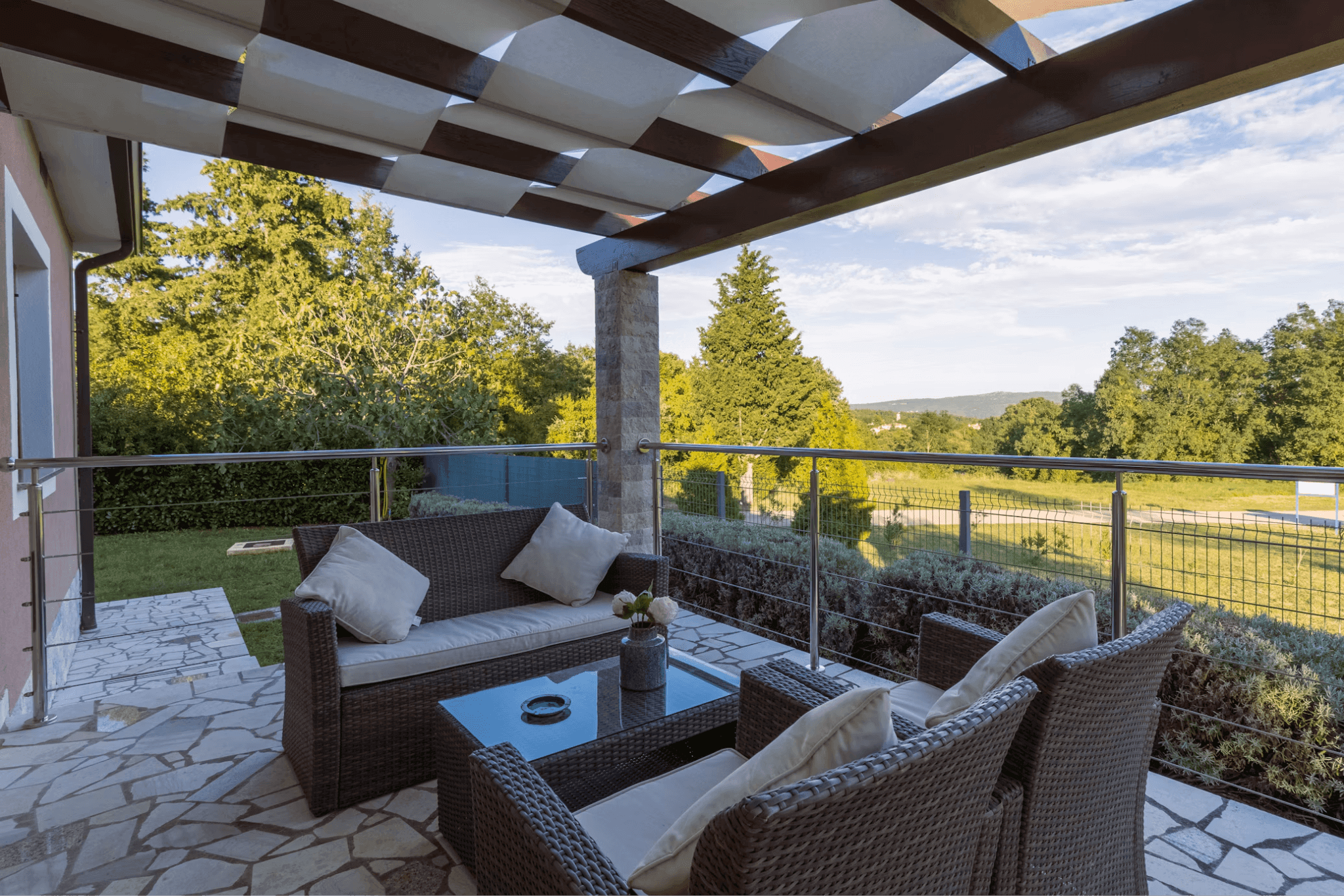
Image Credit: Unsplash
The Limits of Standard Shade Structures
A fixed roof, pergola, or basic awning provides useful overhead cover, but weather rarely arrives from directly above. Low morning sun can shine beneath the roofline, while late-day glare may hit the patio from the opposite side. Rain also blows sideways during windy conditions, making year-round outdoor comfort dependent on more than overhead shade.
Before adding more cover, watch how sunlight moves across the area at several points during the day. A formal patio shade study can help identify seasonal sun angles and spots that need extra protection. Also check where water collects after rain and note which seats become uncomfortable first. These observations help you choose upgrades based on actual conditions instead of guesswork.
Managing Temperature Swings Naturally
Shade the surfaces that absorb the most heat, including dark paving, masonry walls, and metal furniture. Retractable screens can block harsh sunlight during the hottest hours, then open when you want winter warmth or better airflow. For Perth homeowners, custom outdoor blinds can be measured and installed to suit the patio’s specific openings.
Air movement matters too. Leave room for cross-ventilation and avoid crowding the patio perimeter with solid storage units. Practical backyard cooling ideas include overhead fans, planted shade, and lighter surface colors. During cooler months, outdoor rugs and removable seat cushions can make the area feel warmer without permanently closing it in.
Shade alone will not keep a patio comfortable once the evenings cool down. Patio heaters, fire pits, and outdoor fireplaces each warm a space differently: a heater lifts the temperature around a seating group, while a fire pit gives people a place to gather. Keep any heat source clear of fabric panels and overhead structures, and follow the manufacturer’s guidance on placement and ventilation.
Blocking Wind and Sudden Showers
Start by identifying the direction from which bad weather usually arrives. One exposed side may cause most of the trouble, so enclosing every opening could reduce airflow without delivering much extra comfort. Adjustable side protection lets you respond to changing conditions while keeping the patio open on pleasant days.
Drainage deserves equal attention. Check that roof runoff moves away from seating areas and that fabric panels don’t sit in pooled water. If rain regularly splashes across the floor, a small gutter adjustment or improved edge drainage may solve the problem. Secure lightweight planters, lamps, and decorative objects before windy weather. Furniture placement can also help, with heavier pieces positioned along the most exposed edge to create a more sheltered center.
Choosing Weather-Resistant Materials for a Year-Round Patio
Outdoor materials face sunlight, moisture, dirt, and repeated temperature changes, so appearance should never be the only deciding factor. Look for UV-resistant fabrics, corrosion-resistant hardware, and finishes designed for exterior use. In coastal areas, salt in the air can accelerate wear on untreated metal components.
Ask how each product should be cleaned and how easily moving parts can be serviced. A system that requires special treatment every few weeks may become frustrating over time. Inspect stitching, tracks, brackets, and fasteners at the start of each season. Wash away dust with the method recommended by the manufacturer and clear leaves from drainage channels. Catching a loose fitting or blocked track early is usually easier than repairing damage after a storm.
Using Your Four Season Patio Every Month
A four-season patio should adapt without requiring a long setup each time the weather changes. Keep frequently used items close at hand, such as washable throws in a weatherproof box and adjustable lighting for shorter winter days. Choose furniture that can be moved easily when you need more airflow, extra shade, or space for guests.
Small comfort details often determine how regularly the patio gets used. Add task lighting near a grill or serving area, place seating away from drips along the roof edge, and leave clear paths to the house. Then test the space during different conditions. A sunny afternoon, cool evening, and rainy morning will reveal more than a single inspection. When each adjustment takes only a minute or two, the patio becomes a practical part of the home every month.