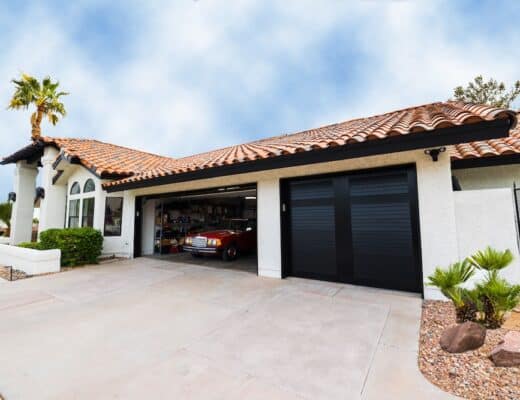
A truly high-end renovation isn’t about adding expensive finishes to an existing structure. It begins with decisions made long before a wall is opened or a new tile is laid. The quality of a luxury renovation is built into the planning, structural work, integrated systems, and custom elements that help the home function well and feel refined. Much of what separates an ordinary renovation from a high-end one is not immediately visible; it is found in how carefully the home is planned, built, and coordinated.
Why a Luxury Renovation Starts Long Before Construction Begins
Think of a luxury home like a custom-tailored suit. The fabric might be exceptional, but if the cut is wrong, it will never feel right. In the same way, a high-end renovation starts with careful planning of the layout, infrastructure, and construction details before work begins.
This early phase gives the design and construction teams time to resolve conflicts, confirm dimensions, and make decisions before they become expensive to change on site. Rushing through planning can force compromises later and make even costly finishes feel less considered.
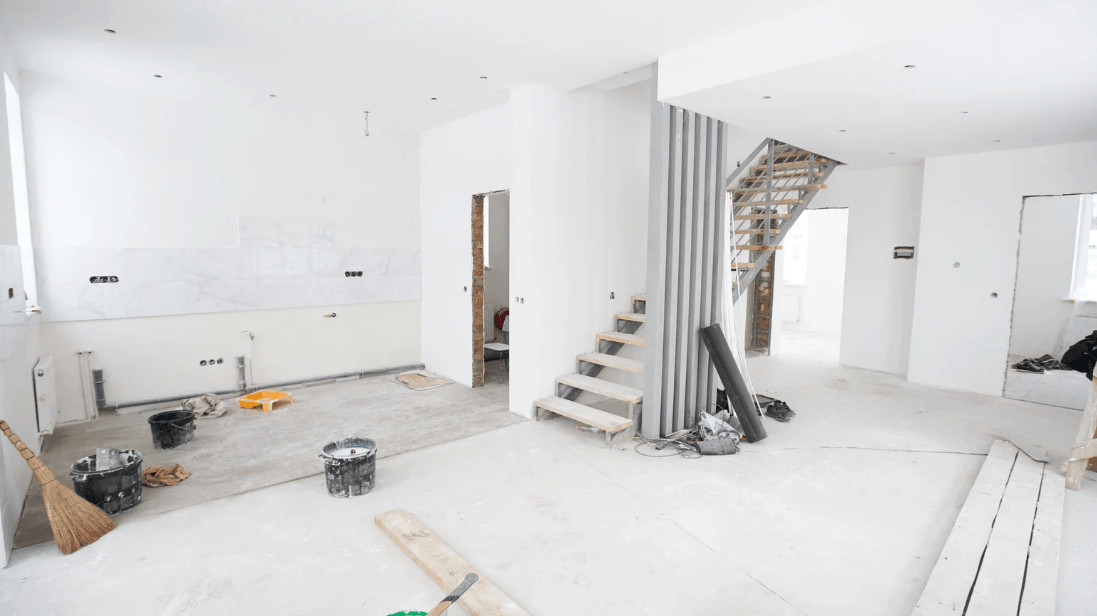
Designing the Layout Around How the Home Will Actually Be Used
A luxury home is a living space, not a showroom. The layout should reflect the occupants’ daily routines, preferences, and long-term needs rather than rely on a generic floor plan. Consider a kitchen, for example. A serious home cook may need distinct work zones, generous prep space, and room for larger appliances.
A family may instead prioritize a wide island, durable surfaces, easy circulation, and space for homework or casual meals. Those different uses call for different layouts, storage strategies, and traffic patterns. The same principle applies to bathrooms, living areas, bedrooms, and hallways. A strong layout anticipates movement, supports different activities, and creates privacy where it is needed.
Why Detailed Planning Matters More Than Expensive Materials
High-quality materials can contribute to a luxury renovation, but they cannot compensate for poor planning. Expensive marble countertops will not make a kitchen work well if the layout is inconvenient, lighting is poorly located, or appliances interfere with circulation.
Detailed planning includes accurate measurements, structural considerations, electrical and lighting layouts, plumbing routes, equipment locations, and installation requirements. Resolving those details before construction can reduce avoidable change orders, limit rework, and make execution more predictable. The goal is not simply to spend more, but to make coordinated decisions early enough that the finished home works as intended.
Bringing Design and Construction Together From the Beginning
A common renovation problem is a disconnect between the design team and the construction team. A designer may develop a strong concept, but if the contractor and key trades are brought in too late, practical conflicts can appear during construction.
Early collaboration allows the team working on a home remodel to review dimensions, structural needs, product lead times, mechanical and electrical requirements, installation sequencing, and budget implications before work is underway. It also gives the contractor a chance to identify constructability issues while changes are still easier to make. In a high-end renovation, the design should be ambitious, but it also needs to be buildable, coordinated, and clearly documented.
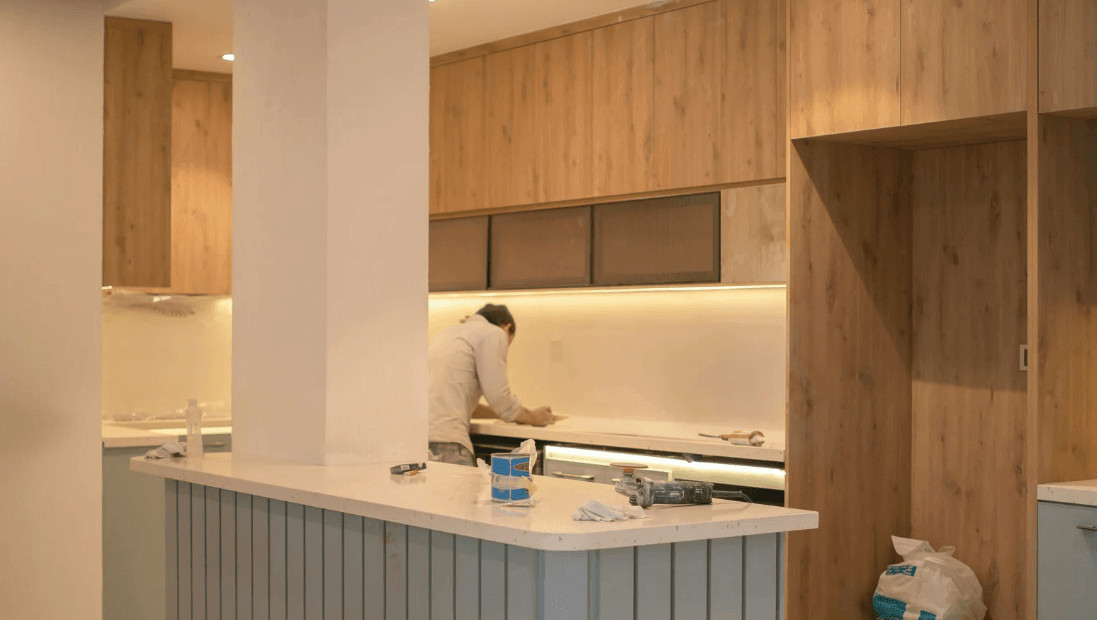
What Makes Custom Millwork, Cabinetry, and Built-Ins Feel Truly High-End
Custom millwork, cabinetry, and built-ins can distinguish a luxury home because they are designed for the dimensions, architecture, and intended use of a specific space. Their value is not limited to appearance; it also comes from fit, storage efficiency, durability, and integration with surrounding finishes.
High-quality custom pieces should account for hardware, internal storage, appliance clearances, lighting, charging needs, service access, and the way doors and drawers operate. Good detailing can conceal necessary components without making them difficult to reach and can align cabinetry cleanly with walls, ceilings, trim, and adjacent materials. The result should feel like part of the architecture rather than a collection of added furniture.
Planning Lighting, Electrical, and Technology Before the Walls Are Closed
Lighting, electrical, and technology planning can have a major effect on how a renovated home functions every day. A thoughtful lighting plan usually combines ambient, task, and accent lighting instead of relying on a single overhead fixture. That makes it easier to support different activities and create different levels of brightness in the same room.
Electrical outlets, data connections, controls, and smart-home components are also easier to coordinate before drywall is installed. Early planning can help place power and data where they are actually needed, reduce visible cords and later retrofits, and allow the electrical design to account for anticipated equipment loads. U.S. Department of Energy guidance on home electrification emphasizes evaluating a home’s electrical load and service capacity when adding new equipment because a panel or circuit upgrade may be needed if existing capacity is insufficient. It cannot eliminate future technology changes, but it can give the home more flexibility as needs evolve.
Choosing Materials for Performance, Longevity, and Timeless Appeal
Material quality is not measured by price alone. A high-end renovation should use materials that are appropriate for the location, expected wear, maintenance level, and installation conditions. A beautiful surface that stains easily, moves excessively, or requires unrealistic upkeep may be a poor choice for a heavily used space.
Longevity also depends on how a material is detailed and installed. Homeowners should consider durability, repairability, moisture exposure, cleaning requirements, compatibility with adjacent materials, and whether replacements will be difficult to source. A timeless result usually comes from choosing materials that suit the home’s architecture and daily use rather than simply following a short-lived trend.
The Behind-the-Walls Upgrades That Can Define Renovation Quality
Some of the most important renovation decisions are hidden after construction is complete. Insulation, plumbing, electrical systems, HVAC equipment, waterproofing, and structural work can all affect comfort, reliability, efficiency, and long-term maintenance.
The U.S. Department of Energy states that insulation can improve comfort and that air sealing can reduce heating and cooling costs while improving comfort and durability. EPA WaterSense notes that household leaks can result from factors including irregular water pressure and incorrect installation, and its home-maintenance guidance explains that service pressure affects fixture performance.
Department of Energy guidance on residential HVAC renovations explains that zoning can provide separate heating and cooling control to different areas while also requiring attention to system efficiency and balance. Structural reinforcement, sound attenuation, and waterproofing in wet areas should be addressed according to the needs of the project. These measures do not guarantee perfect performance, but careful planning and installation can reduce avoidable problems after the walls are closed.
How Skilled Craftsmanship Turns Good Design Into a Luxury Finish
Even a strong design and excellent materials can be undermined by poor installation. Skilled craftsmanship is what turns drawings, specifications, and materials into work that looks intentional and performs properly.
Homeowners can often see quality in the consistency of joints, alignment of trim and cabinetry, flatness of tile, accuracy of reveals, smoothness of finishes, and clean transitions between materials. Good tradespeople also understand tolerances, sequencing, substrate preparation, and how one installation affects the next. Luxury workmanship is not simply decorative perfection; it is disciplined execution that supports both appearance and durability.
Creating a Finished Home That Feels Cohesive Rather Than Overdesigned
A luxurious home usually feels composed rather than crowded with expensive features. Cohesion comes from using a consistent design language while allowing individual rooms to serve different functions. Colors, textures, proportions, and architectural details should relate naturally from one space to the next.
Execution matters just as much as selection. Built-ins should meet surrounding surfaces cleanly, tile lines should be consistent, paint and wood finishes should be even, and transitions between flooring materials should feel deliberate. Doors and drawers should operate smoothly, hardware should align, and details should feel resolved rather than improvised.
When those elements work together, the home feels intentional instead of assembled from unrelated premium products. That sense of ease is created by coordinated design and careful installation, not by price tags alone.
Frequently Asked Questions
What makes a renovation feel truly high-end?
A high-end renovation depends on more than expensive finishes. Careful planning, a functional layout, coordinated building systems, quality materials, custom details, and skilled installation all contribute to a home that feels refined and works well.
Why should design and construction teams collaborate early?
Early collaboration helps the team review dimensions, structural needs, product lead times, electrical and mechanical requirements, installation sequencing, and budget considerations before construction is underway. It can also help identify practical conflicts while changes are still easier to make.
What should homeowners consider when choosing materials for a luxury renovation?
Homeowners should consider how a material will perform in its intended location, including durability, maintenance, moisture exposure, repairability, cleaning requirements, installation conditions, and compatibility with surrounding materials.
Why should lighting, electrical, and technology be planned before walls are closed?
Planning these systems early makes it easier to place lighting, outlets, data connections, controls, and smart-home components where they are actually needed. It can also reduce visible cords and later retrofits while allowing the electrical design to account for anticipated equipment loads.
How can homeowners recognize skilled craftsmanship in a finished renovation?
Quality craftsmanship can often be seen in consistent joints, aligned trim and cabinetry, flat tile installations, accurate reveals, smooth finishes, clean material transitions, properly aligned hardware, and doors and drawers that operate smoothly.