Insulation is one of those home components that’s completely invisible day to day, which is exactly why under-insulation goes unnoticed for years. There’s no dramatic failure, no obvious sign like a leak or a cracked pipe. Instead, it shows up as a collection of smaller, easy-to-dismiss symptoms that quietly add up to real money every single month.
Uneven Temperatures Between Rooms
One of the clearest signs of insufficient insulation is a noticeable temperature difference between rooms, particularly between a main living area and a room at the far end of the house, above a garage, or in an attic conversion. If your bedroom is consistently colder in winter or hotter in summer than the rest of the house, insulation, or lack of it, in that specific area is a common culprit.
High Energy Bills That Don’t Match Usage
If your heating and cooling bills feel disproportionately high compared to homes of a similar size in your area, or compared to your own bills from a few years ago without a clear reason for the increase, insulation is one of the first things worth investigating.
A home that’s losing conditioned air through poorly insulated walls, attic space, or floors forces the HVAC system to run longer and harder to maintain the same comfort level, and that shows up directly on the utility bill.
Ice Dams Forming Along the Roofline
Ice dams, the ridges of ice that build up at a roof’s edge, are often blamed entirely on roofing or gutter problems, but they’re frequently a symptom of inadequate attic insulation. When heat escapes from the living space into the attic and warms the underside of the roof deck unevenly, it melts snow on the upper roof while the eaves stay cold. That meltwater refreezes at the edge and can back up under shingles. If ice dams are a recurring issue, attic insulation is worth investigating alongside the roof itself.
Drafts You Can Feel, or Ones You Can’t
Obvious drafts around windows and doors get attention, but under-insulation often creates less obvious drafts, cold air seeping through electrical outlets, along baseboards, or through attic access points. These are harder to notice directly but contribute just as much to overall heat loss as a drafty window.
A Home That Feels Stuffy or Damp
Insulation and moisture management are more connected than people realize. Poorly insulated walls and attics can allow condensation to form where warm, moist indoor air meets cold surfaces, which can contribute to a stuffy feeling, musty odors, or in more serious cases, mold growth in wall cavities or attic spaces.
What Under-Insulation Actually Costs Over Time
The cumulative cost of under-insulation isn’t limited to a slightly higher monthly bill. Over years, an HVAC system that’s constantly working harder than it should tends to wear out faster, which means more frequent repairs and earlier replacement than a system in a properly insulated home would need.
The energy waste itself, multiplied across every heating and cooling season a home goes without addressing the problem, often adds up to a meaningful multiple of what proper insulation would have cost to install in the first place.
Where Insulation Gaps Most Commonly Show Up
A few areas are disproportionately likely to be under-insulated in older or poorly built homes:
- Attics, especially if insulation has settled, compressed, or been disturbed by previous work like electrical or plumbing access
- Rooms above garages, since garages are unconditioned space and the floor separating them from living space is easy to under-insulate
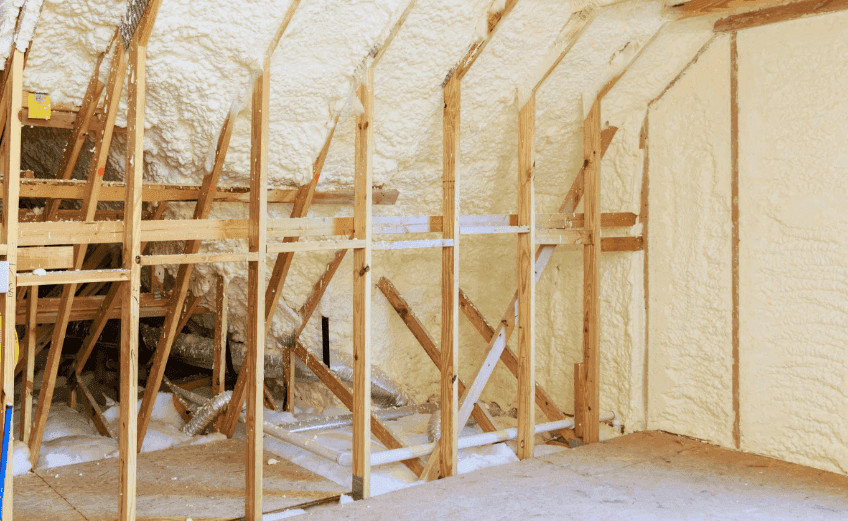
- Knee walls in finished attic spaces, a commonly overlooked area in attic conversions
- Rim joists and basement ceilings, particularly in older homes built before this was standard practice
Getting an Accurate Picture of Where Your Home Stands
Because insulation problems are invisible without specialized inspection, guessing which areas need attention rarely gives the full picture. Insulate your home with Hometown Insulation, starting with an actual assessment of where your home is losing energy, rather than assuming the fix is as simple as adding more material without knowing where it’s actually needed.