When most homeowners think about winter storm preparation, they picture stocking up on batteries, checking flashlights, and making sure the snow shovel is easy to find. While those essentials still matter, modern winter preparedness extends beyond the physical items in your emergency kit. Today’s connected homes require a broader approach that includes planning for power outages, remote monitoring, and staying informed during severe weather.
Start With Your Home’s Weakest Points
Before the first major storm arrives, take a walk around your property and identify potential trouble spots.
Check for loose gutters, overhanging branches, damaged roof shingles, and cracks around doors or windows. Small issues can quickly become expensive repairs when exposed to snow, ice, and strong winter winds.
Addressing vulnerabilities early can help reduce the risk of emergency maintenance during harsh conditions.
Don’t Overlook Backup Power
Power outages remain one of the most common consequences of winter storms.
Even if you don’t have a whole-home generator, consider keeping portable power banks charged and ready. These can help keep phones, tablets, and other important devices operational when electricity is unavailable.
Having multiple charging options provides additional peace of mind during extended outages.
Create a Winter Communication Plan
Severe weather can disrupt travel and communication networks.
Make sure family members know how to contact one another if plans change unexpectedly. Keep important phone numbers written down rather than relying entirely on digital storage. If internet service is interrupted, a simple printed contact list can be invaluable.
Protect Smart Home Systems
Many homeowners now rely on smart cameras, connected thermostats, video doorbells, and automated lighting.
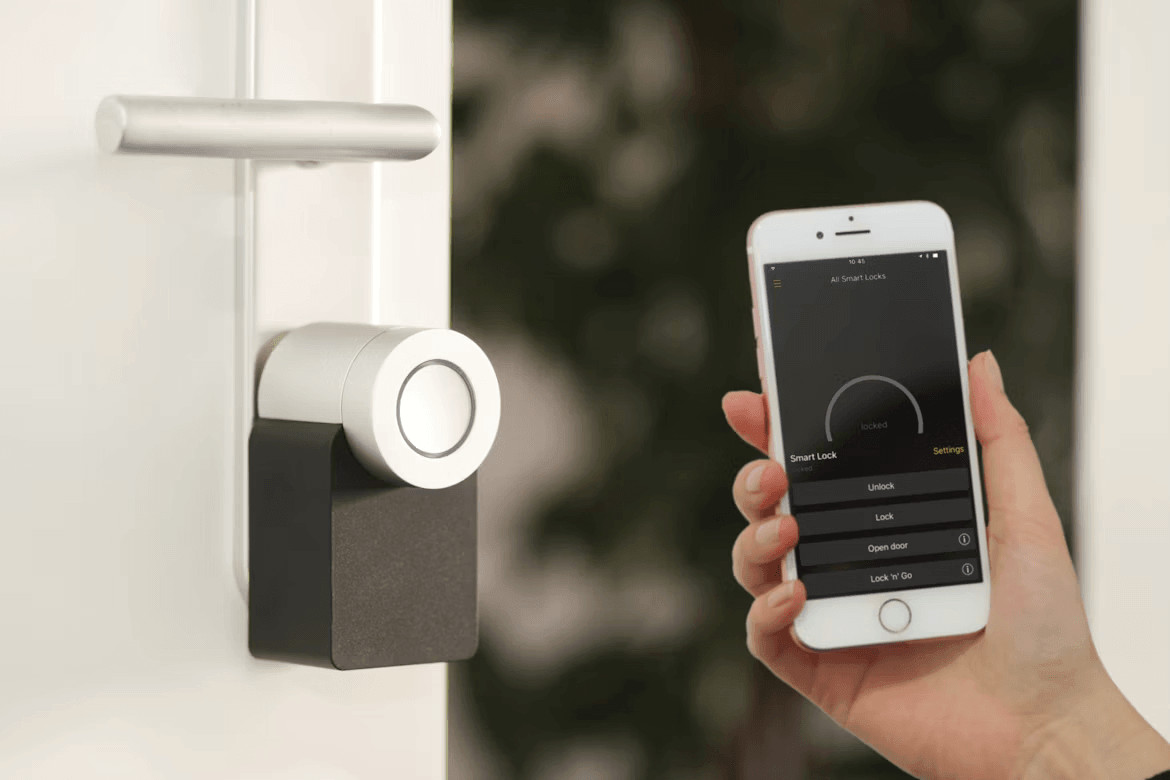
Before winter arrives, verify that these systems are functioning properly and that backup settings are configured where available. A disconnected camera or malfunctioning thermostat is usually discovered at the worst possible time.
Testing devices in advance helps ensure they remain useful when weather conditions deteriorate.
A Digital Winter Checklist
Consider reviewing:
- Smart thermostat settings
- Camera notifications
- Wi-Fi backup options
- Emergency contact information
- Device battery levels
A few minutes of preparation can prevent unnecessary stress later.
Secure Access When Away From Home
Winter storms don’t always arrive when you’re sitting comfortably at home. Many homeowners travel during the holiday season or spend time away for work and family commitments.
If you’re checking security cameras, adjusting smart home settings, or monitoring weather-related alerts while connected to public Wi-Fi, using a VPN for iPhone can add an extra layer of privacy. It’s a simple step that helps protect your connection while managing home-related tasks remotely.
Make Supplies Easy to Reach
Emergency supplies are only useful if you can access them quickly.
Store flashlights, blankets, bottled water, batteries, and first-aid supplies in an easily accessible location. Avoid placing important items in areas that could become difficult to reach during a power outage or severe weather event.
Think Beyond the Storm
Preparation isn’t just about surviving a storm. It’s about making recovery easier afterward.
Keep documentation for insurance purposes, save emergency service contacts, and take photos of your property before winter begins. These small actions can simplify the recovery process if damage does occur.
Final Thoughts
Winter storm preparedness has evolved alongside the modern home. While traditional essentials remain important, today’s homeowners also need to consider connected devices, communication plans, backup power, and digital security. By preparing both your home and your technology, you’ll be better equipped to handle whatever winter weather brings.