Every new homeowner eventually asks the same question: should renovations happen before moving in or after settling in first? The honest answer is that it depends on the room, not the whole house. Treating “renovate first” or “live in it first” as an all-or-nothing decision usually leads to either unnecessary delays or renovations that drag on for years because nobody wants to deal with contractors around their furniture.
A room-by-room approach makes the decision much easier.
Rooms That Should Almost Always Come First
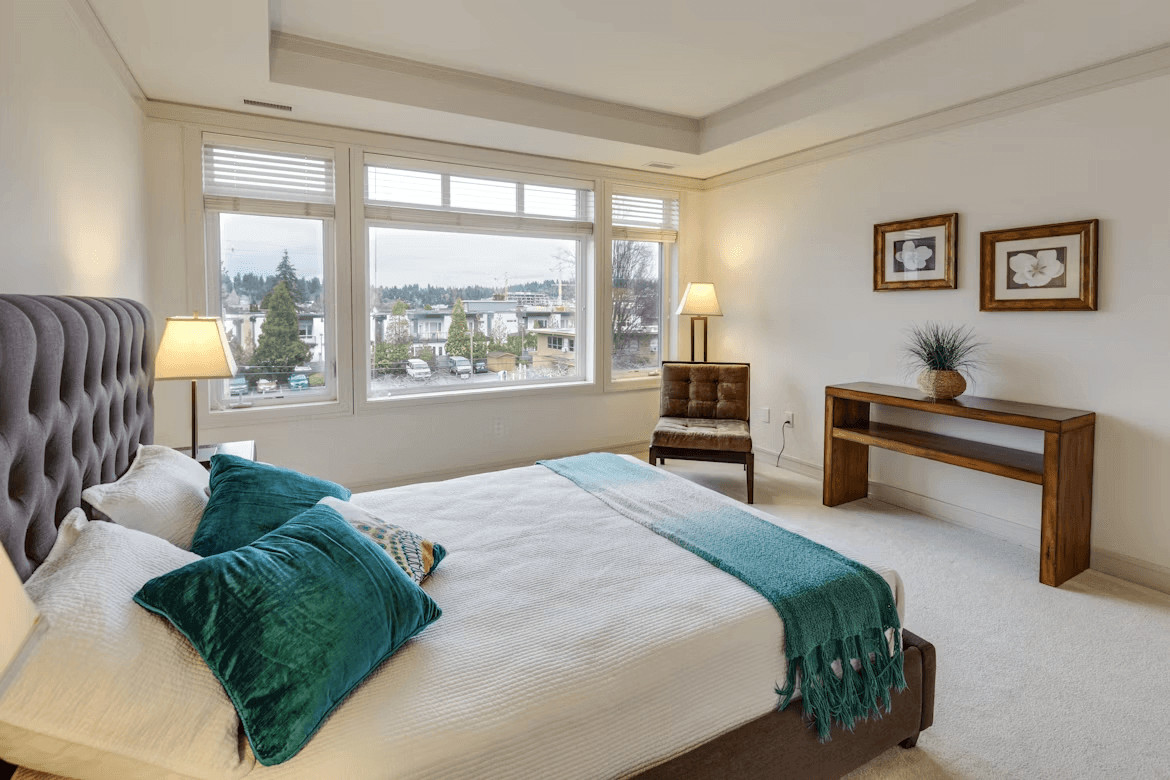
Some renovations are disruptive enough that doing them with furniture and belongings already in place turns a manageable project into a stressful one. Flooring is the clearest example. Refinishing hardwood or installing new flooring in an empty house takes a fraction of the time it takes around furniture, and the finish quality is noticeably better without furniture legs and boxes in the way.
Paint falls into the same category, especially for larger rooms or ceilings. An empty room can be painted in a single day. The same room with furniture pushed to the center and covered in plastic takes longer and rarely gets the same clean result along edges and corners.
Anything involving significant dust or debris, like removing walls, refinishing cabinets, or major electrical work, is also easier to manage before belongings arrive. Dust from construction settles into fabric, drawers, and vents, and cleaning it out after the fact is far more work than protecting an empty space during the project.
Rooms Where Living in the Space First Actually Helps
Kitchens and bathrooms are usually the rooms people are most eager to renovate immediately, but they are also the rooms where living in the space first pays off. A kitchen layout that looks inconvenient on paper might work fine once you understand how you actually cook and move through the space day to day. A bathroom renovation planned before you have lived with the existing layout risks solving a problem that was never actually there while missing one that only shows up with daily use.
The same applies to any addition or major layout change. Living in a home for a season, sometimes even through a full year, reveals how light moves through rooms, where storage actually falls short, and which walls genuinely feel like they are in the way versus which ones just look outdated. Renovating too early, before that information exists, tends to produce renovations that need to be reconsidered a few years later.
Budget Reality Usually Makes the Decision Anyway
Beyond the practical logistics, budget often settles the debate. Closing costs, moving expenses, and the general cost of settling into a new home leave many buyers with less renovation budget than they expected at the start of the process. Prioritizing the disruptive, high-value renovations, flooring, paint, structural work, while deferring the cosmetic or exploratory ones, like a kitchen remodel, is often the financially realistic version of the room-by-room approach anyway.
Coordinating the Move Around the Work
For homeowners doing pre-move-in renovations, timing the actual move to happen after the disruptive work is finished makes the entire process smoother. Moving furniture into a home mid-renovation means protecting it from dust and construction traffic, which adds cost and risk that is easy to avoid with better sequencing.
This is where planning the moving timeline separately from the closing date is worth the extra coordination. Movers USA works with homeowners regularly who close on a home weeks before they actually move belongings in, specifically to allow time for flooring, paint, or other pre-move work to finish first. Building that buffer into the schedule from the start avoids the common scenario of a moving truck showing up the same week contractors are still finishing trim work.
Let the Room Decide, Not a Rule
There is no universal right answer to renovate-first versus live-in-first. The rooms that benefit from being empty, flooring, paint, structural changes, are worth prioritizing before move-in. The rooms that benefit from lived experience, kitchens, bathrooms, layout changes, are usually better served by waiting. Making that distinction room by room, rather than applying one rule to the entire house, leads to renovation decisions that actually hold up over time.