Most renovations begin with a vision. It might be a more functional kitchen, a brighter bathroom, or a layout that finally suits the way you live. What tends to get less attention is everything happening behind the scenes: the planning, the scheduling, the coordination, and the condition of the site while the work is in progress.
That side of the project matters just as much as the finished result. When the early decisions are thoughtful and the work is properly managed, the entire renovation tends to run more smoothly.
Good outcomes come from more than attractive materials and strong design choices. They come from clear communication, solid preparation, and a process that holds together once construction begins.
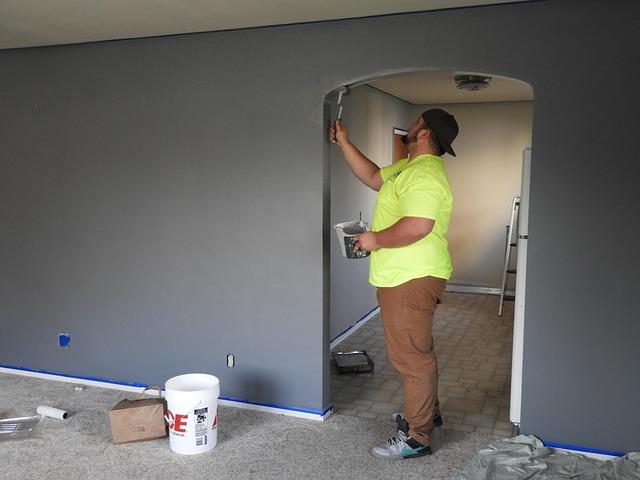
Start With a Clear Renovation Plan
A successful renovation starts with clarity. Before you compare materials or request quotes, take time to define what you want the project to achieve and which priorities matter most. That groundwork makes later decisions easier and helps keep the project focused.
Your budget should be realistic from the start. Renovations often uncover problems once work begins, especially in older homes, so it helps to leave room for the unexpected. The same goes for timing. A schedule that looks good on paper can quickly fall apart if it is too ambitious, and rushed work often leads to avoidable mistakes.
It also helps to think in stages. Demolition, structural work, installation, and finishing all connect, and delays in one phase can affect everything that follows. Taking a practical approach to planning a home renovation project can help you make stronger decisions early and set the tone for the rest of the job.
Choosing the Right Contractor and Team
The team you hire can shape the entire experience. A strong contractor brings more than technical skill. They bring organization, consistency, and a clear process that keeps the project moving in the right direction.
Start with the basics, including licensing and insurance, but do not stop there. Ask how the team handles scheduling, who will be on-site each day, how updates are communicated, and what happens when changes come up. Those answers often tell you more than a portfolio ever will.
It is also worth paying attention to how they talk about the work itself. A contractor who can explain the order of operations, define responsibilities, and set realistic expectations usually runs a steadier project. When the process is clear from the beginning, there is less room for confusion once construction is underway.
Understanding the Worksite Environment
Once the work begins, your home becomes an active job site. Even a small renovation can involve exposed wiring, stacked materials, dust, sharp tools, and rooms that suddenly become difficult to access. That shift can feel more disruptive than many homeowners expect.
You do not need to oversee every step, but you should understand the basics of what is happening. Ask when the more complex phases will take place, which spaces will be off-limits, and how the crew plans to manage storage, cleanup, and daily movement through the home. That becomes even more important if you are living in the space during the renovation.
A well-run site usually looks organized. Materials are stored with care, pathways stay clear, and work areas feel defined rather than messy. Those details may seem small, but they often reflect the overall quality of the project and the level of attention being given to the work.
Why Safety Should Be Part of Your Renovation Plan
Safety affects far more than the chance of an accident. It influences how efficiently the work moves, how well the rest of the home is protected, and how much stress the project creates along the way. When a site is organized and properly maintained, the renovation usually feels more manageable from start to finish.
Simple precautions make a real difference. Clear work zones, proper handling of tools and materials, and regular cleanup all help prevent problems that can slow the job down or create unnecessary damage. When those habits slip, even straightforward tasks can turn into setbacks.
That same mindset should extend beyond the immediate work area. Small measures, such as protecting your home during a remodel, can help contain dust, debris, and disruption before they spread throughout the rest of the house. When safety is built into the plan rather than an afterthought, the entire renovation tends to feel more controlled.

When Renovation Projects Don’t Go as Planned
Even a well-planned renovation can run into trouble when work is rushed or the site is poorly managed. If hazards are ignored, responsibilities are unclear, or corners are cut, the impact can go beyond scheduling problems and repair costs.
These situations do not always begin with one major mistake. More often, they grow out of smaller issues that are left unaddressed. A cluttered work area, inconsistent oversight, or weak communication can gradually create bigger problems that affect both the project and the people involved.
When an avoidable injury occurs during a renovation, a construction site accident lawyer may become part of the conversation as questions about liability and next steps surface. The goal, of course, is to avoid that situation entirely, but it helps to recognize that poor site conditions can carry consequences well beyond the renovation itself.
Staying Involved Without Getting in the Way
Even with a reliable team in place, homeowners still play an important role throughout the renovation. You do not need to monitor every detail, but staying engaged helps ensure the project continues to reflect your priorities as it moves forward.
Regular check-ins are often more effective than constant interruptions. A brief conversation about progress, upcoming decisions, or any changes to the schedule can keep everyone aligned and help prevent misunderstandings before they grow.
At the same time, the crew needs space to work. Too many interruptions or frequent last-minute changes can create delays and confusion. The best approach is usually a balanced one: stay informed, ask thoughtful questions, and raise concerns early when something does not seem right.
Final Checks Before Project Completion
As the renovation comes to an end, take time to review the work carefully. This is your chance to make sure the finished space reflects the original plan and meets the standard you expected from the start.
Look beyond the obvious design details. Check that fixtures work properly, surfaces are finished cleanly, and transitions between materials feel consistent. Open doors, test hardware, inspect corners, and pay attention to the small areas that often get less focus during the final stretch.
It also makes sense to review the site itself. Leftover materials, tools, and debris should be removed, and the space should feel ready for everyday use. If anything looks incomplete or out of place, bring it up before final sign-off so it can be addressed while the project is still active.
Conclusion
A successful renovation depends on more than good design. It comes from careful planning, the right team, and a clear understanding of how the work will unfold once it begins. When the process is structured from the start and managed with care throughout, the project is far easier to handle and more likely to stay on track.
Keeping safety in view throughout the renovation helps protect the home, the work, and everyone involved. With thoughtful preparation and steady oversight, you can move through the process with more confidence and end up with a result that looks good, functions well, and feels solid in every way.