If you’ve lived in Rio Rancho for any length of time, you know the phenomenon locals sometimes call the West Mesa Blow, a sustained, high-velocity wind that sweeps across the open mesa terrain with an intensity that’s noticeably different from the more sheltered parts of the Albuquerque metro. That wind exposure is a genuine, distinct factor in how a Rio Rancho roof needs to be built, separate from the general high-desert conditions the whole region shares.
Why Rio Rancho’s Terrain Creates This Specific Wind Pattern
Rio Rancho sits on open mesa terrain west of the Rio Grande, without the same natural windbreaks, mountains, river valley vegetation, and denser urban structure that shelter parts of Albuquerque proper.
That openness means wind moving across the mesa doesn’t slow down or get deflected the way it would in a more sheltered setting, and it carries fine desert sand and dust along with it. Standard asphalt shingles rated for around 60 miles per hour can be genuinely tested by conditions here that a similar home in a more sheltered Albuquerque neighborhood might never experience.
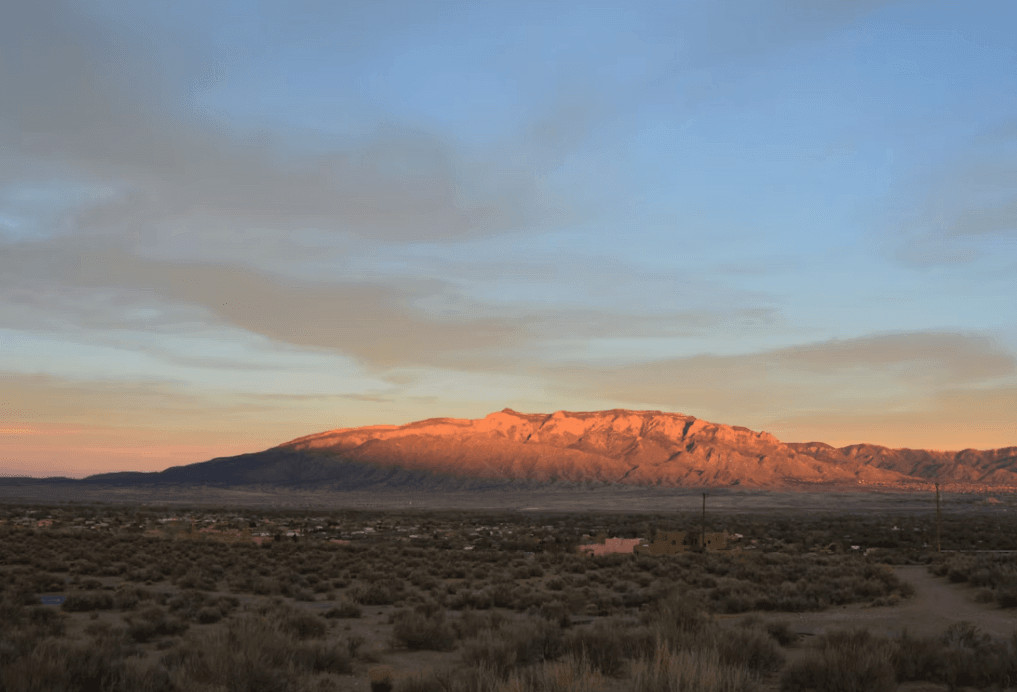
Photo by: Derek Olson
Why Wind-Driven Sand Is a Separate Problem From Wind Alone
Beyond the direct force of high winds lifting or stressing roofing material, Rio Rancho’s wind carries abrasive sand and dust that acts almost like sandpaper against exposed surfaces over time.
This slowly erodes protective coatings and granule surfaces in a way that’s distinct from, and compounds, the UV degradation the whole region deals with. A roof here is fighting wind force and wind-driven abrasion simultaneously, not just one or the other.
Why Materials Matter More Here Than a Generic High-Desert Recommendation
Given this specific combination, a few material considerations are worth prioritizing for Rio Rancho homes specifically:
- Wind-rated products specifically tested for higher sustained wind speeds, rather than standard-rated asphalt shingles designed around more moderate wind exposure
- Metal roofing, which handles both the wind resistance and abrasion resistance this climate demands particularly well, with quality systems rated for winds exceeding 140 miles per hour and a slick factory finish that sheds wind-blown sand without the coating erosion that porous materials like stucco or wood can suffer
- Concrete or clay tile, which offers excellent wind and UV resistance and complements the Spanish Colonial and Pueblo-style architecture common throughout Rio Rancho’s established neighborhoods
- Proper fastening and edge detailing, since even a wind-rated material underperforms if the installation doesn’t account for the uplift forces this specific wind exposure generates at ridges, edges, and penetrations
Why Flashing and Sealant Failure Shows Up Differently Here
Daily temperature swings of 40 degrees or more are common in Rio Rancho, a summer day might reach the mid-90s and drop into the mid-50s overnight, and that thermal cycling pulls at seams and loosens fasteners independent of the wind itself.
Combined with wind-driven sand working into any gap that develops, flashing and sealant failures around vents, chimneys, and swamp cooler penetrations tend to progress faster here than in a calmer, more sheltered part of the metro.
Why Insurance Coverage Is Worth Confirming Directly
Hail and wind damage are typically covered under standard New Mexico homeowner’s policies, but given how routinely Rio Rancho’s wind exposure tests roofing materials, it’s worth confirming your specific coverage and understanding what documentation your insurer would need if a wind event does cause damage, rather than discovering the details only after filing a claim.
Getting a Roof Built for This Specific Wind Exposure
Because Rio Rancho’s mesa-driven wind pattern is genuinely more demanding than a generic Albuquerque-area recommendation accounts for, it’s worth confirming that whoever specifies your roofing materials understands this specific local condition.
A reliable roofing company in Rio Rancho that’s worked extensively in this exact terrain should be able to speak directly to wind ratings and fastening approaches suited to the West Mesa’s specific conditions, not just general New Mexico high-desert advice.