A metal roof is designed for long-lasting performance, but its lifespan depends on several roof-specific factors. From panel locking and fastening to drainage flow and surface protection, every detail plays a role in durability. Weather exposure and installation quality also shape how well the roof holds up over time. This article explains the key elements that influence metal roof lifespan.
Roof Panel Locking and Fastening Accuracy
The way metal panels are locked and fixed to the roof deck directly affects how long the system lasts. Roof screws, clips, and seam locks must be placed with precision so panels do not loosen under wind or thermal movement. A skilled metal roof contractor ensures correct fastening depth and spacing to avoid stress concentration along roof joints. Proper alignment also reduces vibration during storms, helping the roof maintain structural balance over time. When fastening is consistent, roof panels stay stable even under repeated weather cycles.
Metal Sheet Thickness and Protective Surface Layers
The durability of a metal roof depends heavily on sheet gauge and coating systems applied on top of the metal surface. Thicker sheets handle roof loads better and resist denting from hail or debris impact. Protective coatings also play a key role in preventing oxidation along exposed roof areas.
Key roof material factors include:
- Sheet thickness that supports wind and load resistance
- Anti-corrosion coating that protects roof seams
- UV-resistant finish that reduces surface breakdown
- Edge sealing that protects cut panel sections
Each element strengthens roof resilience and reduces long-term surface fatigue.
Roof Slope Design and Water Drainage Efficiency
Roof slope directly influences how quickly rainwater moves off the structure. A well-calculated pitch prevents water from lingering near seams, flashings, or roof valleys. When drainage is smooth, moisture does not accumulate at critical joints where leakage risks increase. Poorly directed flow can place extra pressure on roof edges and fasteners. A balanced slope design helps the entire roofing system remain dry and structurally sound over time.
Roof Flashing and Joint Protection Zones
Flashing areas around chimneys, vents, skylights, and roof edges are highly sensitive points in a metal roof system. These zones manage transitions between different roof surfaces and require strong sealing to block moisture entry. If flashing is not properly secured, water can travel beneath panels and affect underlying layers. Reinforced sealing materials and correct overlap design help maintain protection at these junctions. Strong flashing performance directly supports a longer roof lifespan.
Roof Inspection Cycles and Structural Maintenance Checks
Regular roof inspections help track early signs of wear, such as loose fasteners, sealant fatigue, or minor surface changes. Trained professionals evaluate panel alignment, joint condition, and drainage performance to ensure the roof remains stable. A qualified metal roof contractor can identify stress points caused by expansion or weather exposure and address them before they develop further. Consistent inspection routines help maintain the roof’s structural reliability across seasons.
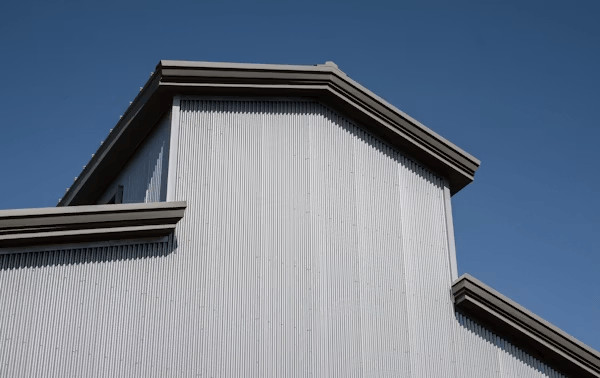
A metal roof works best when all its components function together as one system. Its lifespan depends on proper design, material quality, and how well it handles real weather conditions over time. This is why professional support matters. Choosing experienced roofing services ensures accurate installation, proper evaluation, and long-term roof reliability. Selecting the right professionals helps protect structural strength and maintain consistent performance over the years.