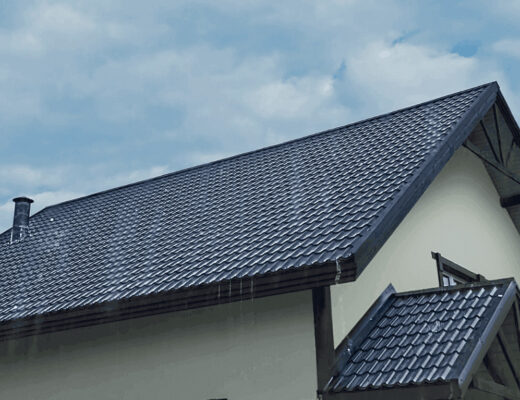
Drive through almost any neighborhood in The Villages on a weekday morning and you will likely spot a roofing crew at work. That is no coincidence. Thousands of homes in Florida’s largest active adult community were built within a few years of each other, and their original roofs are reaching the end of their useful life at roughly the same time.
If your roof is approaching 15 or 20 years old, a replacement is probably on your radar. Here is what homeowners in The Villages should understand before signing a contract.
Why So Many Roofs Are Coming Due at Once
The Villages grew in waves, with entire villages built out over just a few years. Most of those homes went up with standard asphalt shingle roofs. In Central Florida, shingles typically last 15 to 20 years, and often less on south and west facing slopes that take the full afternoon sun.
Common warning signs include:
- Curling, cracked or missing shingles
- Heavy granule loss collecting near downspouts
- Dark streaks or bare patches on the roof surface
- Water stains on ceilings, especially after summer storms
- Soft spots or sagging along the roof deck
Spot any of these? Schedule a professional inspection, even if nothing is leaking yet.
How Insurance Shapes the Timeline
For many Florida homeowners, the insurance company decides when a roof gets replaced. Under reforms passed in 2022, insurers may not refuse to write or renew a policy solely because a roof is less than 15 years old. Once a roof reaches 15 years, the insurer must allow an inspection before requiring replacement. If that inspection shows at least five years of useful life left, age alone cannot be the reason for a non renewal.
That 15 year mark is when many owners in The Villages start hearing from their carriers, so plan ahead rather than rushing a job to meet a renewal deadline.
A 2022 change to the state building code also helps with storm damage. If your existing roof was built to the 2007 Florida Building Code or later, only the damaged section has to meet current code, not the entire roof. Older roofs do not get that break, which is one more reason to replace an aging roof on your own schedule.
Metal or Shingle: Choosing a Roof for Central Florida
Most homes in The Villages started with shingles, but more owners are choosing metal when it is time to replace.
Architectural shingles remain the most affordable option up front. Today’s products carry much stronger wind ratings than the three tab shingles used on many older homes, and they come in colors that match the community’s established look. For owners who plan to sell within a decade, shingles often make the most financial sense.
Metal roofing costs more at installation but can last two to three times as long as shingles. Standing seam and other metal systems are built to handle high winds, shed heavy summer rain quickly and resist the algae streaking common in humid climates. Lighter colored and coated metal panels also reflect more of the afternoon sun, which can help keep attic temperatures and cooling bills down.
For retirees who want this to be the last roof they ever buy, metal is worth a serious look. Ask any contractor you interview to price both options so you can compare the cost per year of service, not just the upfront number.
Approvals, Permits and Timing
The Villages takes its look seriously, so check the rules before you commit to a new material or color. If you are switching from shingles to metal or changing your roof color, submit a Modification/Alteration Form to the Architectural Review Committee and get approval before work starts. The application is free.
You will also need a building permit. Because The Villages spans Sumter, Lake and Marion counties, the permit comes from whichever local building department covers your address. A reputable roofer pulls the permit and schedules the inspections for you.
Timing matters too. Hurricane season runs from June through November, and summer brings near daily afternoon storms. Booking your replacement for late fall or winter usually means drier working days and an easier schedule for everyone.
Choosing the Right Contractor
After a big storm, out of town crews often go door to door in Florida communities. Some do fine work, but many are gone before a warranty claim ever comes up. A local company with a nearby office is easier to reach years down the road.
When you interview roofers, ask:
- Are you licensed in Florida and fully insured?
- Will you handle the permit and the ARC paperwork?
- What warranties cover the materials and the workmanship?
- Can you share references from homes in The Villages?
If you are planning a roof replacement in The Villages, start with a free inspection from a licensed local contractor who knows the community’s approval process. A clear written estimate covering both shingle and metal options gives you everything you need to make a confident decision.
A new roof is one of the largest investments you will make in your home. With some planning, it can also be one of the last roofs you ever need to buy.