Keeping pests out of your apartment starts with sealing the small gaps they use to get inside. Even well-built buildings can develop tiny openings over time due to settling, wear, or shared ventilation systems. These gaps often go unnoticed until pests become a problem.
Finding and sealing these entry points helps reduce the risk of infestations. It also creates a cleaner, healthier living space without relying on constant chemical treatments.
Common Entry Points in Apartments
Doors and windows are some of the most common entry points for pests. Over time, weather and daily use can create small gaps around frames, especially in older buildings. Insects can slip through tiny cracks, while rodents can squeeze through slightly larger openings near worn or damaged areas.
Even a small misalignment in a door frame can create enough space for pests to enter. Sealing these gaps helps keep insects and rodents away from areas where food and warmth are easy to find.
Utility Openings and Vents
Utility openings such as pipe penetrations, cable entry points, and vents are also common access points. These areas often connect to shared walls or building spaces, making them harder to monitor.
Insects can travel between units through wall cavities, while rodents may use these openings as hidden pathways. Regularly checking vents and utility connections helps catch weak spots early and prevents larger problems later.
Materials for Sealing Entry Points
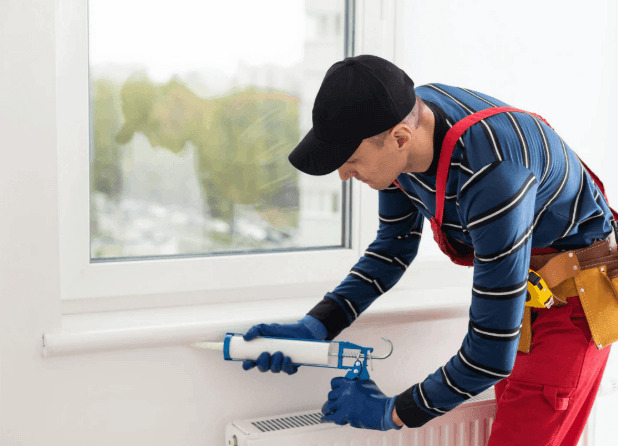
Caulking and sealants work well for sealing cracks in fixed areas. Use them around window frames, baseboards, and wall gaps to block pest entry. These materials create a flexible barrier and can also improve insulation.
Choose the right sealant based on the surface and size of the gap. When applied correctly, it provides long-lasting protection and reduces the need for frequent repairs.
Weatherstripping and Mesh Screens
Use weatherstripping for doors and windows that open and close often. It helps seal gaps without affecting movement. Mesh screens are a good option for vents and drains where airflow is still needed.
When installed properly, these materials block pests while allowing proper ventilation. They are simple upgrades that can make a big difference in daily comfort.
Steps for Inspecting the Apartment
A thorough inspection helps uncover hidden entry points. Check behind appliances, under sinks, and along corners where floors meet walls. Look for signs like droppings, grease marks, or damaged materials.
Use a flashlight to spot small cracks and gaps that are easy to miss. Regular inspections help catch issues early and prevent them from turning into larger infestations.
Exterior and Shared Area Checks
Shared spaces like hallways, basements, and utility rooms can also allow pests to enter. These areas often serve multiple units, so one gap can affect several apartments.
Check for openings around foundations, shared pipes, and structural joints. In some cases, it may be necessary to contact professionals such as pest control Whitby or pest control Oshawa when the issue extends beyond a single unit.
Sealing Techniques for Gaps
Sealing small cracks does not require many tools. Start by cleaning the area so the material sticks properly. Then apply caulking evenly to fill the gap completely.
Even the smallest cracks should be sealed, since insects can enter through very tight spaces. Taking care of these details helps create a stronger barrier throughout the apartment.
Larger Openings and Fixtures
Larger gaps around plumbing, wiring, or structural elements need stronger solutions. Expanding foam or reinforced patch materials can help seal these openings.
For extra protection, place metal mesh or hardware cloth behind the seal. This helps stop rodents from chewing through weaker materials over time.
Maintenance and Prevention
Regular checks are key to keeping your apartment sealed. Changes in temperature, building movement, and daily use can weaken seals over time.
Keep surrounding areas clean to avoid attracting pests. Remove food debris, control moisture, and maintain clean surfaces. Even a well-sealed apartment can attract pests if conditions allow.

Ongoing Pest Prevention Practices
Long-term pest control combines sealing with good daily habits. Proper food storage, waste management, and moisture control all help reduce the risk of infestations.
In some cases, ongoing support from services like pest control Whitby or pest control Oshawa may be needed. Regular inspections and preventive steps help maintain a pest-free space over time.
Conclusion
Sealing entry points is one of the most effective ways to keep bugs and rodents out of your apartment. By finding weak spots, using the right materials, and checking regularly, you can reduce pest activity and avoid bigger problems.
With consistent maintenance and good daily habits, you can create a clean, comfortable living space that stays protected over time.