Buying a cold plunge tub is the easy part. Finding a good place for it, keeping the water cold, and figuring out what to do with all that water afterward can take a little more planning.
A backyard or garage setup doesn’t have to be complicated. You don’t need a custom-built recovery room, either. But there are a few things worth sorting out before you fill a tub for the first time.
That Empty Corner Might Not Be the Best Spot
A cold plunge can look surprisingly compact in product photos. Once it’s filled, though, you’re dealing with a substantial amount of weight.
One hundred gallons of water weighs roughly 834 pounds. Add the tub and a person, and the total gets considerably higher. A ground-level concrete surface may be a practical option, provided it’s in good condition and suitable for the load. Raised decks and balconies need a closer look at their structural capacity.
Then there’s the question of getting in and out.
A tub tucked tightly between a wall and some storage shelves might fit perfectly on paper. In practice, you’ll want enough room to step in without twisting awkwardly, set down a towel, and reach the drain when it’s time to empty it.
Think about where the water will go, too. Letting it run toward the house or pool around the garage floor can create problems you didn’t anticipate.
Ice Is Simple Until You’re Buying It Every Week
For an occasional cold plunge, bags of ice are a perfectly reasonable place to start. Fill the tub, add ice, check the temperature, and you’re ready.
It gets less convenient when the tub becomes part of your weekly routine.
Say you finish a workout on a hot afternoon and want to get in for a few minutes. The water has been sitting outside, and it’s warmer than you expected. Now you need another trip for ice, followed by some waiting around.
That’s when a temperature-controlled setup starts to make sense.
Some homeowners choose a water chiller for ice bath setups instead of relying entirely on ice. A compatible chiller circulates and cools the water, making it easier to maintain a chosen temperature between sessions.
It’s an added expense, of course. If you only plunge once or twice a month, you might not need one. For regular use, avoiding the repeated ice runs can be a worthwhile convenience.
A Bigger Tub Isn’t Always a Better Tub
It’s tempting to choose the largest model you can afford. More space sounds comfortable, especially if you’re tall.
But a bigger tub also needs more water, takes up more room, and may be harder to drain and clean.
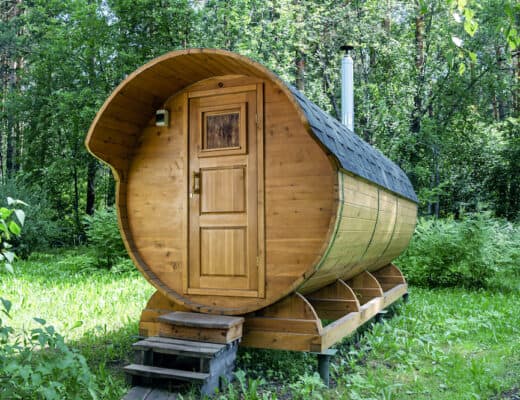
An upright barrel-style tub can work well in a small garage. You sit with your knees bent, so it doesn’t require as much floor space as a longer model.
If you’d rather stretch out your legs, a longer tub may feel better. Just measure the space carefully, including the area needed to get in and out.
Portable and inflatable tubs are worth considering if you rent your home or don’t want the setup to stay in one place permanently. Some can be packed away, although you’ll still need somewhere to dry and store them.
One detail people sometimes miss is the connection between the tub and the cooling equipment. If you’re planning to use a chiller, check the hose fittings and ports before buying. Not every tub and chiller combination will work together without additional parts.
Think About Maintenance Before Your First Plunge
A cold plunge doesn’t stay clean just because the water is cold.
Sweat, dirt, skin oils, and outdoor debris can all end up in the tub. A cover helps keep leaves and dust out, but it won’t solve every water-quality issue.
Showering before getting in is a good habit. So is checking the water regularly and following the equipment manufacturer’s instructions for cleaning, filtration, and water treatment.
If your setup has a filter, don’t assume it handles everything. Filters can catch debris, but they aren’t a substitute for proper sanitation.
And if the tub sits outside, keep an eye on the weather. Strong sun can warm the water, while freezing temperatures can damage equipment that hasn’t been protected or winterized properly.
Electrical connections deserve just as much attention. A chiller needs an appropriate power supply, and any outlet near water should have the required protection. Keep plugs away from puddles, avoid improvised extension-cord arrangements, and follow the installation instructions.

Keep the First Few Sessions Simple
You don’t need to start with near-freezing water.
Cold-water immersion research often uses temperatures around 50°F to 59°F (10°C to 15°C). Even at the warmer end, stepping into the tub can be a shock if you’re not used to it.
Start with a short session. Get in slowly, keep your head above water, and pay attention to your breathing. If you feel dizzy or can’t control your breathing, get out.
It’s also safer to have someone nearby rather than plunge alone.
People with heart conditions, circulation problems, or other relevant medical concerns should check with a healthcare professional before trying cold-water immersion.
There’s no reason to make your first week a competition over who can stay in the longest.
Make It Easy Enough to Use Again
A home cold plunge is only useful if you can realistically fit it into your routine.
Before spending money on extra equipment, think about how often you’ll use the tub and how much work you’re willing to do between sessions. A simple setup may be all you need. Or you may decide that easier temperature control and maintenance are worth paying for.
For those exploring home cold plunge equipment, Plunge Chill offers tubs that can be used with ice or connected to compatible chillers. Readers can use code PLUNGE10 for 10% off at checkout.
You don’t need an elaborate backyard makeover to get started. A suitable location, manageable equipment, and a little planning will go a long way toward making the setup practical.