A good cut of beef can still turn out dry, chewy, or bland if the cooking process is rushed. Many home cooks focus heavily on marinades, sauces, and complicated recipes while overlooking the small details that actually shape flavor and texture.
Heat control, timing, and preparation matter far more than most people realize. Premium beef already brings deep flavor to the table, so the goal should be to cook it in a way that keeps those natural qualities intact.
Simple cooking techniques usually deliver the best results because they allow the meat to stay the focus of the meal. Once you understand how temperature, seasoning, moisture, and resting time work together, cooking quality beef becomes far more consistent and much less stressful.
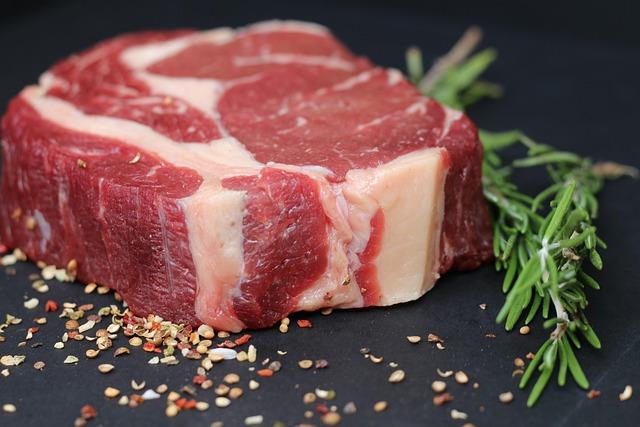
Choose Beef With Visible Marbling
Good beef usually tells you a lot before it even touches the pan. One of the easiest ways to spot quality is by looking for fine white streaks of fat throughout the meat. This marbling slowly melts during cooking and helps the beef stay juicy and flavorful.
Cuts with very little marbling often cook up firmer and less satisfying, especially when exposed to high heat. Ribeye, strip steak, and well-raised chuck cuts usually have enough internal fat to develop better texture during cooking.
Thickness also matters. Thin steaks cook too quickly and make it harder to control doneness. Many experienced ranchers, including producers like Riverbend Ranch, focus heavily on cattle care and feeding practices because those factors directly affect marbling, tenderness, and overall consistency in the final product.
Keep Seasoning Simple and Balanced
Many people overload quality beef with heavy spice blends, sugary marinades, or bottled sauces that cover the natural flavor of the meat. Salt remains the most important seasoning because it helps bring out the beef’s depth and improves browning during cooking.
A generous layer of kosher salt applied before cooking usually gives better results than complicated seasoning mixes. Black pepper works well too, though some cooks prefer adding it later to prevent scorching over very high heat.
Garlic powder can add a subtle flavor when used lightly. Thick steaks benefit from seasoning earlier because the salt has more time to absorb into the surface. Good beef already has character on its own. Strong seasoning should support that flavor instead of becoming the main thing people notice while eating.
Dry Beef Cooks Better
Moisture on the surface of beef creates steam, and steam works against browning. If the meat goes into the pan wet, the surface struggles to form the deep crust that gives steak much of its flavor. Patting beef dry with paper towels before cooking makes a noticeable difference immediately.
This simple step helps the surface brown faster and more evenly, especially when cooking in cast iron or on a grill. It also prevents excess moisture from cooling the pan too quickly. Many people skip this because the meat already looks dry enough after unpacking, but even small amounts of surface moisture affect the final result.
Taking thirty seconds to dry the steak properly often improves texture more than expensive marinades or specialty seasonings ever could.
Check the Internal Temperature
Guessing doneness by sight or touch often leads to overcooked beef. A simple wireless thermometer helps you track the internal temperature more accurately without cutting into the meat and losing juices. This is especially useful for thick steaks, roasts, and larger cuts that continue cooking slightly after being removed from heat.
Give the Juices Time to Settle
Cutting into beef immediately after cooking causes a noticeable loss of moisture. The juices move toward the center while the meat cooks, and they need time to redistribute before slicing. Resting beef for several minutes helps those juices settle back through the meat more evenly.
Smaller steaks usually need about five to ten minutes, while larger roasts require more time. Resting also slightly improves texture because the muscle fibers relax after exposure to high heat.
Many home cooks skip this step because they want to serve food quickly, but the difference becomes obvious after the first slice. Place the beef on a cutting board or warm plate and leave it alone briefly. The final texture stays juicier and the flavor feels more balanced across every bite.
Slice Against the Grain Every Time
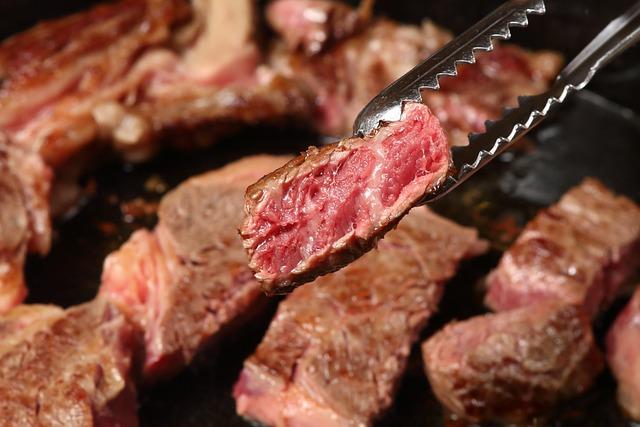
Even perfectly cooked beef can feel chewy if it is sliced incorrectly. Muscle fibers run in visible lines across many cuts of beef, especially flank steak, skirt steak, brisket, and tri-tip. Cutting against those lines shortens the fibers and makes the meat easier to chew.
Slicing with the grain leaves long fibers intact, which creates a tougher texture in every bite. Before cooking, take a quick look at the direction of the grain so you know how to slice later. A sharp knife also matters because rough cuts tear the meat and release more juice onto the cutting board.
Thin slices work especially well for leaner cuts. This technique takes very little effort, yet it changes the eating experience immediately.
Cooking quality beef well comes down to attention, timing, and a few reliable habits. Small adjustments often create the biggest improvements in texture and flavor. Drying the surface properly, managing heat, checking temperature, and resting the meat all help beef perform the way it should.
Choosing the right cooking method for each cut also prevents many common mistakes in home kitchens. These techniques are simple enough for beginners yet important enough for experienced cooks to follow consistently.
Great beef already brings plenty of flavor to the table, so the goal is to cook it carefully and avoid overcomplicating the process. Once these basics become routine, preparing steak, roasts, and other beef dishes feels far more natural and dependable.