A group trip brings together people with very different ideas of a perfect day. Some want to wake early and hit the trails, while others would rather sleep in and spend the morning with a good book and a hot drink.
The Smoky Mountains suit both kinds of travelers, and towns such as Gatlinburg, Pigeon Forge, and Sevierville give a group easy access to quiet forests, lively main streets, and everything in between. The real challenge is planning a trip where every person feels that their time was well spent. With a little thought before you leave, the same getaway can deliver plenty of excitement and plenty of rest.
Finding a Home Base Where Everyone Fits
Once the group agrees on dates and a rough plan, the next question is where everyone will sleep and gather at the end of the day. Many cabins in the area are built for couples or small families, so bigger parties often end up split across several bookings and lose the sense of being on one trip together. A spacious group rental with enough bedrooms, bathrooms, and shared living space solves that problem by keeping everyone under one roof.
Visit My Smokies offers large cabins in the Smoky Mountains that can sleep up to 30 guests or more, with features such as game rooms, theater rooms, hot tubs, indoor pools, and meeting rooms for group activities, all close to top attractions, dining, and shopping. A shared base like this gives the trip a natural meeting point, so nobody has to drive across town just to say good morning.
Planning an Itinerary That Suits Every Energy Level
The best group itineraries leave room for choice. Before the trip begins, ask each person in the group to name one or two things they really want to do. You will quickly see who is hoping for long hikes, who wants to shop and eat, and who mainly wants a break from daily life.
From there, build each day around one shared activity and leave the rest open. A morning drive to a scenic overlook might bring everyone together, while the afternoon splits into smaller groups that follow their own interests. This approach stops the adventurous members from feeling held back and keeps the quieter members from feeling dragged along.
Outdoor Adventures for the Bold Members of the Group
For travelers who come alive outdoors, the region offers a wide range of options. Hiking trails range from short, gentle walks to steep climbs that reward effort with sweeping views. Waterfalls, streams, and wildflower meadows give every walk something worth stopping for.
Those who enjoy a thrill can look for activities such as ziplining, river tubing, horseback riding, or mountain biking. Many of these work well for mixed groups, since beginners and experienced riders can often book the same outing at different levels.
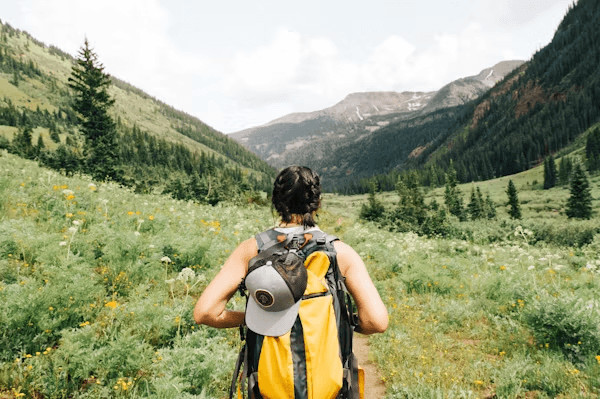
Safety should always come first. Check trail conditions before setting out, carry enough water, wear proper shoes, and let someone back at your base know where you are going and when you plan to return. Mountain weather can shift quickly, so pack a light rain jacket every day.
Slow Days for Those Who Want to Unwind
Relaxation deserves the same attention as adventure. For many people, the most memorable part of a trip is not a big outing but a long, unhurried morning on a porch with coffee and fresh mountain air.
Quiet activities can be just as rewarding as busy ones. Scenic drives let people enjoy the views without much effort, and local craft shops, art studios, and small museums offer a gentle way to spend an afternoon. A picnic beside a stream or a slow walk along an easy path can be the perfect middle ground for someone who wants fresh air without a hard climb.
Sharing Meals Without the Stress
Food can bring a group together or become a constant source of friction. Deciding where to eat three times a day for a crowd quickly wears people down, so it pays to plan meals in advance.
One simple method is to assign each night to a different family or pair. That team handles the shopping, cooking, and cleanup for one dinner, and everyone else gets a night off. Breakfasts and lunches can stay casual, with easy food that people grab when they are ready.
Eating out still has its place. Plan one or two special meals at local restaurants, and book ahead when your group is big, since many popular spots fill up quickly during busy seasons.
Keeping Costs Fair and Simple
Money can cause tension on any group trip, so talk about it early. Agree on a rough budget before booking anything, and make sure everyone is comfortable with the plan.
A shared expense app or a simple spreadsheet can track who paid for what, which avoids awkward conversations at the end of the trip. Decide in advance how you will split groceries, fuel, and activity costs, and be clear about which outings are optional. Someone who skips a paid activity should not feel pressured to cover it.
Making Room for Time Together and Time Apart
The secret to a happy group trip is balance. People need shared moments that build memories, but they also need space to recharge. Plan a few fixed group traditions, such as a nightly card game, a sunset gathering, or a final big dinner, and leave the rest of the time flexible.
Small groups can form naturally during the day and come back together in the evening to swap stories. This rhythm lets adventurers chase their thrills, lets relaxers enjoy their quiet hours, and still gives everyone a strong sense of being part of one trip.
When everyone feels heard during planning, the trip almost runs itself. Clear communication, a flexible schedule, and a comfortable place to gather each night turn a crowd of different personalities into a group that wants to travel together again.