Buying your first home is exciting, but saving for the down payment can feel like the biggest obstacle between you and the front door. With rent, bills, groceries, debt payments, and everyday expenses competing for your income, setting aside thousands of dollars may seem unrealistic. The good news is that building a down payment does not always require one dramatic lifestyle change. More often, it comes from combining several smaller, creative strategies that steadily move you closer to your goal.
Whether you are planning to buy in the next year or just starting to think about homeownership, these ideas can help you save with more intention and less stress.
Start With a Realistic Down Payment Goal
Many first-time buyers assume they need 20% down, but that is not always the case. Depending on the loan type, lender, location, and your financial profile, your required down payment could be lower. However, the down payment is only one part of the total cost of buying a home.
You may also need money for closing costs, inspections, moving expenses, small repairs, new furniture, utility setup fees, and an emergency fund. Before you start saving aggressively, set a realistic target that includes more than just the mortgage amount. A clear number gives your savings plan structure and helps you avoid being caught off guard by extra costs later.
Create a Separate Home Fund
One of the simplest ways to build momentum is to separate your down payment money from your everyday checking or savings account. When all your money sits in one place, it is easier to dip into it for non-home expenses.

Open a dedicated account for your future home and automate transfers into it each payday. Even if the amount is small at first, consistency matters. Treat the transfer like a bill you owe to your future self. Over time, this creates a habit and keeps your goal visible.
You can also name the account something motivating, such as “First Home Fund” or “House Keys Account.” It may sound minor, but seeing the purpose attached to the money can make it easier to leave it untouched.
Turn Windfalls Into House Money
Unexpected or irregular income can make a major difference when saving for a down payment. Instead of letting bonuses, tax refunds, cash gifts, rebates, overtime pay, or freelance income disappear into everyday spending, commit to sending most or all of it directly to your home fund.
This strategy is powerful because it does not require you to cut as much from your monthly budget. A few larger deposits throughout the year can significantly accelerate your progress. For example, a tax refund, a work bonus, and a few smaller cash gifts could add up to several months’ worth of regular savings.
Use a Temporary Homebuyer Budget
A strict budget can feel discouraging if you think you have to follow it forever. Instead, create a temporary “homebuyer budget” for a set period, such as six months or one year. The idea is not to eliminate all enjoyment from your life, but to make short-term adjustments in exchange for a long-term goal.

You might pause a few subscriptions, cook at home more often, limit impulse purchases, or choose lower-cost entertainment for a while. Because the changes are temporary and tied to a specific purpose, they can feel more manageable. You are not just cutting back; you are buying future stability, space, and ownership.
Reduce Current Housing Costs
If buying a home is your top priority, your current housing situation may offer one of the biggest savings opportunities. Consider whether you can reduce rent-related costs for a short period. That might mean getting a roommate, moving to a less expensive rental, negotiating your lease renewal, or cutting optional fees like parking or storage.
Even a modest monthly reduction can create meaningful progress. Saving an extra $300 per month for a year gives you $3,600 more toward your purchase. While moving or sharing space may not be ideal, it can be a temporary step that helps you become a homeowner sooner.
Build a Side Income Stream With an End Date
A side hustle can help you build a down payment faster, but it works best when it has a clear purpose and timeline. Instead of telling yourself you need to work extra forever, set a specific goal. For example, you might freelance, tutor, pet sit, deliver food, work weekend events, or sell digital products until you save an additional $5,000.
Having a finish line makes extra work feel more worthwhile. It also helps prevent burnout. Just remember that if you earn self-employed income, you may need to set aside money for taxes so your home fund does not take an unexpected hit later.
Explore First-Time Homebuyer Assistance
Many buyers overlook assistance programs that can reduce the amount they need upfront. Depending on where you live, there may be grants, forgivable loans, low-down-payment mortgage programs, or local incentives designed specifically for first-time buyers.
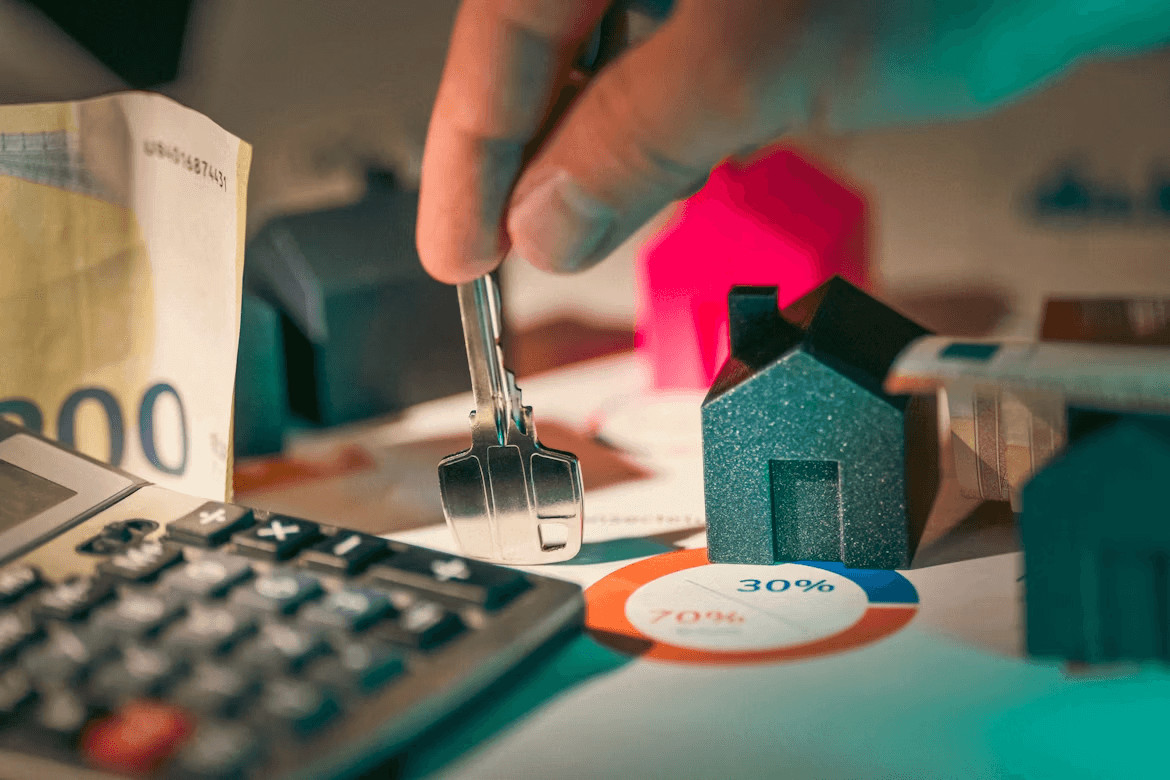
These programs may have income limits, location requirements, credit standards, or homebuyer education courses, so it is important to research early. Even if you do not qualify for every option, finding one useful program could reduce the pressure on your savings plan.
Balance Home Goals With Long-Term Savings
Buying your first home is a major financial milestone, but it should not completely replace every other financial goal. Some buyers consider using retirement funds as part of their homebuying strategy, but that decision requires careful thought. It is important to understand potential taxes, rules, penalties, and the long-term impact of pulling money away from retirement.
Before deciding whether retirement savings should play any role in your home purchase, it may also be helpful to understand how different accounts fit into your broader plan and why some people choose to open an IRA account online for long-term investing. A first home can be part of building financial security, but ideally, it should work alongside your future savings goals rather than compete with them entirely.
Rethink What Your First Home Has to Be
Another creative way to make your down payment more achievable is to adjust your definition of a first home. Your first property does not have to be your dream home. A smaller house, condo, townhouse, duplex, or home in a nearby neighborhood may be more realistic and still help you begin building equity.
Choosing a more affordable first home can lower your required down payment and make the overall purchase less stressful. You can always upgrade later as your income, savings, and needs change.
Final Thoughts
Building a down payment for your first home is not about finding one perfect strategy. It is about stacking several smart choices together. A separate savings account, temporary budget changes, windfalls, side income, assistance programs, and a flexible view of your first home can all work together to move you closer to ownership.
With creativity and consistency, your down payment goal can become more manageable. The key is to start with a clear target, protect your savings, and keep making steady progress until you are ready to buy.