Not every electrical problem that feels urgent is an emergency. And not every problem that seems manageable should wait. For homeowners anywhere, warning signs such as burning smells, sparking, exposed wiring, or electrical equipment affected by water deserve particular caution.
Having spent time on the Gold Coast, I’ve seen firsthand how much the weather can shape everyday life there. When it comes to home electrical safety, though, the basic warning signs may be familiar wherever you live, while the rules, licensing requirements, and services available when something goes wrong depend on location.
For Gold Coast homeowners, understanding which problems need immediate professional attention and which may be able to wait until normal business hours can help avoid an unnecessary after-hours call while making sure genuine electrical hazards aren’t ignored.
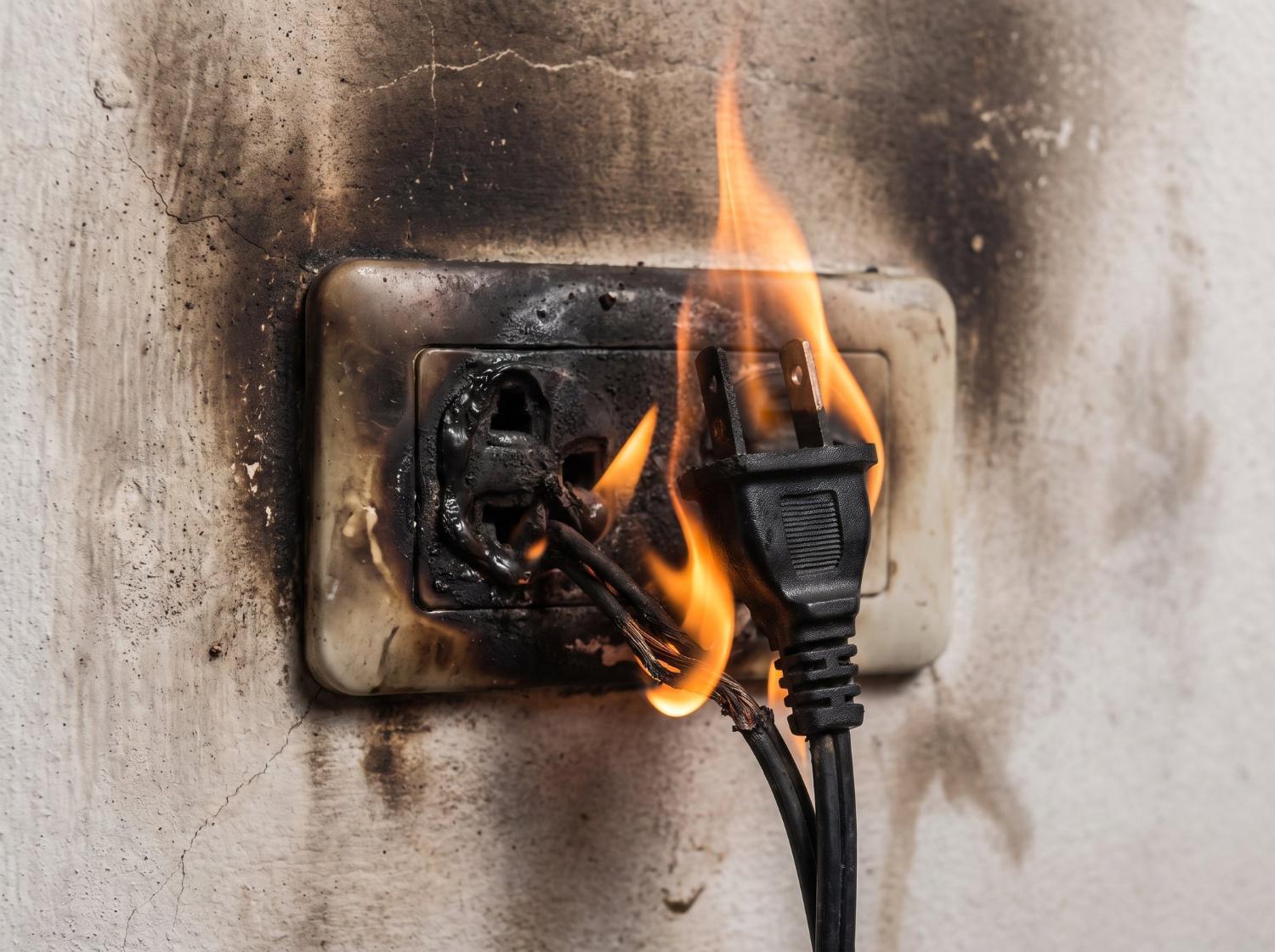
Image by user18366109 on Magnific
What Qualifies as a Genuine Electrical Emergency
Certain electrical problems require immediate professional attention regardless of where a home is located. A burning smell coming from a powerpoint, switchboard, or electrical fitting can be a warning sign of overheating. If this happens, avoid using the affected equipment or circuit and seek professional assistance rather than waiting to see whether the problem goes away.
Sparking from an outlet, light fitting, or switchboard also deserves immediate attention. Visible arcing or repeated sparking can generate heat and may create a fire risk, so it shouldn’t be ignored. Exposed wiring following storm damage, an impact to a wall or ceiling, or flooding that has reached electrical components can also create a serious hazard.
A complete loss of power may need further investigation as well, particularly when neighbouring properties still have electricity and there is no obvious explanation at the switchboard. On the Gold Coast, if the outage appears limited to the property and there is no obvious explanation, professional diagnosis may be needed to determine where the fault lies. Calling 24hour emergency electricians on the Gold Coast can be appropriate when the problem presents an immediate electrical safety risk or cannot safely be isolated until normal business hours.
Situations That Feel Urgent but Can Often Wait
Some electrical problems may not require an immediate after-hours visit, particularly when there are no signs of overheating, burning, sparking, exposed wiring, or water near electrical components. A single outlet that stops working or a circuit that has tripped may sometimes be assessed during normal business hours, but repeated tripping or any uncertainty about the cause deserves professional attention.
An outdoor light that stops working overnight, for example, may be inconvenient without necessarily creating an electrical emergency. The important distinction is whether there are signs of an active risk to people or property.
Overheating, burning smells, repeated or unexplained sparking, exposed wiring, and water around electrical equipment all warrant greater caution. If you’re unsure whether a problem can safely wait, avoid using the affected equipment or circuit and seek advice from a licensed electrical professional.
Queensland Rules Are an Important Part of the Picture
The warning signs of an electrical emergency aren’t unique to Australia, but the rules governing electrical work are location-specific. For Gold Coast homeowners, that means following Queensland requirements rather than relying on advice written for homeowners in another country or state.
The Queensland Electrical Safety Office administers Queensland’s electrical safety laws, including the Electrical Safety Act 2002 and associated regulations. These laws establish requirements around who can carry out electrical work and how electrical risks must be managed.
For homeowners, the practical point is straightforward: electrical repairs are not a suitable DIY job. Work that falls within regulated electrical work must be carried out by someone appropriately licensed under Queensland’s electrical safety framework.
That becomes particularly important during an emergency. The safest response is to stay away from exposed or damaged electrical components, avoid attempting repairs yourself, and contact an appropriately licensed professional. Electrical equipment affected by flooding, fire, or serious damage should not be treated as safe simply because the immediate incident has passed.
How Emergency Electricians Approach a Fault Call
When an electrician arrives at a Gold Coast property after hours, the first priority is usually making the situation safe. A burning smell or signs of arcing, for example, call for a different response than a straightforward loss of power.
Once the immediate hazard has been assessed, the affected part of the electrical system can be isolated and the source of the problem investigated. The aim is not simply to get the lights back on, but to understand why the fault occurred and whether it is safe to restore power.
If a circuit has a known unresolved fault, restoring power without addressing the cause could leave the same hazard in place. Depending on the problem, an emergency visit may therefore involve making the installation safe first, with additional repair work scheduled once the immediate risk has been dealt with.
After the Emergency: What Comes Next
Once the immediate problem is under control, it is worth understanding what caused it. An electrical fault in an older property, for example, may reveal aging wiring or another part of the installation that deserves closer inspection. A switchboard or circuit that trips repeatedly under normal use may also warrant further investigation rather than repeated resetting.
The same applies to safety devices. If an RCD or another protective device does not operate as expected when properly tested, it should be assessed by a licensed electrical professional rather than ignored.
An emergency call is primarily about making an unsafe situation safe. Follow-up work can then address the underlying problem that caused the emergency in the first place. Once the immediate danger is under control, finding and fixing that cause can help reduce the chance of the same problem happening again.
While the licensing requirements and electrical regulations discussed here are specific to Queensland, the basic approach makes sense wherever you live: take burning smells, sparking, exposed wiring, and water around electrical equipment seriously, don’t attempt electrical repairs you’re not qualified to perform, and get professional help when you’re unsure whether a situation is safe. Local rules may differ, but recognizing the warning signs and knowing when not to wait is useful for any homeowner.