Outdoor electrical outlets offer convenient and secure access to electrical power in the backyard, garden tools, entertainment systems, and seasonal equipment. Their installation needs proper planning and consideration of the electrical safety standards to assure long term reliability in the existing weather changes. This will minimize risks and enhance the overall result of the project when one understands the basics before starting.
Installation is more than just outside socket placement. It involves the selection of weather resistant materials, proper grounding and adherence to electrical codes that are intended to be used in exterior settings.
This is another upgrade that many homeowners, upon planning, turn to a residential electrician to make sure that the upgrades are up to date and safe, particularly with old wiring systems.
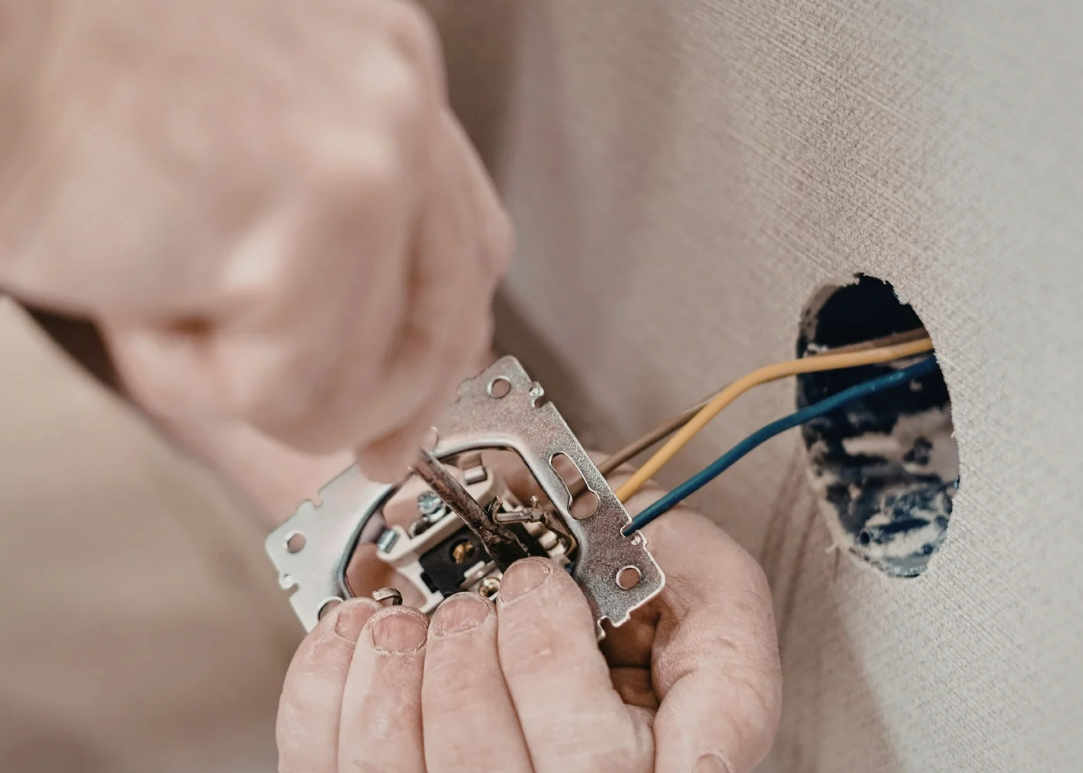
Planning Backyard Power Layout
Planning of the location of outlets is a key initial activity in any outdoor electrical project. The design needs to capture the use of the backyard with cooking, lighting, landscaping equipment or entertainment facilities. Placing the outlets in easily accessible yet secure places will aid in better usability and minimal exposure to water and physical damage.
The distance to the main electrical panel and any existing circuits that might supply the new installation should also be taken into consideration. Considered locations can minimize the amount of wiring that a house has to be run and the disturbance to the final surfaces within the home.
Selecting Outlet Locations Safely
The selection of safe places in outdoor outlets will exclude places that are likely to flood, have a lot of sprinklers, or be in the direct path of snow accumulation. Outlets must be mounted in exterior walls, which provide some natural protection, like under eaves or covered patios, to increase their life.
Access also needs to be clear in order to allow plugging of devices without causing tripping or overloading of extension cords. Home owners may also seek the advice of electrician Winnipeg when they are unsure of the placement or the load carrying capacity and need to determine the suitability of the site or the need to have the design to conform to the requirements of the region on electricity.
Understanding Outdoor Electrical Requirements
The outdoor electrical systems should be of high safety standards that are aimed at preventing moisture, corrosion and temperature variations. This usually involves protection by ground fault, weatherproof enclosures as well as the use of properly rated wiring which can withstand outdoor conditions with time.
The local electrical codes can be different, but most of them are obligatory to provide the protection in the form of ground fault circuit interrupter to all exterior outlets. These guard ramps are necessary as they minimize the chances of being shocked by electricity in wet or damp conditions that are common in the outdoor areas.
Power Shutoff and Protection Measures
The power to the pertinent circuit in the breaker panel must be disconnected before any installation work can commence. Ensuring that the circuit is de-energized is a very important safety measure that must not be disregarded when performing any sort of electrical work.
Other safety measures are the use of insulated tools, proper safety equipment and the work place should be dry. An electrician in a home setting will often adhere to strict lockout protocols to avoid the re-enabling of power when installing and this is where the preparation is important.
Choosing Weather Resistant Components
Field outlets should be constructed using materials that are particularly suited to exposure to the environment. This consists of weather resistant outlet boxes, resistant to corrosion screws, and covers that close up well when not being used. These elements will assist in avoiding entry of moisture into the system and inducing electrical faults.
High quality materials enhance long term durability and minimize the maintenance requirements. There is also the option of weatherproof covers which are automatically closing, giving an added protection to the outlets, making them safe even when it starts to pour or in the midst of a snowstorm.
Preparing Tools for Installation
The availability of the right tools prior to commencing the installation enhances efficiency and minimizes mistakes. Typical tools are wire strippers, screwdrivers, voltage testers, drill equipment, and electrical tape. All the tools are needed in order to maintain appropriate connections and safe mounting.
Another thing to check is that all the materials are in accordance with the electrical load requirements of the intended outlets. Smaller components may cause overheating, or system breakdown, and these may be expensive to fix in the future.
Running Electrical Cable Outdoors
When it comes to outdoor installation of electrical wiring, it is very important to ensure that the wiring is carefully laid to ensure that the cable is not damaged. Conduit is frequently used to provide protection to wiring against moisture, pests and mechanical damage. The route must be designed in such a way that it does not cause much exposure or disruption to landscaping or structures.
The cables should be installed with proper depth and sure fastening when they are laid in the ground or on the exterior surfaces. A residential electrician might be required in more sophisticated installations, wiring should be rated and installed correctly on safety regulation.
Mounting Outdoor Electrical Boxes
Electrical boxes used outdoors should be firmly fixed on the outside surfaces to avoid movement and ensure the weather resistance. The surface on which the mounting is done must be stable and the box flat so as to facilitate proper laying of outlets and sealing.
All openings must be closed once fitted to avoid leakage of water. This is an important measure to ensure that the electrical system is not compromised and that the chances of short-circuit due to exposure to moisture are minimized.
Installing and Sealing Outlets
The outlet may be wired and installed as per the usual electrical practices once the box is mounted. Connections between the two should be close and well insulated to maintain a steady current flow and minimize chances of overheating.
It is sealed with weatherproof cover and gasket substances that form a close shield against outside factors. These safety measures are designed to make sure that the outlet can operate in the changing seasons and different weather conditions.
Testing and Long Term Maintenance
After the system is installed, a voltage tester should be used to test the system to ensure that it is working properly. Ground fault protection must also be inspected to make sure that it works as intended in case of electrical imbalance or intrusion of moisture.
Long term maintenance involves checking of covers periodically, corrosion checks, and proper outlets are firmly in place. Routine maintenance can ensure long life of the system and keeps all backyard electrical uses safe.
Conclusion
When installed in an appropriate and safe manner, outdoor electrical outlets can greatly enhance the functionality of backyards. Everything requires careful planning, good materials, and compliance with electrical standards to ensure reliable performance in outdoor settings.
As projects grow more complicated, particularly when they involve older electrical systems, hiring a qualified professional such as a residential electrician can be a sensible option. Homeowners also often consult an electrician in Winnipeg for guidance on installations that meet local requirements and support long-term safety. Knowing when a problem may constitute an electrical emergency is equally important, especially if there are signs of sparking, overheating, exposed wiring, or moisture around electrical components.