Hardwood floors are beautiful and timeless. They are still one of the most popular choices for flooring in homes and businesses because there is just something special about a hardwood floor that other materials just cannot bring to the table. Hardwood flooring can last for many, many years, but you do need to know how to care for it.
Hardwood floor care and maintenance need to be taken care of on a routine basis. You cannot afford to forget about critical parts of the care plan for your flooring. Make sure that you understand what hardwood flooring needs when it comes to maintenance before you opt for this kind of flooring material.
Why Does Maintenance Matter So Much?
Hardwood is not a synthetic material. It is naturally occurring. This means that it might not hold up as well to wear and tear without maintenance as some other kinds of manufactured materials.
Hardwood can scratch if you have large dogs or kids, and it can also become damaged due to standing water, spills, and other kinds of intense daily traffic demands. This is where maintenance comes into play in such a big way.
Your hardwood floor will have been treated with protective coatings or paints. This layer of protection needs to be maintained. Without upkeep on your hardwood flooring, bubbles, scratches, and even separating panels can occur.
Having a skilled expert come and take a look at your flooring from time to time is key. If you want to be sure that you don’t forget any of the critical parts of the maintenance process for your hardwood flooring, keep reading. We will go over what your hardwood floor will need in detail so that you are sure about your choice.
Monthly Upkeep Needs
Routine cleaning is at the top of this list. When you don’t think about picking up grit and grime often enough, your hardwood floor will end up dull, scratched or perpetually dirty-looking. Engineered hardwood can better withstand these challenges than real wood, but it can also be damaged by daily wear and tear without upkeep.
One of the things that you need to check for every month is lifting segments of flooring, bubbling in the surface of your hardwood floors, or significant changes in color in high-traffic areas. You will never be sorry that you caught an issue before it becomes a bigger concern, so regular inspection and upkeep are very important.
Quarterly Care
Quarterly upkeep will include detailed inspections and restorative care as needed. You will want to deep clean on a schedule and take the time to remove embedded dirt. This helps to keep abrasive materials from damaging your flooring, and it also ensures that small rocks and other debris don’t gouge into the wood fibers, creating dents and divots.
You should look for scratches, dents, and other damage. Be sure that you also look for moisture damage if you have pets or kids who might have spilled water or other liquids and not cleaned them up. If you do find damage, you should reach out to the flooring company that installed your floors or a maintenance company to inquire about repairs or restoration for any areas that have become damaged.
Annual Maintenance
Annual maintenance will include having a professional evaluate the condition of structural components and take a look at overall wear and tear. Recoating might be needed to extend the lifespan of your flooring, particularly in high-traffic areas.
You should also inquire about squeaks or other issues that you have noticed cropping up over the course of the year. A contractor or flooring expert should be able to address these issues with ease. If you have been taking care of your flooring properly, you should not have any major issues for the first five years after your floor has been installed.
Things to Do to Maintain Your Flooring
Taking proper care of your hardwood flooring is key. You need to have the right care routines in place to be sure that your flooring lasts for years into the future.
· Humidity Control
Keeping the humidity under control in your home is key to keeping hardwood floors in good shape. Don’t let humidity cloud the air, or prolonged exposure to moisture could cause issues for the longevity of your floor. If you live in an area where humidity is high, be cautious about opening windows and doors all day long or allowing heat to spike in your home while windows and doors are open.
· Use Furniture Pads and Mats
Preventing scratches is key. You can use furniture pads for the feet of chairs, tables, and other items that are going to be resting on the hardwood flooring. Mats that are placed under large items should be removed periodically and washed or cleaned. You may have to replace these items as needed to keep them soft and grit-free so that scratches
· Clean Your Floors Properly and Routinely
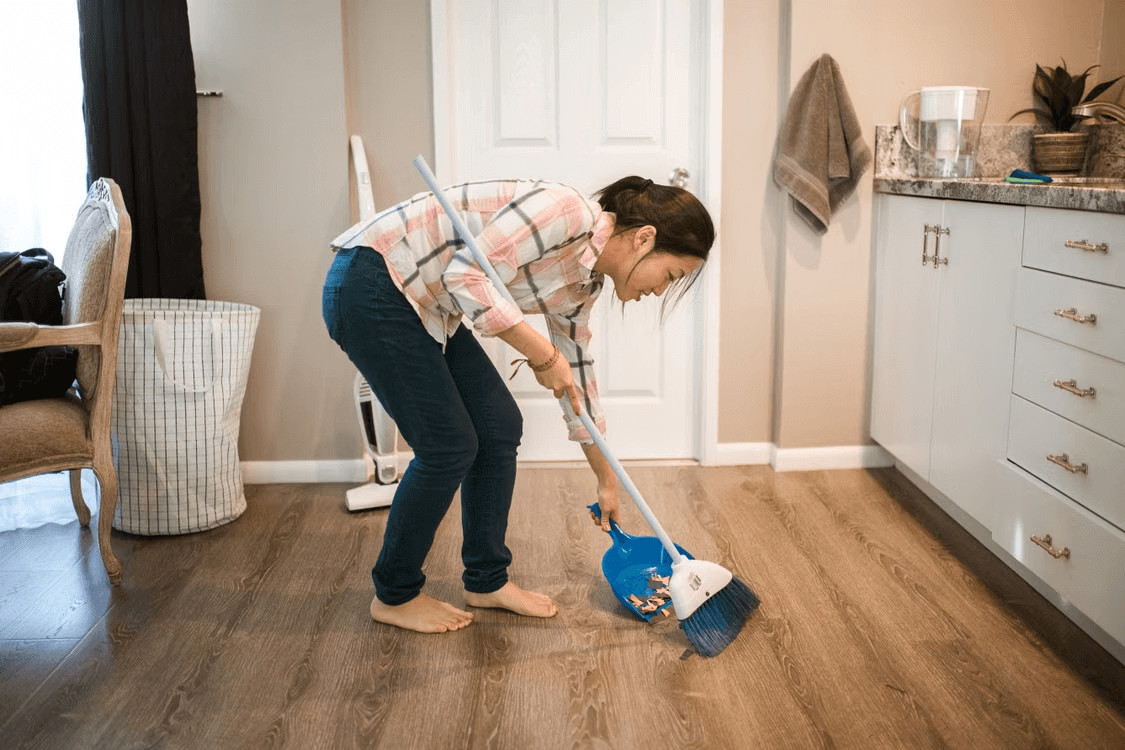
Be sure to sweep regularly and mop with an approved product. Manufacturers of flooring will let you know how to clean your hardwood and what products to use when you do so. You should follow these protocols carefully to maintain the health of your flooring for years into the future.
Be sure to take care when vacuuming, as sharp objects under the wheels of your vacuum can scratch or dent your floors. Sweeping is almost always the best method of cleaning up your hardwood, whether it’s engineered hardwood or standard hardwood flooring.
Taking care of this kind of flooring is overall quite simple, and a weekly cleaning can make a big impact on the longevity and health of your floors.
Hardwood Flooring is Built to Last
Hardwood flooring is built to last, and you should have no trouble maintaining this kind of flooring with routine upkeep. The tips in this guide will help you to manage your flooring with ease and protect it so that it will look beautiful for years into the future. Be sure that you understand how to clean and care for your hardwood flooring, and don’t be afraid to reach out to a skilled installer or maintenance team for additional support as needed.