Few things make homeowners nervous faster than spotting a crack in their foundation. Whether it’s a thin line running across a basement wall or a crack near a window, it’s natural to wonder if it’s simply part of a home’s aging process or the beginning of a much bigger issue.
The truth is that not every crack means your home’s structural integrity is at risk. Many foundations develop small cosmetic cracks over time, especially as concrete cures and settles. However, some cracks point to movement beneath the home and should never be ignored.
Understanding the difference can help homeowners make informed decisions, avoid unnecessary repairs, and address genuine structural concerns before they become far more expensive.
Why Foundation Cracks Happen
Concrete is incredibly strong under compression, but it isn’t immune to movement. As a house ages, the soil beneath it expands, contracts, and shifts with changing moisture levels. Temperature fluctuations, seasonal freeze-thaw cycles, and normal settlement can also place stress on the foundation.
In many cases, concrete naturally develops hairline cracks as it cures during the first few years after construction. These are generally expected and don’t necessarily indicate a structural problem.
The challenge is knowing when a crack falls outside the range of normal aging.
What Cosmetic Foundation Cracks Usually Look Like
Cosmetic cracks tend to have a few common characteristics.
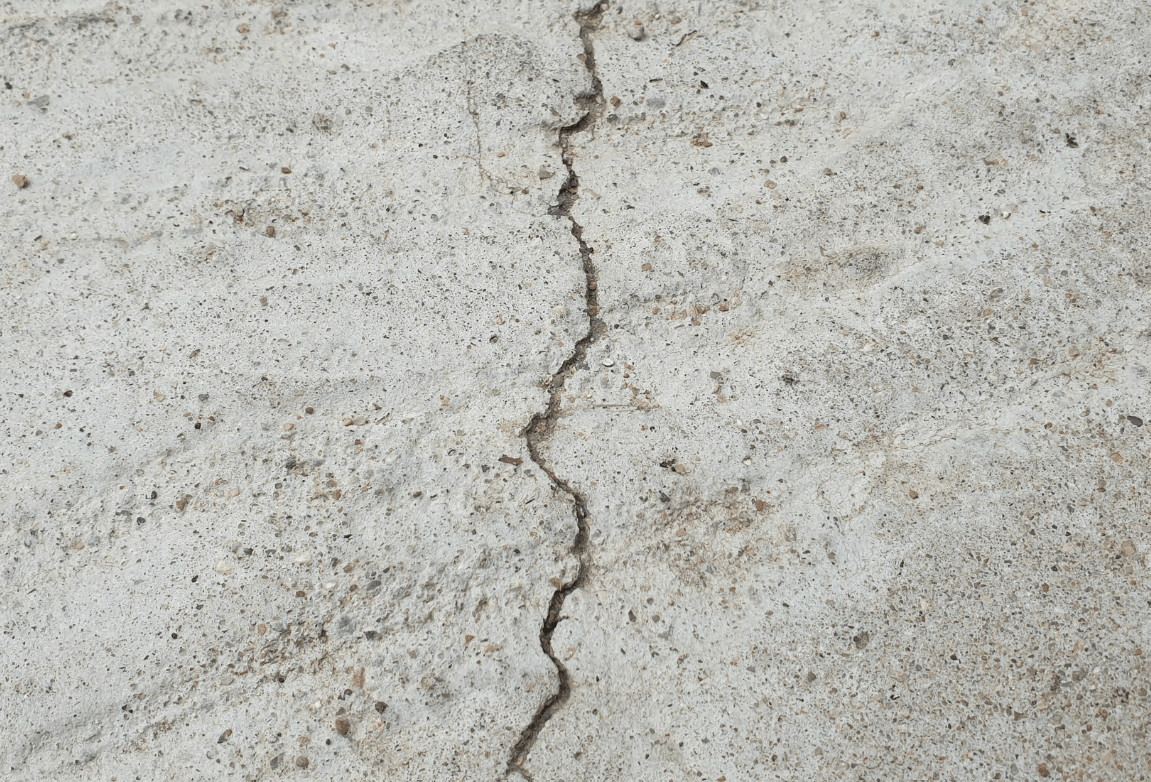
They are often very narrow, usually less than the thickness of a credit card. Many appear as straight vertical lines and remain unchanged for years. These cracks rarely cause walls to bow or floors to become uneven, and they typically don’t allow water to enter the home.
Homeowners often notice them during routine cleaning, painting, or while finishing a basement.
Although cosmetic cracks may not threaten the home’s structure, it’s still worth keeping an eye on them. Taking photographs every few months can help determine whether they’re remaining stable or gradually changing over time.
Warning Signs That a Crack May Be Structural
Some foundation cracks deserve much closer attention.
A crack becomes more concerning if it continues to widen, changes shape, or appears alongside other signs of movement throughout the home.
Potential warning signs include:
- Cracks wider than approximately 1/4 inch
- Stair-step cracks in masonry walls.
- Horizontal cracks running across foundation walls
- Walls that appear to bow inward
- Doors or windows that suddenly become difficult to open or close
- Uneven or sloping floors
- Gaps forming between walls, ceilings, or trim
- Water enters through the crack after rainfall.
One warning sign alone doesn’t automatically confirm structural damage, but several occurring together should prompt a professional evaluation.
Why Horizontal Cracks Raise More Concern
While vertical cracks are often associated with normal settlement, horizontal cracks deserve greater attention.
These cracks may develop when soil outside the foundation expands due to excess moisture, creating significant lateral pressure against basement walls. Over time, that pressure can cause the wall to bend inward or lose structural stability.
If a horizontal crack appears to widen or is accompanied by noticeable wall movement, delaying repairs can allow the problem to become much more severe.
Stair-Step Cracks Can Reveal Foundation Movement
Homes with brick, block, or stone walls sometimes develop cracks that follow the mortar joints in a stair-step pattern.
Although small stair-step cracks may result from minor settlement, larger or expanding cracks often indicate uneven movement beneath different sections of the foundation.
When one area of the home settles more than another, stress travels upward through the structure, creating visible cracking in masonry materials.
Monitoring these cracks over time is essential because gradual expansion often signals continuing movement.
Moisture Often Makes Foundation Problems Worse
Water is one of the biggest contributors to foundation issues.
Poor drainage, overflowing gutters, clogged downspouts, improper grading, and plumbing leaks can all increase the amount of moisture surrounding a foundation.
As soil absorbs water, it expands. During dry periods, it contracts again. This constant cycle places repeated stress on the foundation, increasing the likelihood of cracking and movement.
Preventing excess moisture around the home is one of the simplest ways to reduce future foundation problems.
Don’t Judge a Crack by Appearance Alone
One common mistake homeowners make is assuming that every large-looking crack is dangerous or that every small crack is harmless.
The appearance of a crack tells only part of the story.
Its location, direction, depth, rate of change, and the condition of the surrounding structure all contribute to determining whether it’s cosmetic or structural.
For example, a thin vertical crack that hasn’t changed in years may require little more than routine monitoring, while a similar-looking crack that suddenly begins widening could indicate active foundation movement.
That’s why experienced foundation specialists often evaluate the entire structure rather than focusing on a single crack in isolation.
Monitoring Before Taking Action
Not every crack requires immediate repair.
For smaller cracks that appear cosmetic, homeowners can document their condition by taking clear photographs and measuring the width every few months. Marking the ends of a crack with a pencil and recording the date can also help determine whether it’s growing.
If the crack remains stable over an extended period and no additional symptoms develop, it may simply reflect normal settlement.
However, if the crack changes noticeably, new cracks appear, or other structural warning signs develop, further evaluation becomes increasingly important.
When Professional Assessment Is Worthwhile
Foundation issues rarely improve on their own.
Ignoring active movement often allows minor problems to become larger, more expensive repairs over time.
A professional assessment is generally recommended when:
- Cracks continue growing
- Water regularly enters through foundation walls.
- Multiple cracks appear throughout the home.
- Floors become uneven
- Basement walls begin bowing.
- Doors and windows no longer operate normally.
- New cracks appear after heavy rainfall or prolonged drought.
Early intervention often provides more repair options than waiting until structural movement becomes severe.
Preventing Future Foundation Problems
While not every foundation issue can be prevented, several maintenance habits can reduce unnecessary stress on the structure.
Maintaining clean gutters, extending downspouts away from the home, grading soil so water drains away from the foundation, repairing plumbing leaks promptly, and avoiding excessive watering near exterior walls all help manage soil moisture.
Trees planted too close to a home may also influence soil moisture over time, particularly in areas where large root systems remove significant amounts of water from the ground.
Routine exterior inspections allow homeowners to identify drainage issues before they begin affecting the foundation itself.
Final Thoughts
Finding a crack in your foundation doesn’t automatically mean your home has a serious structural problem. Many small vertical cracks are simply part of a concrete foundation’s normal aging process and remain stable for decades.
The key is learning to recognize the warning signs that separate harmless cosmetic imperfections from cracks caused by active structural movement.
Changes in crack width, horizontal or stair-step patterns, water intrusion, sticking doors, uneven floors, and bowing walls all deserve closer attention.
By monitoring foundation cracks, addressing drainage issues promptly, and seeking professional advice when warning signs appear, homeowners can protect both their property’s value and its long-term structural stability before relatively small issues develop into much larger repairs.