Modern design often focuses on clean lines, raw materials, and open floor layouts. Many people assume soft textile floor coverings belong exclusively in historic or vintage houses.
Soft textiles complete minimalist rooms by balancing hard surfaces. Adding warmth to sleek spaces transforms cool rooms into welcoming living environments.
Breaking the Traditional Stigma
Floor coverings were once tied to ornate patterns and dark wooden furniture. Modern interior concepts now treat soft textures as dynamic design elements rather than outdated relics.
Neutral tones and bold geometric shapes fit effortlessly into contemporary apartments. Sleek leather furniture pairs smoothly with subtle floor patterns.
Choosing clean patterns brings harmony to sharp architecture. Simple design choices bridge the gap between classic comfort and fresh aesthetics. Selecting understated floor pieces allows modern furniture to stay front and center.
Carefully chosen materials add character without distracting from architectural features. Contemporary living rooms gain subtle depth through thoughtful textile placement. Simple updates revive minimalist spaces with minimal effort.
Grounding Open Floor Plans
Large open rooms can feel scattered without clear structural boundaries. Interior designers use textured floor pieces to define distinct zones for dining or resting.
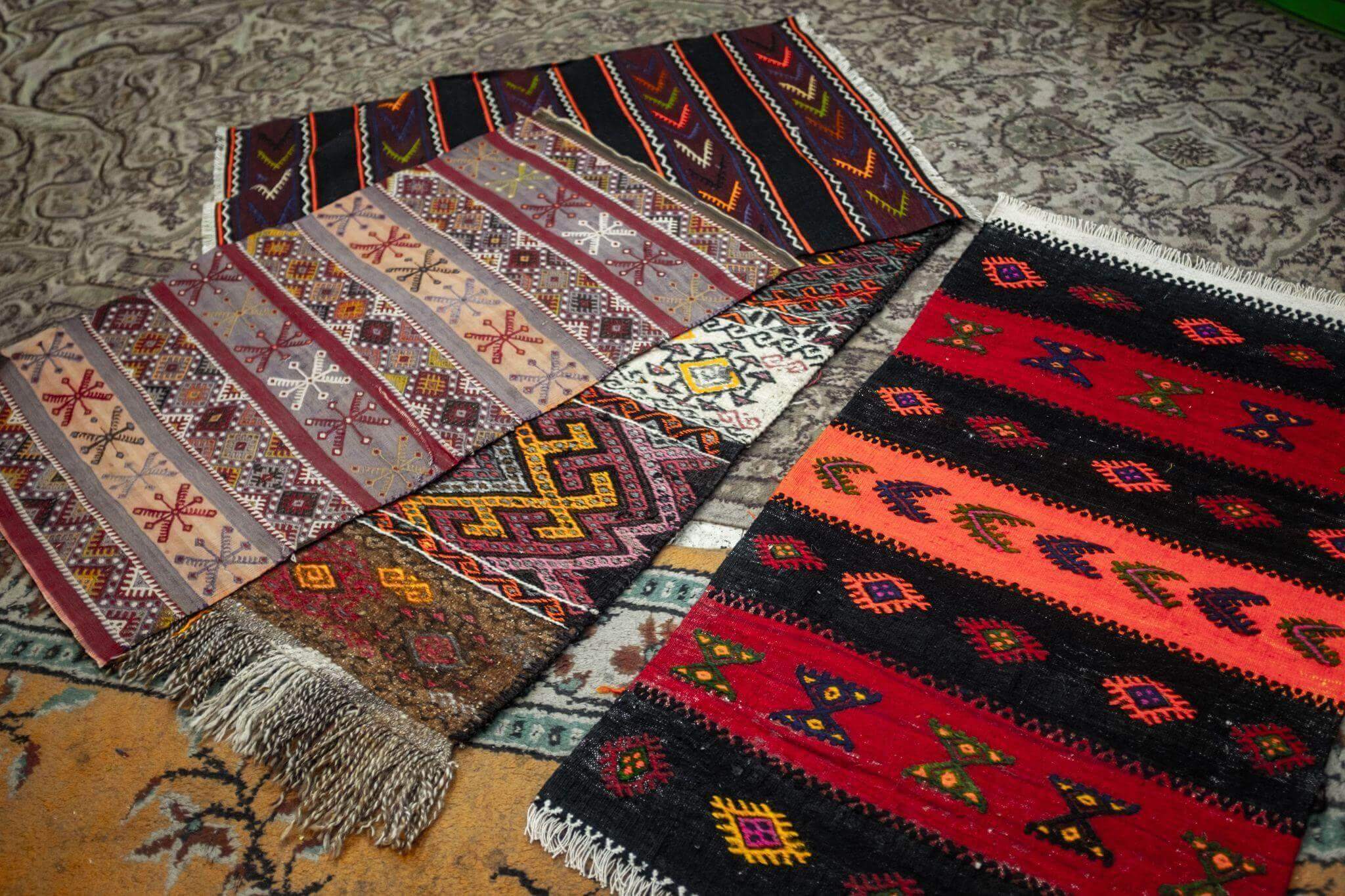
Soft materials create visual borders without relying on physical wall dividers. Integrating handmade large area rugs into expansive spaces brings immediate structure to open living rooms. The right placement unifies seating arrangements into cohesive functional areas.
Clear zones make big rooms feel intentional and organized. Floating furniture pieces look anchored when aligned with textured base layers.
Defining pathways between rooms keeps traffic flowing naturally across large spaces. Broad floor textiles keep furniture arrangements securely tied together. Thoughtful layouts transform huge open lofts into cozy, practical zones.
Softening Industrial Architecture
Exposed brick, raw concrete, and steel beams dominate industrial layouts. Hard building elements look impressive, but raw materials often make homes feel cold.
Soft floor layers introduce needed tactile balance against rough structural surfaces. A recent design publication noted that modern industrial spaces utilizing handcrafted floor textiles measured a 40% reduction in ambient acoustic echo. Lower noise levels create a peaceful home environment.
Sound management makes high-ceiling spaces much more liveable. Comfort increases when harsh echo gets absorbed by thick weaves.
Covering cold concrete floor tiles makes living areas feel warm underfoot. Natural fibers balance metallic frames and exposed ductwork cleanly. Industrial homes gain human warmth without losing architectural edge.
Balancing Minimalist Aesthetics
Minimalist rooms risk looking unfinished if floor surfaces remain completely bare. Adding subtle floor elements creates depth without introducing unwanted clutter.
Minimal design thrives on intentional material contrasts rather than extra ornaments. Soft textiles underneath simple furniture pieces create striking visual tension.
Monochromatic colors keep visual distractions low and maximize physical comfort. Bare floors gain personality without sacrificing clean aesthetic goals.
Structured textures give flat rooms a quiet sense of luxury. Simple room designs feel complete when grounded by subtle woven layers. Quality craftsmanship shines brightly within pared-down interiors.
Elevating Modern Color Schemes
Contemporary spaces frequently rely on gray, white, and muted earth tones. Floor textiles provide a simple canvas to introduce quiet color accents.
Distinct accents work well across modern spaces:
- Deep blue tones contrast against light oak flooring.
- Warm terracotta shades soften grey concrete tiles.
- Olive green motifs bring organic warmth indoors.
Swapping floor pieces lets homeowners refresh room tones without repainting walls. Small color adjustments alter ambient light in modern spaces.
Subtle patterns pull scattered accent colors together cleanly. A single floor piece unifies wall art, cushions, and window treatments effortlessly. Color palettes feel deliberate and grounded across open rooms. Brightening neutral settings creates an inviting atmosphere.
Adding Texture to Sleek Spaces
Glass tables, polished metal, and leather seating dominate modern living rooms. Without varied textures, flat surfaces end up feeling monotonous.
High-pile weaves or structured flat weaves break up smooth surface finishes. Varied textures make minimalism feel inviting instead of clinical.
Touching different materials throughout the day creates a rich sensory experience. Subtle tactile layers make contemporary living areas feel complete.
Mixing smooth glass surfaces with nubby woven textiles builds sophisticated balance. Tactile contrasts prevent modern interiors from looking flat or sterile. Depth comes naturally through varied material selections. Daily living spaces feel far warmer when diverse textures interact.
Protecting Contemporary Flooring
Hardwood, polished concrete, and luxury vinyl represent major home investments. Heavy foot traffic and moving furniture constantly threaten smooth surface finishes.
Key protective benefits include:
- Protective backings guard hardwood against scratches.
- Cushioning absorbs heavy impact from daily walking.
- Dense weaves prevent heavy chair legs from denting floors.
Shielding main walkways preserves floor quality over many years. Smart floor coverage saves money on expensive resurfacing projects.
High-traffic areas stay pristine under durable protective floor layers. Preserving original flooring maintains property value over long periods. Functional benefits match aesthetic upgrades seamlessly. Strategic protective choices keep floor surfaces looking brand new.
Creating Warmth in High-Ceiling Rooms
Loft spaces and modern builds feature rising ceilings and sweeping glass walls. Soaring height creates a sense of scale, but heat escapes upward.
Floor textiles act as natural thermal insulation underfoot during cold weather. Stepping onto warm wool surfaces keeps living areas cozy in winter months.
Retaining floor-level warmth lowers heating needs during cooler seasons. Comfortable temperatures make spacious lofts enjoyable year-round.
Insulating cold floor surfaces creates immediate physical comfort for occupants. Thermal efficiency improves naturally with thick wool floor coverings. Coziness transforms tall rooms into welcoming spaces. Chilly mornings feel far more comfortable on soft floor coverings.
Styling Tips for Modern Layouts
Selecting the right floor covering requires measuring furniture footprints carefully. All major seating legs should rest comfortably on the central textile base.
Leaving 12 inches of exposed floor near room borders maintains clean visual space. Proper spacing keeps modern layouts looking intentional rather than crowded.
Simple geometrical patterns match linear modern architecture seamlessly. Clean grid lines or solid neutral weaves fit contemporary styling goals best.
Scaling floor textiles correctly prevents rooms from looking cramped or awkward. Proportional balance brings harmony to modern furniture layouts. Strategic placement highlights fine architectural details effortlessly. Careful layout planning creates balanced spaces that feel open and functional.
Modern home interiors benefit immensely from soft floor treatments. Combining contemporary architecture with tactile comfort creates balanced, functional living spaces.
Updating minimalist rooms with soft base layers blends functional practicality with clean design. Floor textiles remain versatile choices for every modern style.