The modern home is currently undergoing a profound and highly necessary transformation. Beyond aesthetic interior upgrades, architectural changes, and the integration of smart home technology, a quiet but incredibly impactful revolution is happening in our most private sanctuaries: the bedroom. Today, homeowners are increasingly ditching traditional, synthetic, and chemically treated linens in favor of eco-friendly alternatives. But why the sudden and massive shift?
As global awareness of environmental issues reaches an all-time high, the very definition of a “luxury home” has evolved. True luxury no longer just means high thread counts and ornate designs; it now encompasses sustainability, wellness, and ethical consumption.
Eco-bedding, meticulously crafted from natural materials like bamboo, organic cotton, hemp, and eucalyptus, sits perfectly at the intersection of these modern values. It promises not just a better, more restorative night’s sleep, but also a clearer conscience.
This comprehensive guide explores the multifaceted driving forces behind the eco-bedding movement, examining the environmental imperatives, the personal health benefits, and the long-term economic advantages that are convincing homeowners across the globe to make the switch.
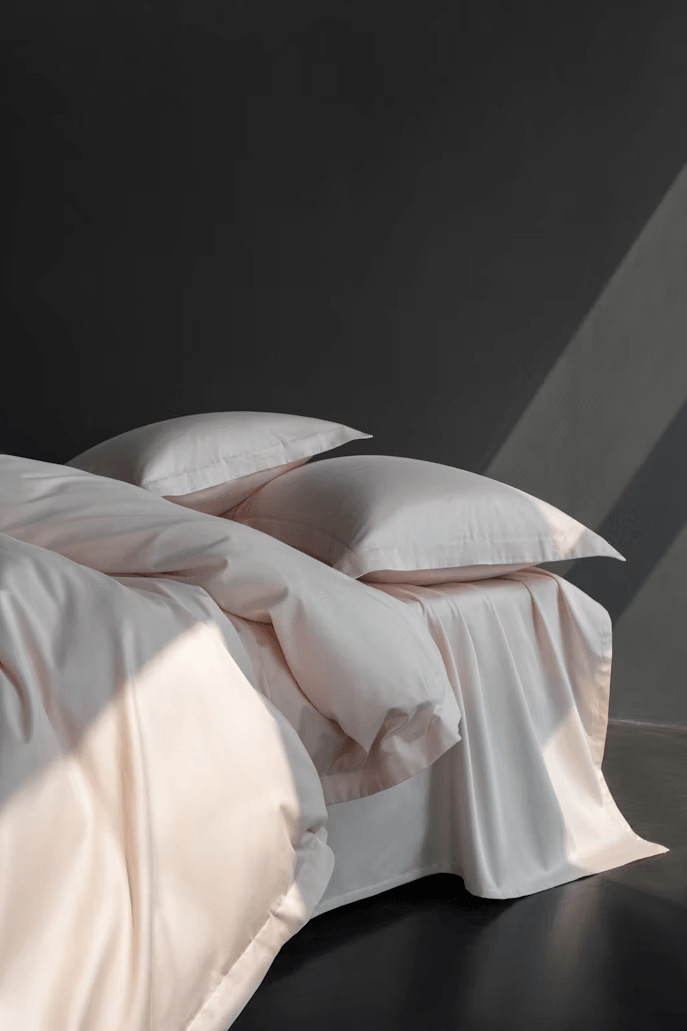
The Bamboo Boom: A Case Study in Sustainable Luxury
When processed and spun into fabric, especially using modern, closed-loop systems that recycle water and non-toxic solvents, bamboo yields a remarkably soft textile. It is frequently compared to the luxurious drape of high thread-count silk or the plush softness of cashmere. It resists static electricity, drapes beautifully over the body, and maintains its incredibly luxurious feel wash after wash.
Homeowners who transition from standard cotton to bamboo frequently report an immediate and noticeable upgrade in their overall sleep quality. For those who want to validate these impressive claims before making a household investment, exploring verified consumer experiences is a vital step.
For example, if you bought from this brand, reading genuine feedback on Panda’s bamboo products can provide shoppers with excellent, real-world insights into the long-term durability and cloud-like softness. This will help you understand the overall customer satisfaction that this specific type of premium eco-bedding can offer.
The Environmental Cost of Traditional Bedding
To truly understand the meteoric rise of eco-bedding, one must first critically examine the hidden costs of traditional bedding options. According to the World Wildlife Fund (WWF), producing just one kilogram of conventional cotton can require up to 20,000 liters of water. When extrapolated to the size of a king-size duvet cover, four pillowcases, and a fitted sheet, the water footprint becomes astronomically high.
Furthermore, synthetic fabrics like polyester and microfiber are essentially derived from petroleum. The manufacturing process of these synthetic materials is highly energy-intensive and releases significant greenhouse gases into the atmosphere. To make matters worse, every time polyester sheets are washed, they shed microscopic plastic fibers into the wastewater system.
These microplastics bypass filtration plants and eventually find their way into our rivers, oceans, and marine ecosystems. By switching to eco-friendly, biodegradable materials, homeowners are actively reducing their water footprint, minimizing harmful pesticide runoff, and curbing microplastic pollution.
Unmatched Comfort and Advanced Temperature Regulation
While environmental altruism is undoubtedly a powerful motivator for the modern consumer, the primary function of bedding remains the same: to provide a comfortable night’s sleep. In this arena, eco-bedding truly outshines its conventional, mass-produced counterparts. Natural, sustainably sourced fibers possess inherent structural properties that synthetic materials simply cannot replicate.
Human body temperature naturally fluctuates throughout the night as we move through different sleep cycles. Traditional polyester blends are notorious for trapping heat and moisture, acting as a barrier that leads to night sweats, overheating, and ultimately, restless sleep. In stark contrast, natural eco-fibers like bamboo and eucalyptus (Tencel) are naturally thermoregulating. They are highly breathable and feature advanced moisture-wicking capabilities.
These materials adapt to the body’s microclimate, pulling moisture away from the skin and allowing it to evaporate quickly. This keeps sleepers pleasantly cool in the sweltering summer months and insulated during the harsh winter. This exceptional breathability not only enhances immediate physical comfort but also promotes deeper, uninterrupted sleep cycles.
Hypoallergenic Properties and Improved Skin Health
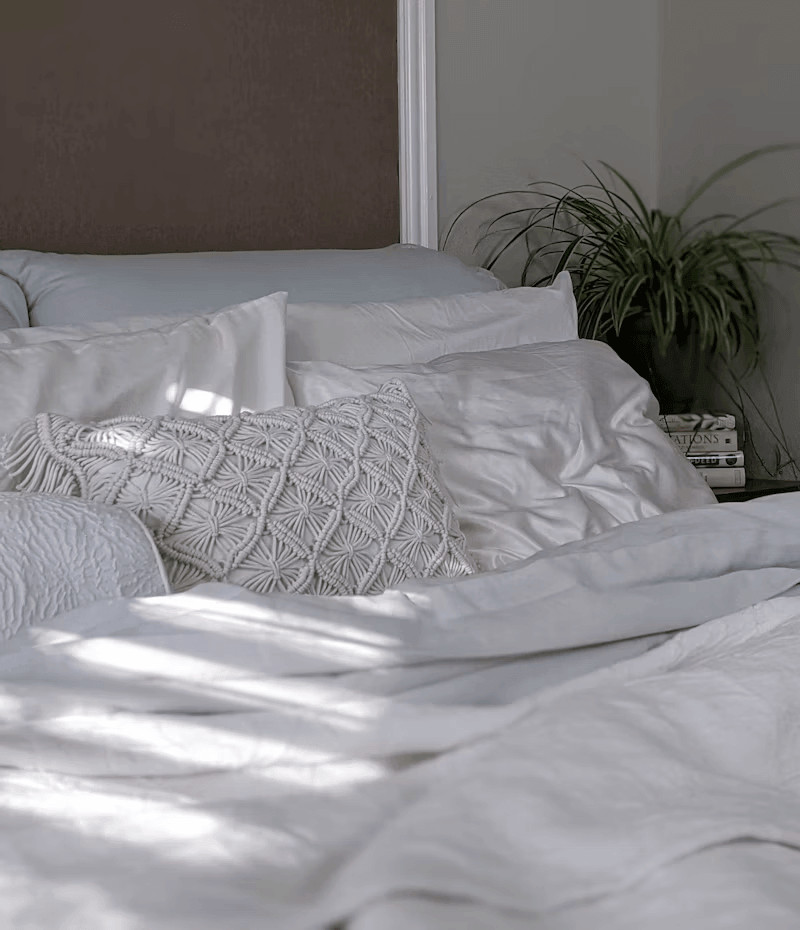
Another major, yet often overlooked, factor driving homeowners toward eco-friendly bedding is the profound impact on personal health and dermatological hygiene. Traditional bedding often undergoes heavy, industrialized chemical processing.
This can include treatments with formaldehyde to make sheets wrinkle-resistant, as well as the use of harsh, synthetic chemical dyes that can severely irritate sensitive skin. For individuals suffering from conditions like eczema, contact dermatitis, or severe respiratory allergies, these hidden chemicals can exacerbate their symptoms nightly.
Eco-friendly materials, particularly those that are certified organic or sustainably processed, entirely bypass these toxic finishing processes. Furthermore, materials like bamboo and hemp boast naturally antibacterial and antimicrobial properties.
They naturally resist dust mites, mold, and mildew – which are some of the most common household allergens that tend to thrive in standard, synthetic bedding environments. By investing in and creating a cleaner, more hygienic sleep space, eco-bedding offers a haven for allergy sufferers and provides a much gentler, non-toxic option for young children and babies whose skin is highly permeable.
Economic Value and Long-Term Durability
A relatively common misconception regarding eco-friendly household products is that they are prohibitively expensive and solely reserved for luxury budgets. While it is certainly true that high-quality organic cotton or premium bamboo sheets may carry a slightly higher upfront price tag than cheap, heavily manufactured polyester blends, savvy homeowners are increasingly recognizing them as a smart, long-term financial investment.
Natural, eco-friendly fibers are generally significantly stronger and much more durable than their synthetic counterparts. When cared for properly, washed on gentle cycles with eco-friendly detergents, high-quality eco-bedding can easily last for years without succumbing to pilling, thinning, or losing its structural integrity.
Over time, the “cost per use” of a durable set of eco-sheets often turns out to be much lower than the cost of constantly replacing cheap, easily degraded synthetic bedding that tears or loses its elasticity after just a few months. This conscious shift away from a “throwaway” culture toward an investment-based mindset is a defining hallmark of the modern, economically and environmentally conscious consumer.
The widespread transition toward eco-bedding is much more than a fleeting interior design trend; it represents a fundamental shift in how we value our personal health, our homes, and the future of our planet. As the array of beautiful, sustainable options continues to expand, and as the undeniable benefits of materials like bamboo and organic cotton become more widely understood, eco-bedding is undoubtedly poised to become the new, universal standard for modern, responsible living.