Home security systems are designed to provide peace of mind, but when they start malfunctioning, that confidence can quickly turn into frustration. Many homeowners encounter issues they do not fully understand, which is why having access to resources like a Honeywell alarm codes cheat sheet can be essential for identifying system alerts and resolving problems efficiently.
Instead of assuming the system is broken, it is often more productive to understand the underlying causes and address them methodically. A poorly functioning alarm system is usually the result of overlooked details rather than major failures. By learning how these systems operate, you can regain control and restore reliable protection.
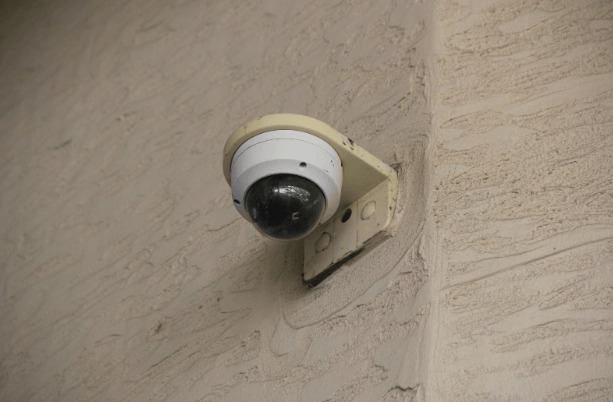
Common User Errors That Disrupt Performance
One of the most frequent reasons a home security system fails to work properly is simple user error. Incorrect arming or disarming procedures can lead to false alarms or system confusion. Many users do not fully understand the difference between various modes, which can create gaps in security coverage.
Another issue arises when codes are entered incorrectly or when outdated user credentials are still in use. Over time, households change, and access codes should be updated to reflect those changes. Failure to manage these details can result in systems that appear unreliable but are actually responding to incorrect inputs.
Sensor and Hardware Malfunctions
Sensors play a critical role in detecting motion, entry, and environmental changes, but they are not immune to wear and tear. Dust buildup, battery depletion, or physical damage can cause sensors to misfire or stop working entirely. When a sensor fails, the entire system can become less effective or produce constant alerts.
In some cases, sensors may be installed in suboptimal locations. Poor placement can lead to false triggers from pets, sunlight, or airflow. Ensuring that each component is correctly positioned and regularly maintained is key to keeping the system functioning as intended.
Communication and Connectivity Issues
Modern home security systems often rely on wireless communication, which introduces another layer of potential problems. Weak signals, interference from other devices, or outdated network settings can disrupt communication between components. When devices cannot communicate effectively, alerts may not reach the control panel or monitoring service.
Internet connectivity also plays a significant role in system performance. If your system relies on Wi-Fi or cellular signals, interruptions can prevent real-time monitoring. Regularly checking your network stability and updating system firmware can help maintain consistent communication.
Power Supply and Battery Problems
A reliable power source is essential for any security system, yet it is often overlooked. Backup batteries are designed to keep systems running during outages, but they degrade over time. When batteries are low or failing, systems may produce warning signals or stop functioning altogether.
Additionally, power surges or an inconsistent electrical supply can damage system components. Using surge protectors and routinely checking battery levels can prevent unexpected failures. Keeping your system consistently powered ensures it remains operational when you need it most.
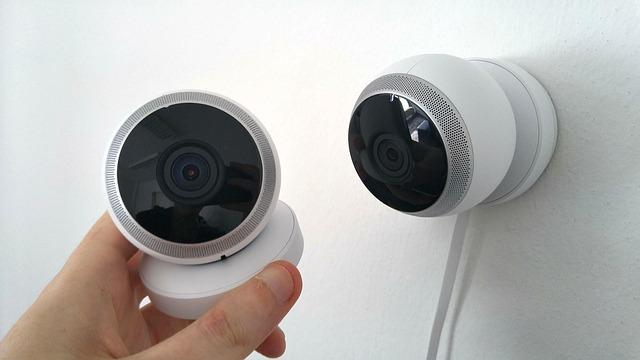
Misinterpreting System Alerts and Codes
Alarm systems communicate issues through codes and alerts, but these messages are not always intuitive. Many users ignore or misunderstand these signals, assuming they are minor glitches. In reality, these alerts often indicate specific problems that require immediate attention.
Understanding what each code means can make a significant difference in troubleshooting. Instead of guessing, referencing a reliable guide allows you to address issues quickly and accurately. This approach reduces downtime and prevents minor issues from escalating into major problems.
Lack of Regular Maintenance and Updates
Like any technology, home security systems require ongoing maintenance to perform at their best. Neglecting routine checks can lead to unnoticed issues that accumulate over time. Regular inspections help identify weak points before they compromise the entire system.
Software updates are equally important, especially for smart security systems. Manufacturers release updates to fix bugs, improve performance, and enhance security features. Keeping your system up to date ensures that it operates efficiently and remains protected against evolving threats.
A home security system that is not working as it should is rarely beyond repair, and most issues can be resolved with careful attention and basic troubleshooting. By understanding how your system operates, maintaining its components, and responding to alerts appropriately, you can restore its reliability and effectiveness.
Small adjustments often lead to significant improvements in performance. Taking a proactive approach not only fixes current problems but also prevents future ones. Ultimately, a well-maintained system delivers the safety and confidence it was designed to provide.