Someone on a renovation forum recently described trying to retile a bathroom while living out of boxes at a friend’s place across town. Drive over, work until dark, drive back. After two weeks, they realized they’d used the wrong grout color. Twice.
It’s a familiar kind of mess. People renovating during a move tend to rush, and rushing a DIY project is basically an invitation for things to go sideways. According to U.S. Census Bureau data on geographic mobility, roughly 11% of Americans changed residences last year. A decent chunk of those people are stuck in overlap periods, where the old place needs work, the new place isn’t ready, or both.
That gap between homes creates a weird pressure to get everything done fast.
The “Living Elsewhere” Tax
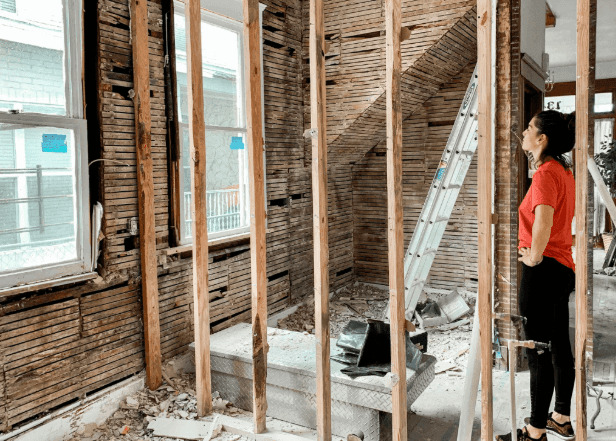
Here’s what nobody talks about enough. When you’re not sleeping in the house you’re renovating, every forgotten tool, every missing supply run, every “I’ll grab that tomorrow” moment turns into a 40-minute round trip. Or longer.
Relocating professionals and business travelers deal with this constantly. Someone staying in short term rentals near Square One in Mississauga or any furnished temporary setup knows the drill, coordinating contractors from an apartment halfway across the city. It can work well if the temporary place is comfortable enough that you’re not distracted by your own living situation. But the hidden cost is time. Every errand takes longer, every site visit eats the day differently.
A rough rule some DIYers throw around: add 30% more time if you’re not on-site. Which means 30% more cost, too.
Buying All Your Materials Up Front
Counterintuitive, this one. Bulk buying feels efficient. You’re at the hardware store, you’ve got the truck, might as well load up for the next three weekends.
But plans change. Especially during a move. Maybe the flooring doesn’t match once it’s next to the existing trim. Maybe you find water damage behind a wall (and poorly planned relocations tend to surface surprises like that faster, since there’s less time to investigate). Now you’ve got $400 in materials you can’t return because you opened the packaging.
Buying in stages means more trips. Annoying? Sure. But less annoying than a garage full of tile you’ll never use.
Skipping the Sequencing
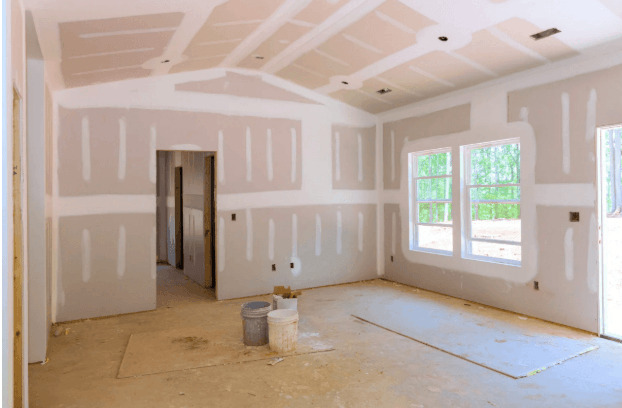
Look, there’s a reason contractors do things in a specific order. Electrical before drywall. Framing before plumbing. Paint after flooring, or before, depending on who you ask, and honestly that debate will never die.
The Global Business Travel Association recently reported that corporate travel spending hit record highs. More professionals are working away from home for extended stretches, and for those people especially, the temptation to fast-track a renovation and skip straight to the cosmetic stuff is enormous. Painting, fixtures, trim. Makes sense emotionally. You want to see progress. But finishing before the rough work is sorted leads to rework, damage, and money down the drain.
The house doesn’t care about your timeline. It just needs things done properly.
And if the bathroom stays ugly for another few weeks… worse things have happened.