Taking on a major home project, whether it’s a renovation, remodel, or new construction, can be thrilling. But it’s also a huge financial commitment. Without proper planning, the excitement can quickly turn into stress, especially when unexpected costs pop up. To avoid a financial nightmare, you’ll want to optimize your finances before you start.
Here’s how to make sure you’re financially prepared for your home project, and how the right financial services can help along the way.
1. Take a Good Look at Your Financial Situation
Before you even begin planning your project, it’s essential to take stock of your finances. This means reviewing your bank accounts, savings, and outstanding debts. Are there any credit cards or loans hanging over your head that might affect your ability to take on a major project? What’s the state of your emergency fund?
When it comes to home projects, unexpected costs are the norm. Whether it’s surprise repairs or fluctuating material prices, it’s important to have a buffer in place. If you don’t already have one, start building your emergency fund now, so you’re not caught off guard when something goes wrong. Some homeowners also look into diversifying their financial safety net with tangible assets, and you can click here to explore how gold bars may complement a broader financial preparedness strategy.
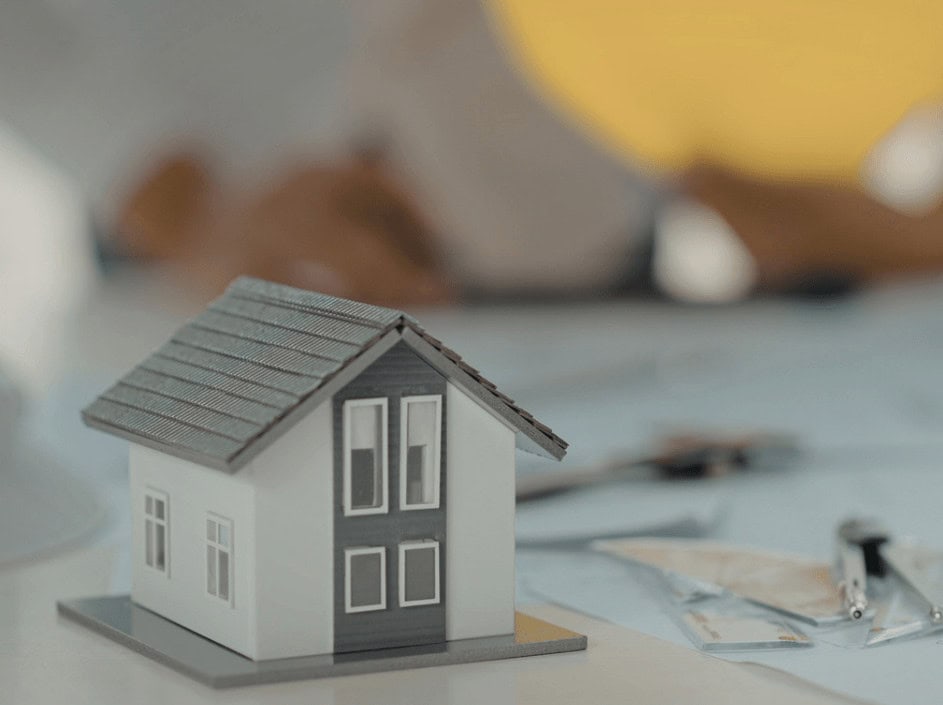
2. Build a Realistic Budget
Once you’ve reviewed your financial situation, you can start building your project’s budget. Think about all the elements involved: materials, labor, permits, design fees, and more. Home projects almost always end up costing more than initially planned, so it’s smart to overestimate and give yourself some breathing room.
To help you stay on track, consider the perks of premium banking services. These services often offer rewards and tools that can help you build your savings more effectively and manage your finances as you work through your home project. Whether it’s higher savings rates, cashback on regular purchases, or financial planning support, these services can provide the tools you need to stay on top of your budget.
3. Look Into Financing Your Project
Financing a major home project is a significant decision, and there are several ways to go about it. Whether you use your savings or take out a loan, the key is to pick an option that aligns with your financial goals and your project’s scale.
Here are some options to consider:
- Home Equity Loan or HELOC: If you’ve been in your home for a while, a home equity loan or line of credit might be a great option. These loans typically come with lower interest rates since they’re secured by your property. However, keep in mind that your home is on the line if you miss payments.
- Personal Loans: If you don’t want to put your home at risk, consider a personal loan. These are typically unsecured, meaning they don’t require collateral. While they may come with higher interest rates, they’re a good option for smaller projects.
- Credit Cards: For smaller projects or purchases, credit cards with low or 0% introductory APR can be helpful. Just make sure you pay it off before the rate increases.
Some financial services also offer discounted loan rates or additional perks that can make financing more affordable. Consider whether those options could help reduce your overall interest payments or give you access to better loan terms.
4. Trim Down Unnecessary Spending
Another way to optimize your finances is to reduce your day-to-day spending. Cutting back on non-essential purchases can free up more cash to put toward your home project. It doesn’t mean you have to cut out all luxuries, but being mindful of where your money goes can make a big difference.
Take a look at your subscriptions. Are there services you’re paying for but rarely using? Dining out less often or limiting impulse buys can also add up over time. By cutting back on these everyday expenses, you’ll find you have more available for your project without the need to take on additional debt.

5. Consult With a Financial Professional
If you’re unsure about how to structure your project’s finances or want some expert advice, it’s a great idea to consult with a financial planner. Many banks offer unlimited financial planning sessions with experts who can help you create a sustainable financial strategy for your project.
A professional can help you assess the best financing options, create a manageable budget, and ensure that you’re on track with your financial goals. Having this personalized support is invaluable when dealing with the complexities of a large-scale home project.
Conclusion
Optimizing your finances before starting a major home project is key to ensuring success. By reviewing your financial situation, building a realistic budget, exploring financing options, and cutting back on unnecessary spending, you’ll be well on your way to staying on track. With the added support of premium financial services, you can maximize your savings, reduce costs, and get personalized advice, all of which make your home project more financially manageable.
With proper planning and the right financial tools, you’ll be able to turn your dream home into a reality, without breaking the bank.