The nature of small rental spaces dictates that the storage solutions need not be permanent and permanent to the wall and the building. The removable shelving will be flexible to arrange the belongings and keep the property in its original state.
This method is particularly effective with individuals residing in apartments or rented houses where they cannot make modifications. It also aids in utilizing the vertical space that in most cases is underutilized in small rooms.
Careful planning will also make sure that the shelves can be erected in place and removed without damage making them applicable in the long run in various living conditions. Here are practical tips on how to build removable shelving especially for small rental spaces.
Initial Space Assessment for Removable Shelving
The available space should be evaluated before constructing removable shelving. Wall width, ceiling height and floor clearance are measured to identify the most efficient design.
Even a few inches make a difference in small rooms regarding the functionality of shelves after installation. It is also advisable to determine fields where there is little foot traffic in order that the shelving does not hinder day-to-day traffic.
During this stage, it is also important to consider how the existing furniture is placed. The layout must be supplemented by shelves instead of being crowded. In most situations, tenants who are about to look at houses for rent in Calgary or other urban market areas can discover that modular shelving systems provide the most suitable adaptability and functionality in limited-space living conditions.
Choosing Materials for Temporary Structures
The choice of the materials is crucial in designing a sturdy yet easy-to-take-down shelving. High quality plastic supports, aluminum brackets and lightweight wood panels are usually the preferred ones since they are strong without being a burden. The materials also minimize the chances of damaging the walls when dismantling of the system takes place.
The type of fasteners to be used must be carefully selected so that they do not produce permanent marks. Tension rods, adhesive mounting systems (rented), as well as adjustable frames can all be effective.
The aim is to design a weight-bearing system that can safely bear weight and still be removed fully without the need of repairs; this is more so with the renters who are keen about the terms of their lease and other problems like tenant abandonment wars when vacating a property.
Designing Adjustable Shelf Layouts
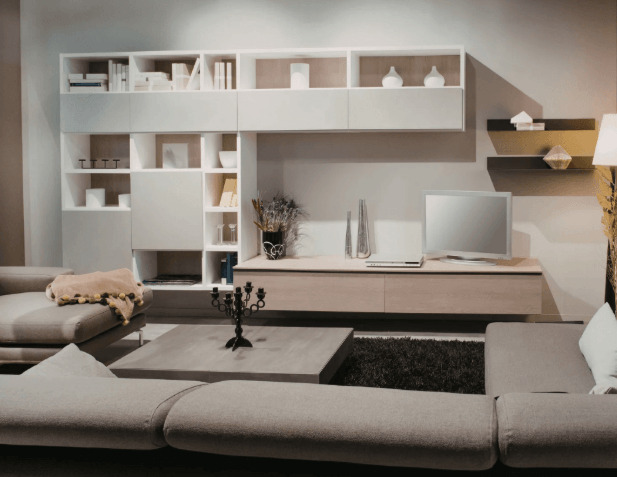
Shelving in small rental spaces should have a flexible layout. Adjustable shelves enable users to alter the distance according to their storage requirements, like books, kitchenware, or decorations. This flexibility assists in increasing the shelf system usefulness in the event of changes in needs with time.
Efficiency can also be achieved through designing with modular sections. Rather than a single structure, individual units can be reconfigured or stacked in various configurations. This will allow the shelving to be easily adjusted to new rooms in the event the renter changes. It also minimises waste as parts can be reused instead of being disposed of.
Installing Without Permanent Wall Damage
The installation must be done with the aim of being stable without permanent impressions. The application of pressure mounted frames which are based on tension between the floor and ceiling is one such effective method.
These systems evenly distribute weight and do not require any drilling into walls. They are mostly applicable in apartments where they are not allowed to make structural changes.
Alternative is the use of an adhesive mounting system which is designed to be used in the rental setting. The strength of these adhesives is sufficient to hold moderate weight but can be easily removed in case one knows how to do it. Proper installation will make sure that the shelving does not endanger the rental property but at the same time, safeguard its integrity.
Maximizing Vertical Storage Efficiency
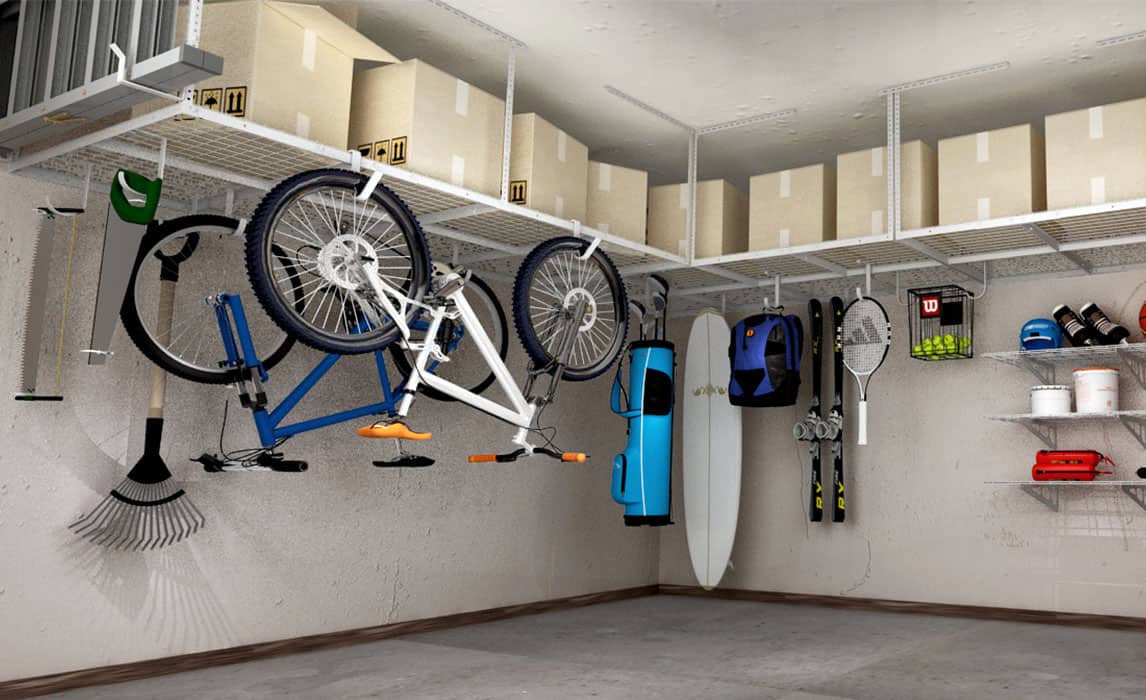
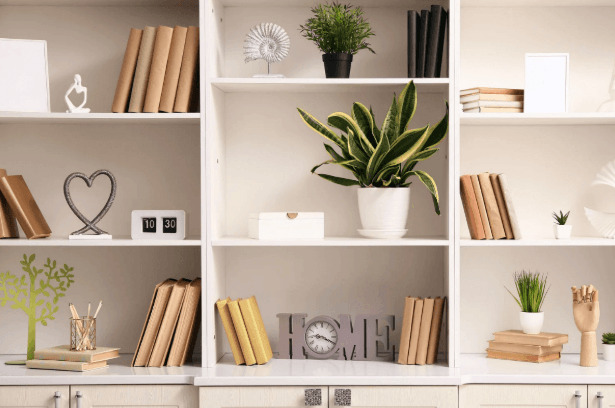
In small rental units, vertical space is not utilized well, and so it is a good location to expand its shelving. The upward construction instead of the outward construction enables the renters to keep more things without cutting the available floor space. This is particularly significant in small apartments or bedrooms.
Shelves must be arranged to achieve maximum efficiency, based on height of the item and how frequently it is used. The most frequently used should be positioned at eye level and those that are rarely used can be stacked higher. This is a technique that enhances accessibility whilst maintaining order and balance of the living space.
Adapting Shelving for Multi Use Rooms
Many rental spaces have multi-purpose rooms where various activities are carried out including sleeping, working and storage. These zones can be defined using removable shelving without being made permanently. Even lightweight shelves can serve as subtle barriers but still have the ability to store items.
This is flexible and means that renters can reorganize their space on demand. An example is a shelving unit that can be employed in a living room before being later transferred to a bedroom or a hallway without any problems. This flexibility particularly comes in handy in the case of long-term rentals when living conditions do vary over time.
Maintenance and Safe Removal Practices
Removable shelving should be in proper maintenance to avoid any risk of being spoiled or unusable during its use. Periodical inspection of loose fittings or weight movement can be used to avoid accidents. Dust accumulation which is a result of not having the shelves cleaned often also leads to the appearance and stability.
Removal of the shelving should also be carried out gradually and cautiously when the time comes. Adhesive systems are to be loosened as per the instructions of the manufacturer to prevent damage on the surface. Hydraulic pressure released systems must be discharged slowly in order to avoid abrupt changes. This cautious measure will keep the state of the rental property intact and will make it inspection or turnover without any troubles.
Conclusion
Portable shelves provide a viable solution to increase storage in small rental spaces and maintain property condition. Its key benefit is that it is flexible, and the tenants can plan and replan their living space without a long-term commitment to structural modifications. These systems can be installed and used on a daily basis when properly planned and installed without contravening the rules of rental.
In the long term, flexible shelving will enhance the efficiency of space utilization and will make small rooms appear tidier and spacious. With attentive removal and maintenance, shelving elements as well as the rental unit are in good condition and can be used in the future. This is a long term solution which can be transferred with the tenant to one space to another without any unnecessary wastage or repairing.