Most drivers tend to think of traction as something straightforward. As long as the tires are gripping the road, everything feels under control, and if that grip weakens, slowing down should fix the problem.
That logic works well enough for everyday driving, but trucks don’t operate within those same boundaries. Their size, weight, and structural design introduce a level of complexity that makes traction far less predictable. This leaves a much smaller margin for error and far greater consequences when something goes wrong.
Recent incidents involving semi-trucks and pickup vehicles show that loss of traction isn’t always about reckless driving. It’s often about how vehicles interact with wind, weight, and road conditions.
Once you understand truck traction, it becomes clear why accidents unfold the way they do and escalate quickly.
Truck Traction Starts with Weight, Not Just Tires
One of the biggest misconceptions is that heavier vehicles automatically have better grip. In reality, how weight is distributed matters more than how much weight there is. Traction depends on how evenly that weight presses the tires against the road, not just the total load a vehicle carries.
According to truck drivers interviewed in a KOAA report, a fully loaded semi can weigh close to 80,000 pounds. In windy conditions, it is often more stable than an empty one.
The added weight helps anchor the truck to the road, improving contact between the tires and the surface. An empty trailer, by contrast, has less downward force, making it more vulnerable to wind, sudden shifts, and loss of control.
This challenges a common assumption. Drivers often expect lighter vehicles to be easier to handle, but with trucks, less weight can reduce traction and increase instability. It shows that traction is not fixed but constantly changing based on load and external forces.
When Conditions Take Control, Drivers Can Only Do So Much
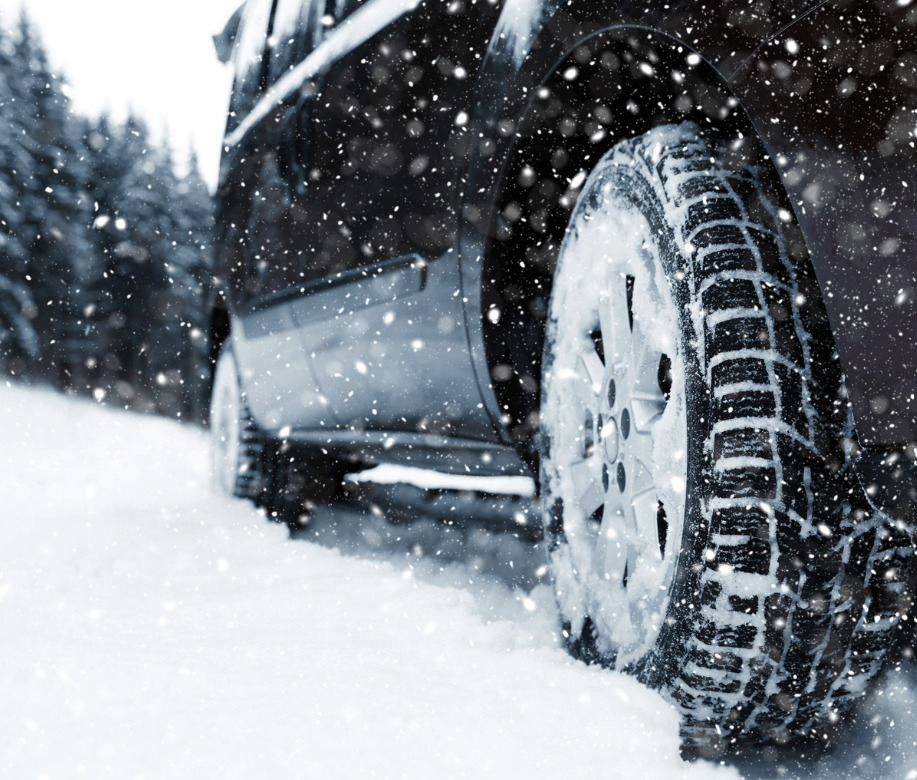
Traction laws exist for a reason. As explained in a FOX Weather article, these laws require chains or specialized tires during severe conditions like snow and ice. They are not optional guidelines but practical responses to situations where driver skill alone cannot maintain control. When road grip is reduced, vehicles behave differently, and even experienced drivers can struggle to respond effectively.
As traction drops, braking distance increases, steering becomes less predictable, and small corrections may no longer work as expected. That is why states enforce these rules with fines. They are designed to reduce the chances of vehicles losing control and to prevent conditions that could lead to larger incidents on the road.
Ignoring these safeguards does more than increase risk. It removes an important layer of protection that drivers depend on in difficult conditions. Once that layer is gone, control becomes uncertain, and even routine driving situations can quickly turn into something much harder to manage.
Many LA drivers have learned from their Long Beach car accident attorney how legal and safety standards intersect during unexpected road incidents. Understanding these nuances helps individuals navigate the complexities of liability and recovery after a collision occurs.
Loss of Traction Doesn’t Always Look Dramatic Until It Is
Loss of control rarely begins with something obvious. It often develops gradually as traction weakens under changing conditions that drivers may not fully notice. Weather patterns like strong winds or lake-effect snow can quickly make roads less predictable, especially during seasonal shifts.
A recent crash in Medina County, Ohio, involved a pickup truck that left the road, struck a guardrail, and overturned, resulting in a fatality. While the exact cause remains under investigation, weather conditions were considered a possible factor.
Around the same time, nearby areas, including Cleveland, experienced heavy lake-effect snow that reduced visibility and made it harder for drivers to maintain traction.
In situations like these, one issue can quickly lead to another. When a truck loses control or overturns, it doesn’t just affect that vehicle. It can create a chain reaction, damaging nearby cars and putting multiple drivers at risk. In such cases, a local auto accident attorney in Cleveland or Medina County can help clarify responsibility and next steps.
They can review reports, gather evidence, and identify how different factors contributed to the crash, Piscitelli Law Firm notes. They also help handle insurance claims and guide the process of resolving liability.
Small Decisions Around Traction Can Have Big Consequences
Sometimes, the difference between a routine trip and a serious incident comes down to a single decision. Conditions may seem manageable, and it’s easy to assume that skipping a precaution won’t make much difference in the moment. However, with large vehicles like trucks, even small choices can carry significant consequences.
An AOL report highlighted a case where a truck driver ignored chain control requirements while traveling through snowy conditions. The outcome wasn’t limited to a fine. The vehicle became stuck and required assistance, creating a hazard for other drivers on the road and increasing the risk of further incidents.
Situations like this show how quickly things can escalate once traction is compromised. What begins as a minor judgment call can lead to loss of control, blocked roadways, or even multi-vehicle collisions. Traction-related decisions often feel small, but in the context of heavy vehicles, they leave very little margin for recovery once something goes wrong.
FAQs
What is traction in a truck?
Truck traction refers to the grip between its tires and the road surface. It allows the driver to accelerate, steer, and brake effectively without slipping. Strong traction ensures better control, especially under changing weather or road conditions.
What to do when the road is slippery?
When the road is slippery, reduce speed and avoid sudden braking or sharp turns. Keep a safe distance from other vehicles and steer smoothly to maintain control. Using appropriate tires or chains can also improve grip in severe conditions, especially in snowy and windy ones.
How does weight affect traction?
Weight affects traction by increasing the force pressing tires onto the road surface. In trucks, properly distributed weight can improve grip and stability, especially in challenging conditions. However, uneven or insufficient weight can reduce traction and make the vehicle harder to control.
The bigger picture becomes clear when you look beyond the moment of impact. Truck traction isn’t just a technical detail; it’s the foundation of control on the road. As these incidents show, control can weaken quickly under the right conditions. Weight shifts, wind, road surfaces, and small decisions interact in ways most drivers don’t fully consider.
What makes trucks different is how little margin they have when traction fails. A slight loss of grip can trigger a chain reaction that’s difficult to stop. That’s why traction laws exist, and why experienced drivers pay close attention to changing conditions.