
Most students spend hours picking the perfect comforter for their dorm but never stop to think about how the space they study in should evolve as they do. Here’s a stage-by-stage guide to growing your study environment alongside your academic life.
Think back to the first time you walked into a college dorm room. Cinder block walls. A twin bed bolted to the floor. A desk that looked like it had survived three decades of all-nighters. It wasn’t much, but it was yours, and somehow, you made it work.
Now fast-forward a few years. You’re deeper into your academic journey, maybe pursuing a graduate degree entirely online, balancing coursework with real life. That same dorm setup wouldn’t just feel cramped, it would actively hold you back. Your study space is not a static thing. Like everything else in your life, it should grow with you.
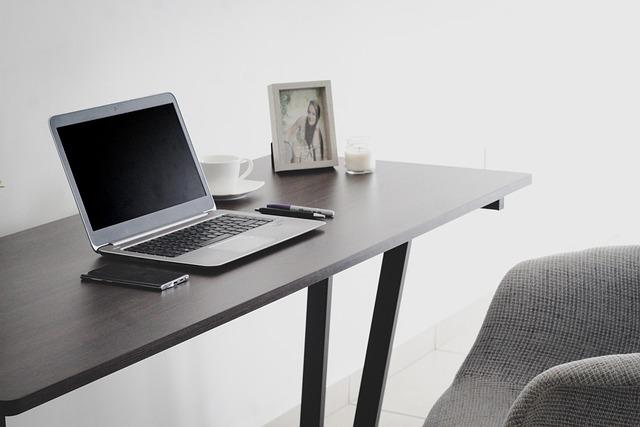
Here’s how to think about each stage.
Stage 1: The Freshman Dorm — Survival Mode Design
Your first college space is a lesson in constraints. You have roughly 120 square feet, furniture you didn’t choose, a roommate you may have just met, and about two suitcases worth of belongings to make it feel like home. The goal here isn’t perfection, it’s function.
The single most important thing you can do at this stage is protect the desk. It’s tempting to let it become a dumping ground for laundry, takeout bags, and chargers, but the desk is your engine. Keep it clear, keep it lit, and treat it as a dedicated work zone, even if it’s only 18 inches from your bed.
A small clip-on task lamp makes a bigger difference than you’d expect. Overhead dorm lighting is designed for visibility, not for hours of focused reading. Good task lighting reduces eye strain and signals to your brain that it’s time to work.
At this stage, multi-use furniture is your best friend. An ottoman that doubles as storage, a loft bed that opens up floor space underneath, a small shelf that sits on the desk rather than beside it, every square inch needs to earn its keep. The look doesn’t have to be sacrificed either. A cohesive set of bedding, a few framed prints instead of taped-up posters, and one or two plants can turn the most generic dorm room into a space that feels intentional.
The freshman dorm teaches you the fundamentals: what you actually need versus what you thought you needed, and how much a dedicated, tidy space can affect your ability to focus.
Stage 2: The Undergrad Apartment, Your First Real Say
Moving off campus is a turning point. For the first time, you have real control over your environment, the layout, the furniture, the lighting, even the paint color if your landlord is generous. This is when many students make the mistake of spending all their energy on the living room and treating the study area as an afterthought.
Don’t make that mistake.
Even if you don’t have a dedicated room for studying, you can carve out a corner that functions like one. A proper chair at the right height, a desk large enough to spread out, and shelves that keep your materials organized can transform a dining room nook into a legitimate workspace. Rugs are one of the most underrated tools here, they define zones in an open-plan space and signal, physically and psychologically, that this area means business.
It’s also worth buying furniture that can move with you. A solid wooden desk, a quality chair, and a good lamp are investments that will follow you into your next space, and your next, and the one after that. Cheap flat-pack pieces rarely survive a second move.
This stage is also where distractions become a real design problem. A roommate’s TV, a kitchen that’s always in view, friends who know you’re home; your space now has to do more work to help you focus. Simple interventions matter: headphones, a consistent seating position for study versus leisure, and keeping your desk clear of anything that isn’t related to the task at hand.
By the time you leave your undergrad apartment, you should have a clear sense of what your ideal study environment looks and feels like. That knowledge becomes essential in the next stage.
Stage 3: The Graduate Home Office — Where It Gets Serious
Graduate school changes everything about how you study, and for those pursuing their degree online, it changes something even more fundamental: your home becomes your campus.
This is the stage where your environment matters most. When there’s no library to retreat to, no campus building to change your scenery, no physical separation between school life and home life, the design of your space has to do all of that heavy lifting. A well-thought-out home office isn’t a luxury at this level, it’s part of how you do the work.
The first priority is separation. If you have a spare room, use it. A dedicated office with a door you can close is the closest thing to a commute that remote students have, the act of entering and leaving the space helps your brain switch modes. If a dedicated room isn’t possible, the principles from the undergrad apartment still apply: define the zone, protect the zone, and keep it consistent.
At the graduate level, your setup also has to be professional. Video calls are part of academic life now, seminars, group projects, meetings with advisors, and how your background looks matters. Good lighting and a clean, uncluttered space behind you go a long way. A decent USB microphone makes your contributions to discussions clearer and easier to follow.
It’s also worth tailoring your setup to your specific field of study. Online graduate students in health-related disciplines, like those enrolled in the GCU MSOT program, benefit from a calm, professional background for observed practice sessions and synchronous coursework, as well as a well-organized desk for managing the volume of reading and case material that graduate study in that field involves.
Storage becomes more important than ever at this stage. Graduate coursework generates a lot of material, textbooks, journals, printed readings, notes, and having a system to manage it keeps your physical space from overwhelming your mental space. Floating shelves, a filing cabinet, or even a set of labeled bins can make the difference between a space that helps you think and one that adds to the noise.
Ergonomics also earn their place in the conversation here. If you’re spending six to eight hours a day at your desk, your body will tell you about it. A chair that supports your lower back, a monitor at eye level, a keyboard positioned to keep your wrists neutral, these aren’t nice-to-haves when you’re in it for the long haul.
Stage 4: The Professional Home Office, Built to Last
By the time you’ve finished a graduate degree, you’ve done something most people never do: you’ve spent years refining exactly what you need to do focused, sustained, high-quality work from home. That’s a skill set in itself, and one that’s increasingly valuable in a world where remote and hybrid work is the norm.
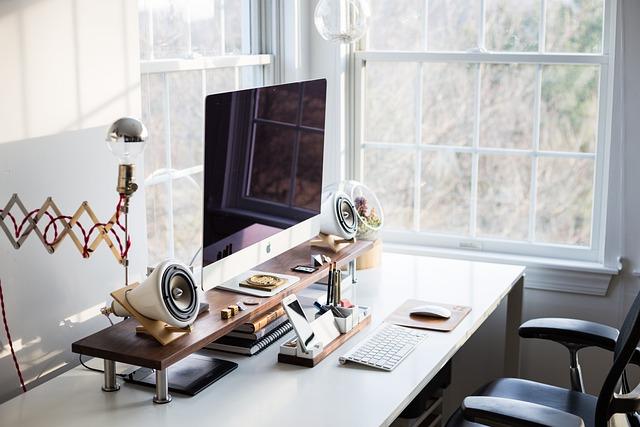
The professional home office is the natural evolution of everything that came before it. Now the investments can be more permanent, a standing desk, a proper monitor setup, art on the walls that you actually chose, lighting that adapts to different times of day. The space should feel like an extension of who you are professionally, not just a corner you’ve claimed.
It’s also worth thinking about the less obvious elements: soundproofing if you live in a noisy environment, blackout curtains if natural light creates glare problems, a separate phone charging station to keep devices out of arm’s reach during deep work sessions. The goal is an environment that removes friction rather than creating it.
Your Space Is Always a Work in Progress
The through-line in all of this is intentionality. The students who struggle most with their study environments are usually the ones who accept whatever they’re given, the generic dorm furniture, the awkward apartment layout, the dining table that doubles as a desk, without ever stopping to ask what would actually help them work better.
Each stage of academic life brings new demands and new opportunities to meet them. A dorm room requires clever small-space thinking. An apartment gives you your first real design choices. Graduate school, especially online, asks you to treat your home as an institution, one you design, manage, and take seriously. And a professional home office is the place where all of those lessons finally come together.
Start where you are. Work with what you have. And as you move through each stage, keep asking the same question: does this space help me do my best work? If the answer is no, you know what to do.
